Last updated November 22, 2026
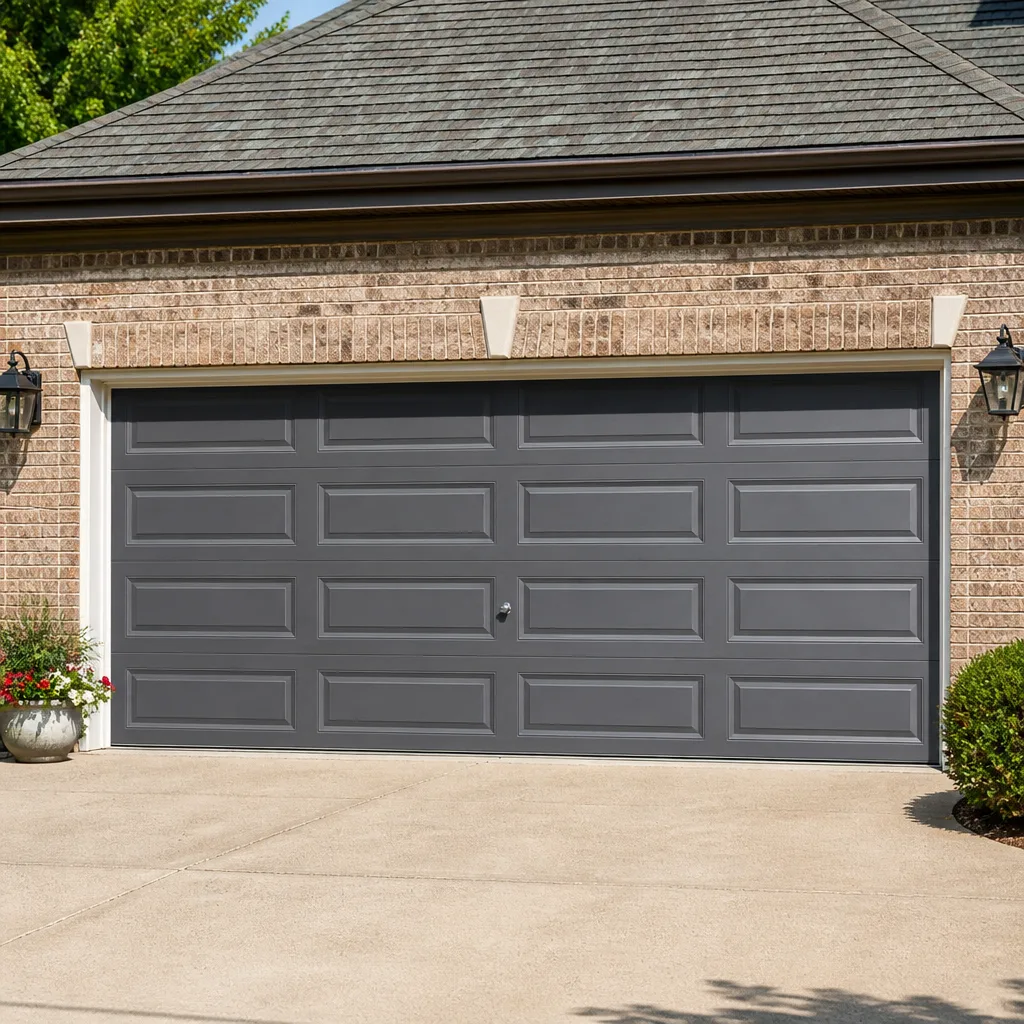 Raised-panel steel
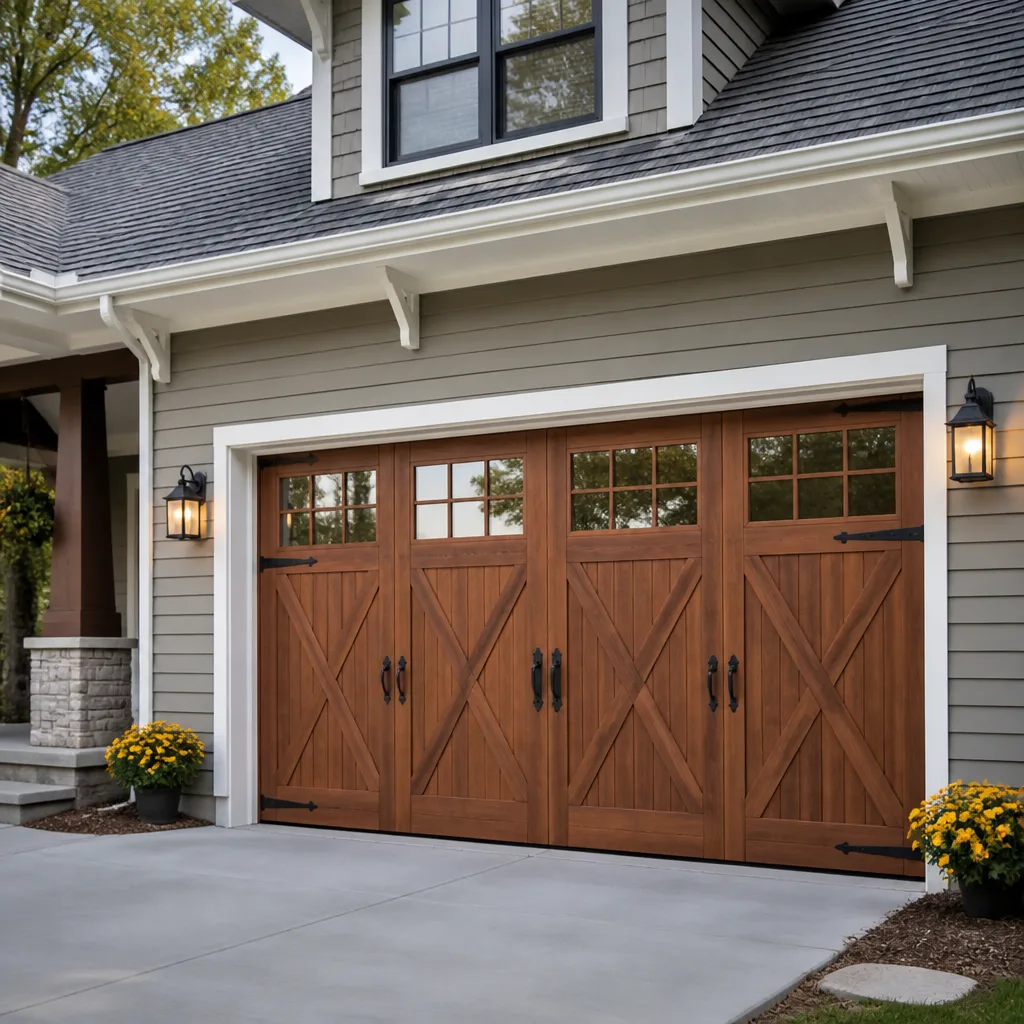 Carriage house
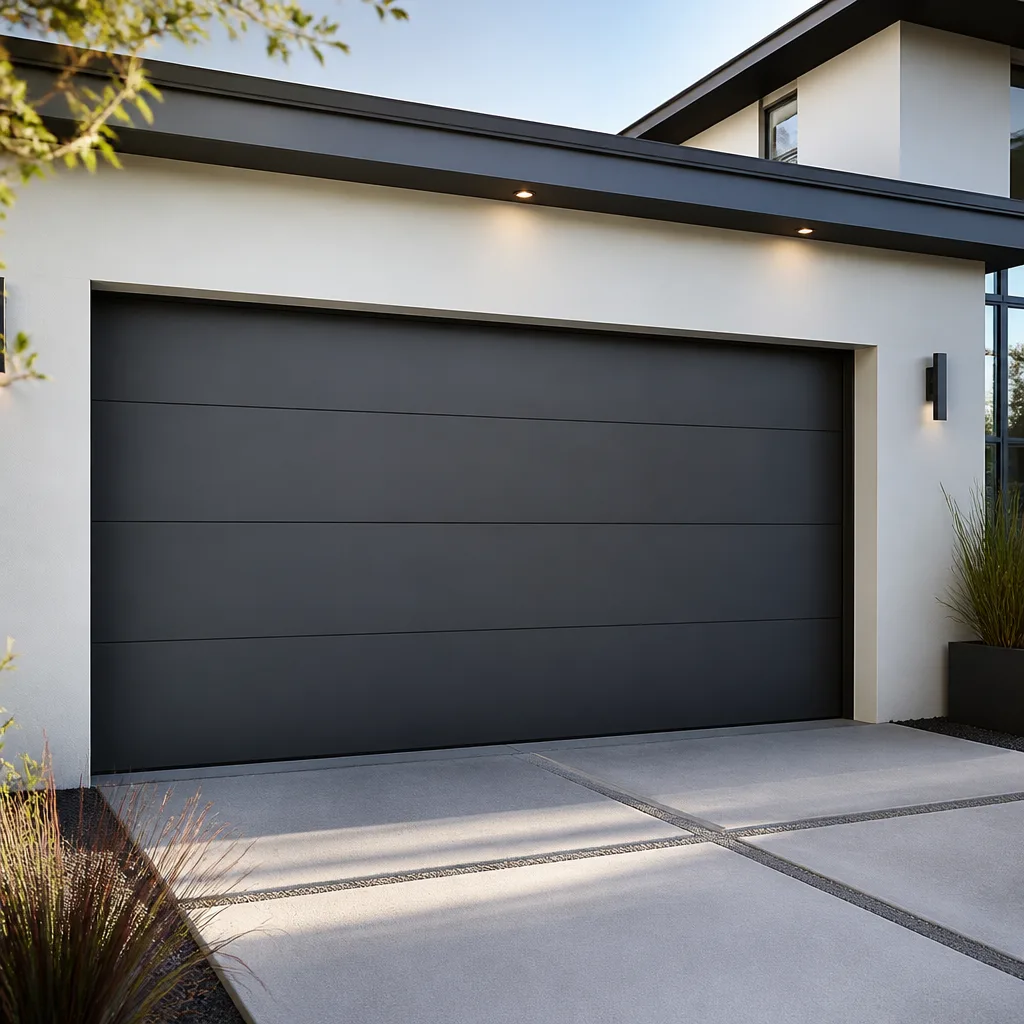 Modern flush
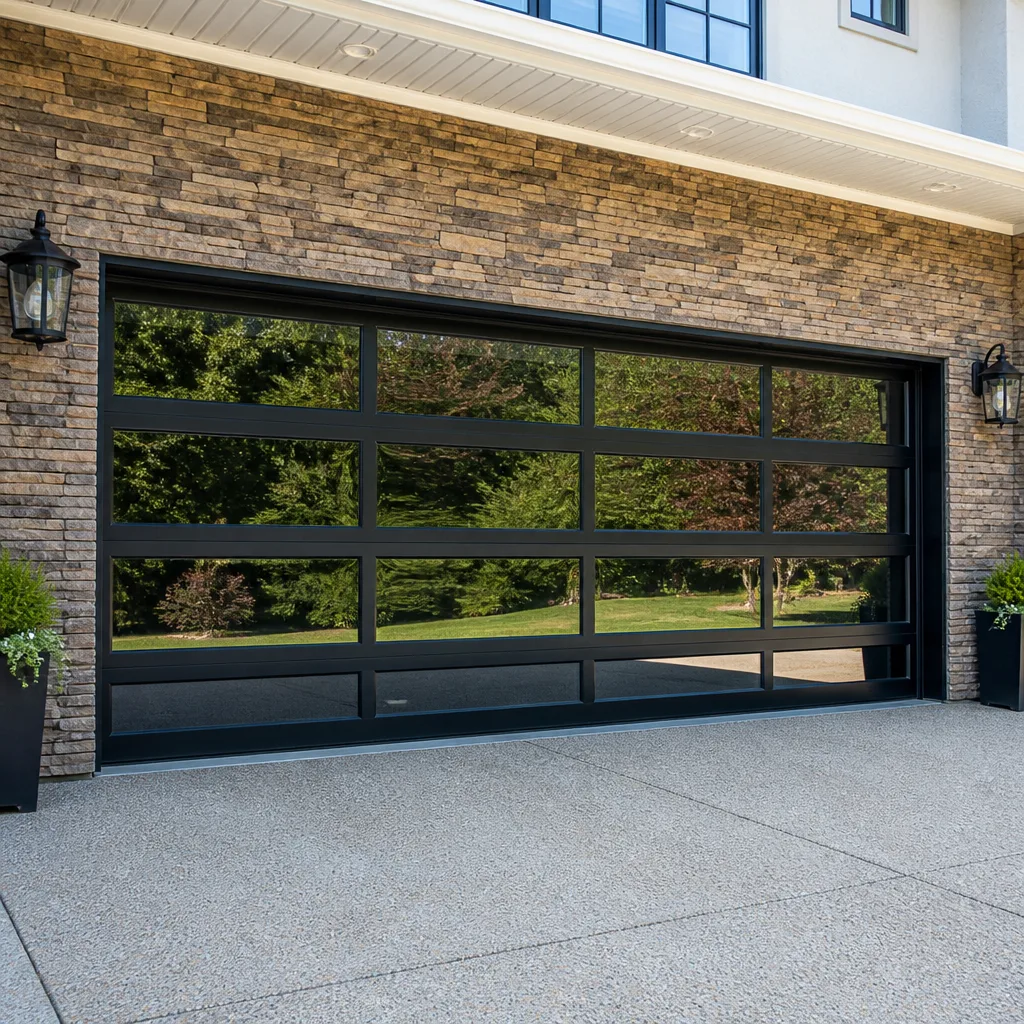 Full-view glass
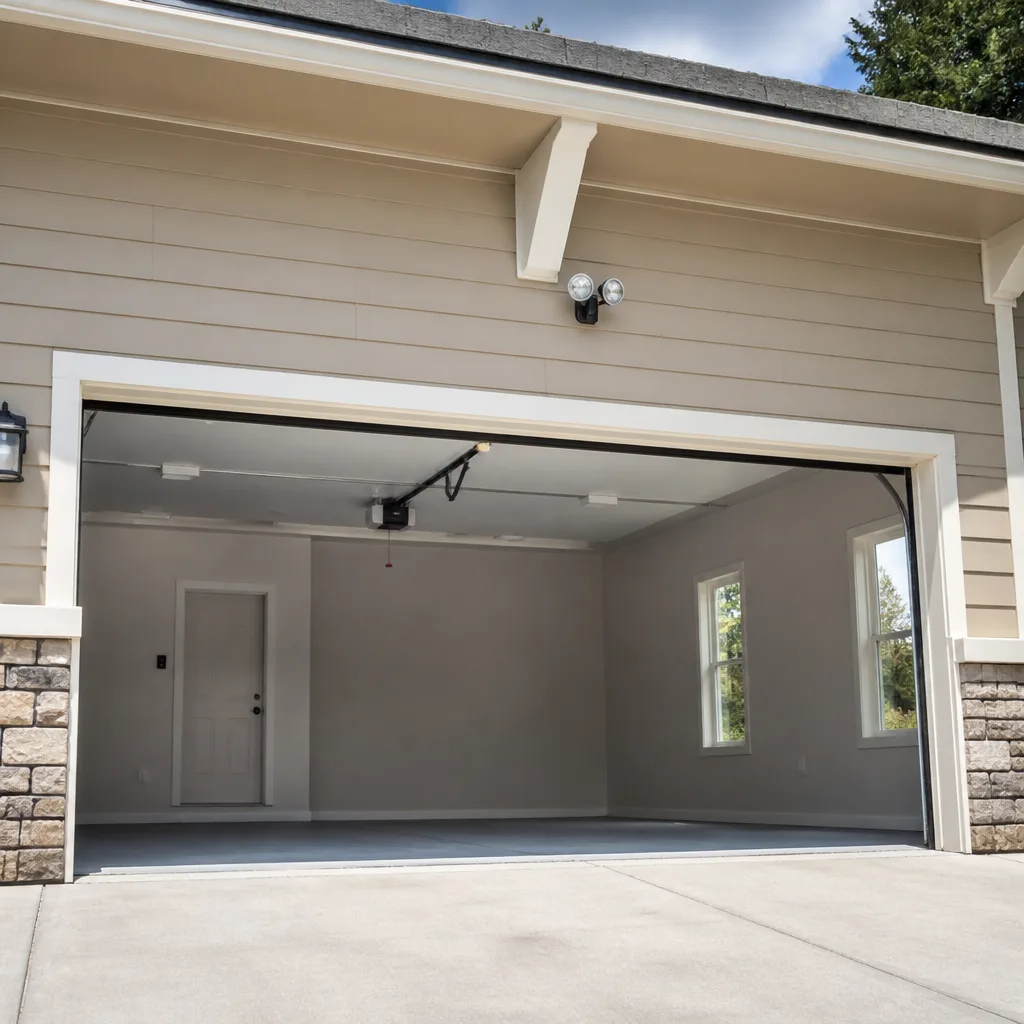 LiftMaster openers
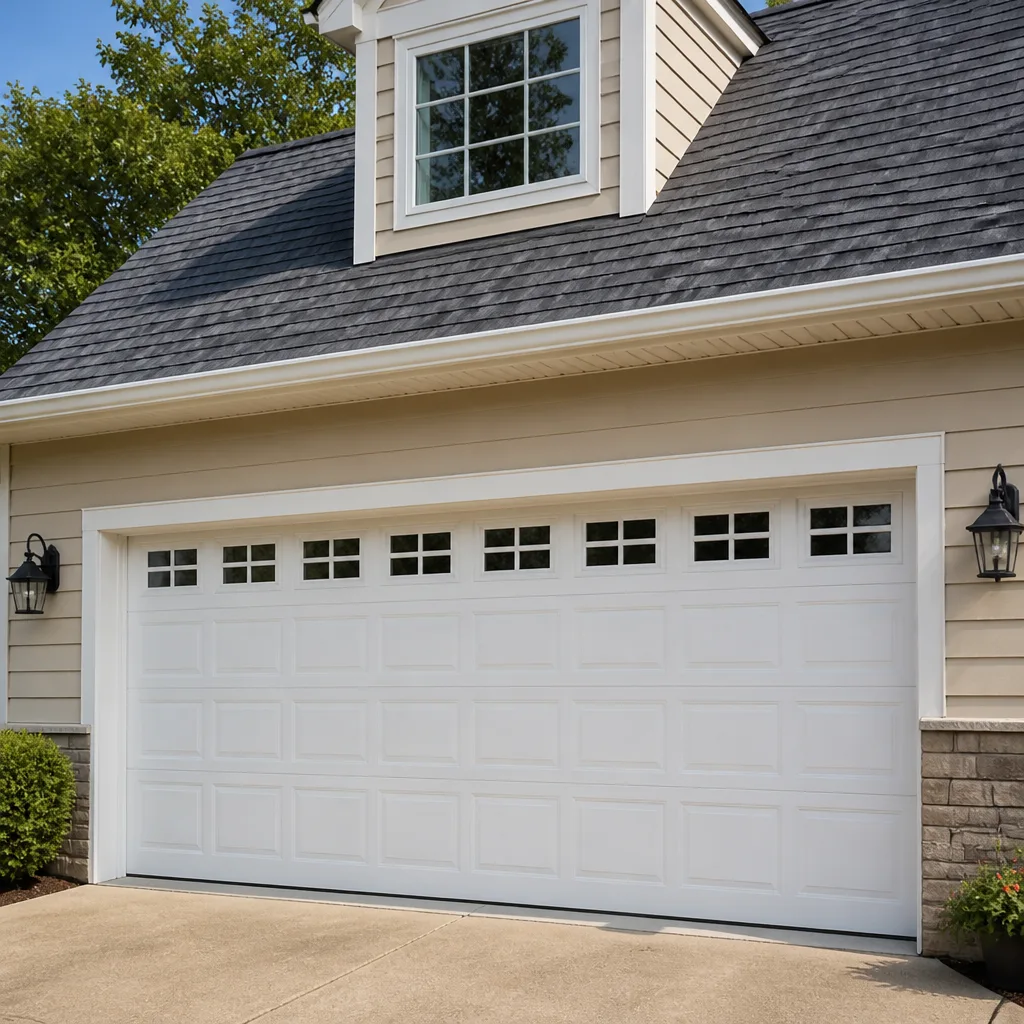 Chamberlain openers
Full 25-point door and opener safety check with every visit - springs, cables, rollers, tracks, and your LiftMaster or Chamberlain opener included
You get a price before we start. It does not change when the pro arrives.
Get your free estimateHow to Hire a Garage Door Contractor in Cutler Bay: A Step-by-Step Guide
Here’s the part most hiring guides skip: in Cutler Bay, a garage door isn’t just a door. It’s a building envelope component that has to meet wind-load requirements specific to this part of Florida, and the wrong contractor can install something that looks fine on the day of the job and creates a real liability later. A contractor who installs the wrong door in Cutler Bay – one without Miami-Dade Product Approval – leaves you with a liability, not an upgrade. It happens more than homeowners realize, and it’s completely avoidable if you ask the right questions upfront. This guide walks you through exactly what to ask, how to verify a Florida license in minutes, and what a legitimate written estimate should contain before you sign anything.
Quick Answer
To hire a garage door contractor in Cutler Bay, verify the contractor’s Florida license through the DBPR lookup tool, confirm they can produce a Miami-Dade Product Approval (NOA) number for the specific door model being installed, and insist on a written estimate that itemizes the permit, installation, documentation, and old-door disposal. A licensed general contractor is not the same as a garage door specialist – the distinction matters for code compliance and warranty coverage. Never sign until you’ve seen the NOA documentation in writing.
Styles & brands we work with
- Raised-panel steel
- Carriage house
- Modern flush
- Full-view glass
- LiftMaster openers
- Chamberlain openers
Table of Contents
- Why Cutler Bay Changes the Hiring Process
- The Miami-Dade Product Approval Question Every Homeowner Must Ask
- Why a General Contractor Is Not a Garage Door Specialist
- How to Verify a Florida Contractor License in Under Two Minutes
- Red Flags Unique to South Florida Garage Door Contractors
- What a Legitimate Written Estimate Must Include
- The Questions to Ask, Step by Step
- Common Mistakes to Avoid
Why Cutler Bay Changes the Hiring Process
Cutler Bay sits inside Miami-Dade County’s High-Velocity Hurricane Zone (HVHZ) requirements for building products, which is a detail that reshapes almost every decision in a garage door project. A door that’s perfectly fine in another state may not carry the approvals needed here. That means the hiring process isn’t just about craftsmanship – it’s about product documentation, permitting, and whether the contractor understands the difference.
In practice, that adds three steps to the standard hiring checklist:
- Product Approval verification – the door model must carry a Miami-Dade Notice of Acceptance (NOA) number before it’s installed.
- Permit management – the installation typically requires a permit pulled through Miami-Dade County, and the contractor should handle it, not hand it off to you.
- Post-storm documentation – if you ever need to file a claim, the NOA number and permit record are the paper trail that supports your position.
Homeowners in neighborhoods like Saga Bay, Old Cutler Bay, and the Lakes by the Bay area often discover this only after a storm has already happened, when an insurer asks for documentation that doesn’t exist. The vetting process here has to be harder than it would be almost anywhere else, because the consequences stretch far past the day of installation.
None of this means the process is complicated for the homeowner. It just means you’re asking a few specific questions that most hiring advice skips entirely. The rest of this guide walks through them one at a time, starting with the one that matters most.
The Miami-Dade Product Approval Question Every Homeowner Must Ask
The single most important question before signing anything in Cutler Bay: “Can you give me the Miami-Dade Product Approval (NOA) number for the specific door model you’re quoting me?” If the answer is vague, it’s a red flag. Every door that meets HVHZ requirements carries an approval number issued by Miami-Dade County, and it should be printed on your estimate or attached to the contract.
Here’s why this question is non-negotiable:
- Permit approval. Miami-Dade County’s building department requires the NOA for the specific door being installed. Without it, the permit doesn’t clear. You’re left with an unpermitted installation that can create complications when you sell the home.
- Insurance coordination. If you ever need to file a storm claim, the insurer will ask for documentation. An unapproved door can create friction in that conversation, and you’re the one left doing the paperwork.
- Warranty coverage. Manufacturer warranties on wind-rated doors assume the door was installed to spec in an approved application. An unapproved install can void that coverage.
Legitimate manufacturers and their authorized installers carry this documentation as standard practice. Clopay, Amarr, Wayne Dalton, and Raynor, for example, each publish Product Approval documentation for their HVHZ-rated models, and a specialist who installs these brands regularly will know how to pull the right NOA number for your specific model and size.
Ask for the number in writing, not verbally. A contractor who hesitates, deflects, or says “we’ll handle it after” isn’t demonstrating command of the local code – and that’s the exact behavior you need to catch before the door is on the wall.
Why a General Contractor Is Not a Garage Door Specialist
A licensed general contractor can legally pull a permit for a garage door installation. That doesn’t mean they should. The difference between a GC and a garage door specialist shows up in warranty support, brand-level familiarity, and how the work is documented – and in South Florida, all three of those matter for very practical reasons.
What separates the two:
- Brand-level familiarity. A specialist works on a defined set of door and opener systems every week. That means they know the quirks of a specific LiftMaster opener or the tension profile of a particular Raynor door, not just “doors in general.” A general contractor can’t offer that level of product-specific experience.
- Spring and opener safety. Spring replacement is the most dangerous repair on a residential garage door. Trained technicians handle that risk with proper tooling and technique. A general contractor who doesn’t do this work regularly may not have the same protocols. See our garage door spring repair page for details.
- Warranty and code compliance. Door manufacturers expect authorized installer networks to understand installation specs, torque values, and wind-load anchoring. A specialist keeps that knowledge current. A GC may be reading the manual for the first time.
- Single-source accountability. When the door, the opener, the spring, and the permit all come from the same specialist, there’s no finger-pointing if something goes wrong.
In Cutler Bay, where wind-load compliance and NOA documentation are part of every installation, the specialist approach matters even more. A general contractor who treats garage doors as a side job is more likely to overlook the documentation question entirely, and you’ll be the one chasing the paperwork years later.
This doesn’t mean every GC is a bad choice. It means the hiring questions are different when the work is garage-door-specific, and the responsibility for a failed install falls on you unless the contractor covered the details correctly.
How to Verify a Florida Contractor License in Under Two Minutes
You can verify any Florida-licensed contractor through the Florida Department of Business and Professional Regulation (DBPR) license lookup tool at myfloridalicense.com. The lookup takes about two minutes, and it’s the fastest way to confirm a contractor is legitimate before you hand over a deposit or sign a contract.
Here’s the step-by-step process:
- Go to the DBPR site. Navigate to myfloridalicense.com and locate the “Verify a License” tool.
- Enter the name or license number. You can search by the contractor’s business name or by the specific license number if the contractor provides it upfront.
- Confirm the license type. Garage door installation and repair in Florida requires the appropriate contractor license. Verify that the license matches the work being quoted.
- Check the status. An active license is the minimum. A license that’s suspended, expired, or in a different category than the work being done is a concern.
- Confirm insurance separately. DBPR shows license status, not insurance – ask the contractor for a current certificate of insurance. This is standard practice for any residential project in Cutler Bay.
When you work with us, the local professional we connect you to is licensed and insured as their state requires. But you should still verify independently – that’s the entire point of this step. A quick DBPR lookup takes less time than a phone call, and it prevents a much bigger conversation later.
One more thing: verify the license before you accept a quote. A contractor who won’t provide a license number upfront is showing you the answer already.
Red Flags Unique to South Florida Garage Door Contractors
Some red flags are universal – no written estimate, no references, pressure to sign immediately. South Florida adds a few specific tells, and they’re worth knowing before you get a quote. In our experience, these are the patterns that show up most often when a homeowner later calls asking for help fixing a bad install.
- No local supplier relationships. A legitimate garage door contractor in the Cutler Bay area works with established manufacturers and suppliers. Clopay, Amarr, Wayne Dalton, and Raynor doors don’t arrive from nowhere. If the contractor can’t explain where the product is coming from and how long delivery takes, something’s off.
- Vague answers on HVHZ compliance. If the contractor dodges the question, changes the subject, or says “we’ve done plenty of these around here” without producing the NOA documentation, that’s the clearest red flag on this list.
- Unusually fast quotes. A proper measurement and installation quote takes time: door sizes are confirmed, NOA documentation is pulled, permit requirements are confirmed. An estimate delivered in five minutes without a site visit or any product documentation isn’t a quote – it’s a placeholder.
- No explanation of old-door removal. A legitimate estimate itemizes disposal of the old door. If it’s not on the quote, you’ll be the one arranging haul-away after the install.
- No brand specificity. A specialist will name the brands they work on. Raynor, LiftMaster, Chamberlain, and Genie are common – if the contractor can’t name any specific products or describe how they differ, that’s a sign they’re generalizing.
Most of these red flags come down to one underlying issue: the contractor is treating your Cutler Bay installation like any other job in any other state. The documentation requirements here don’t work that way, and neither should the contractor.
What a Legitimate Written Estimate Must Include
A written estimate for a garage door installation in Cutler Bay should contain five things: the door model and NOA number, the permit line item, the installation labor, the opener (if included) with brand and model, and old-door disposal. If any of those five is missing, ask for it in writing before signing.
Here’s what the estimate should look like in detail:
- Door brand and model number. Specific enough that you could look it up independently. “Standard residential door” is not enough.
- Miami-Dade NOA number. Printed on the estimate itself. This is the document that proves the door meets HVHZ requirements.
- Permit line item. A separate, itemized charge showing the permit will be pulled through Miami-Dade County. If the quote is silent on permits, ask directly.
- Opener brand and model (if included). LiftMaster, Chamberlain, Genie, and Craftsman are common. The specific model matters because features vary significantly.
- Old-door removal and disposal. Labor and haul-away, itemized separately.
- Written pricing, not verbal. The quote is your reference in any dispute. If it isn’t written down, it doesn’t exist.
Pricing on a full residential garage door installation varies by door size, material, and whether an opener is included. Typical estimates for standard residential installations in the Cutler Bay area usually land somewhere around the low four-figure range depending on those factors – but the range is wide enough that you should get a written quote for your specific door and confirm it before work begins. The written estimate sets the final price. Nothing changes without your approval.
One more item to request: whether the estimate includes an on-site measurement. A proper quote for an installation should follow a measurement visit. A quote delivered by phone or email without one is provisional.
The Questions to Ask, Step by Step
Here’s the full sequence, in the order that works best. Ask these questions during the initial phone call or in-person visit, before any contract is signed.
- “Are you licensed in Florida, and can I have your license number?” Verify it on the DBPR site.
- “Can you provide the Miami-Dade Product Approval (NOA) number for this specific door model and size?” Get it in writing.
- “Will you pull the permit through Miami-Dade County, and is that itemized on the estimate?” The contractor should handle permits, not you.
- “What door brands do you work with?” The answer should name specific manufacturers. Clopay, Amarr, Wayne Dalton, and Raynor are typical for residential installs. LiftMaster, Chamberlain, Genie, and Craftsman come up for openers.
- “Is old-door removal and disposal included?” Get it on the written estimate.
- “Can you walk me through what happens if I need to file an insurance claim after a storm?” A contractor who understands HVHZ documentation will be able to answer this clearly.
- “What’s the process if the door needs service a year from now?” You want to know whether the contractor handles garage door repair after the install, or whether they’re install-only.
- “Can I see the written estimate with everything itemized before I sign?” Non-negotiable.
These questions take maybe ten minutes to ask. They catch almost every problem that could go wrong with a garage door installation in Cutler Bay. If any question gets deflected or answered vaguely, that’s your answer – move on.
How We Approach This Process
At Cutler Bay Garage Door Repair Pros, we built our single-service focus around exactly this moment: the homeowner who’s been burned before, or who’s never bought a garage door, and just wants straight answers. We’re a residential garage door specialist – not a general contractor, not a handyman service – and that focus shows up in how we handle documentation, brand knowledge, and permits.
A few things that distinguish our approach:
- 1
We work on your specific brand. Our technicians are familiar with eight major door and opener brands: LiftMaster, Chamberlain, Genie, Clopay, Amarr, Wayne Dalton, Craftsman, and Raynor. That means when we quote a Raynor or a Chamberlain system, we’re speaking from experience with that product line, not from a manual.
- 2
We treat spring repair as a specialty, not an upsell. Springs are the most dangerous repair on a residential door. Our technicians handle them as a core service, and we don’t recommend homeowners attempt them. See our garage door spring repair page for details.
- 3
We offer emergency garage door service. If your door won’t close and you can’t wait for a scheduled appointment, that’s a situation we respond to. If you need garage door opener repair because the door won’t reverse or the remote has stopped responding, we can help there too.
- 4
Free estimates with written documentation. Every quote we provide itemizes the work, including the NOA number for the door you’re purchasing. No verbal-only promises, no skipped steps.
Our technicians have up to 14 years of experience, and the pace of brand changes in this industry means that experience is actively maintained. When a LiftMaster myQ opener had a firmware update last quarter, our techs kept up. When a Clopay door spec changed, we knew before we quoted it.
If you’re scheduling an install, you’ll get a measure, a written quote, and a permit timeline – no surprise invoices, no surprises at the door delivery. If your door has already failed, our emergency offering is available to get you moved and secured fast. Our team gives free estimates in Cutler Bay, and we can talk through the specific brand and code requirements for your installation. Reach us at (877) 492-2550 to start the conversation.
See the difference
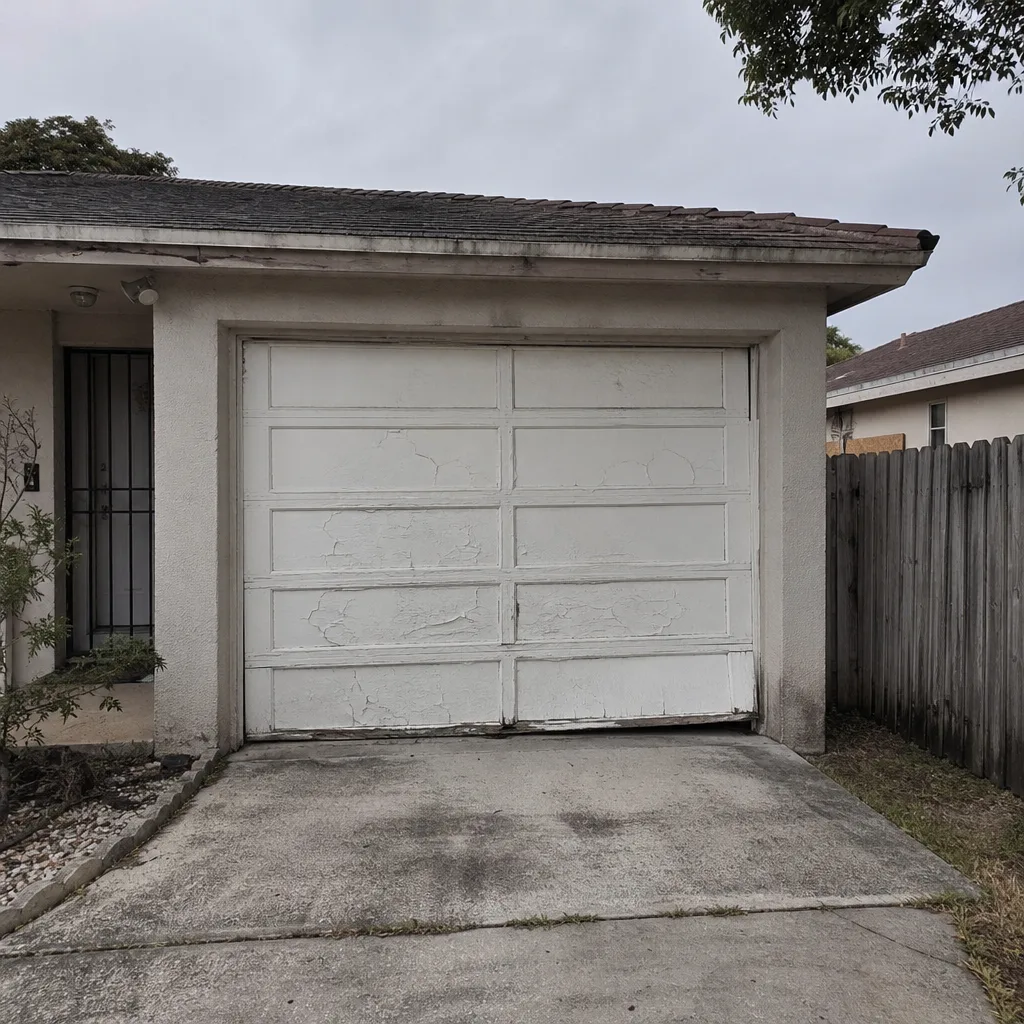 Before
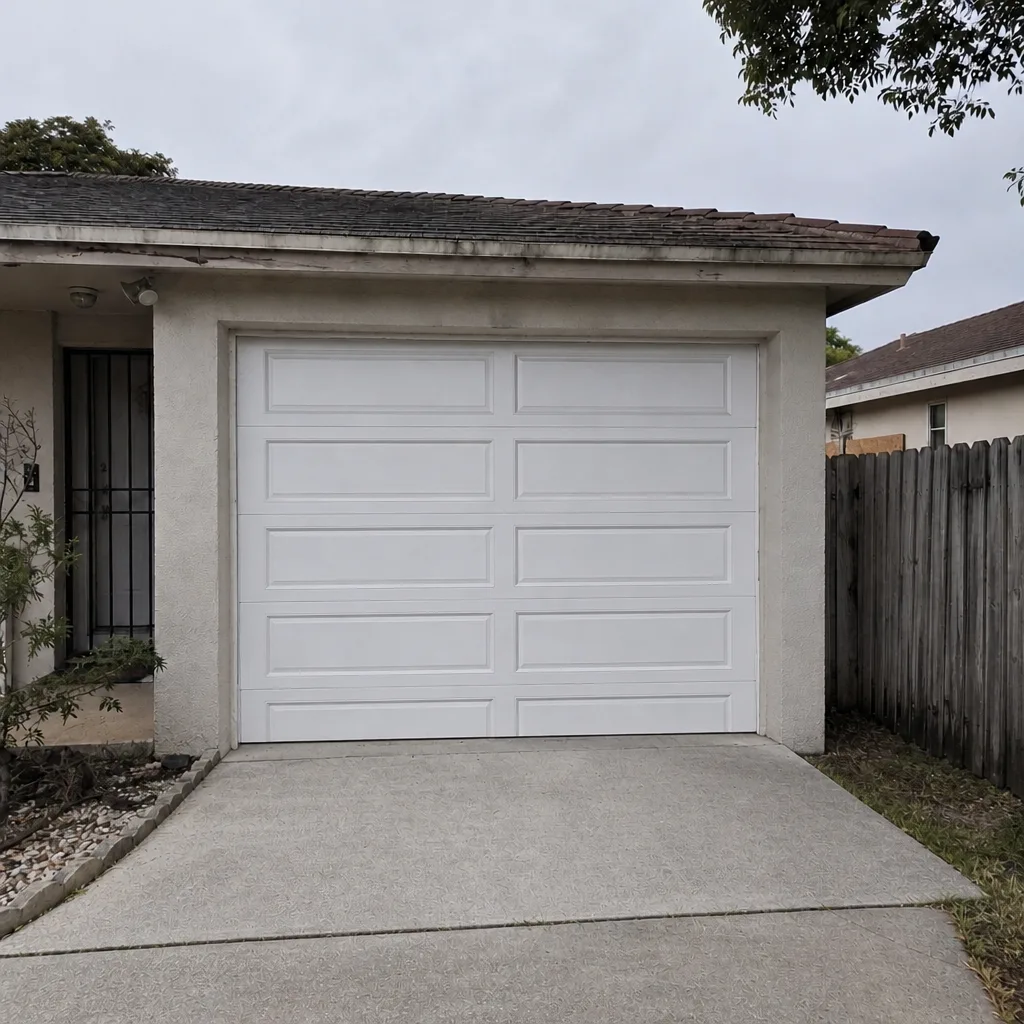 After
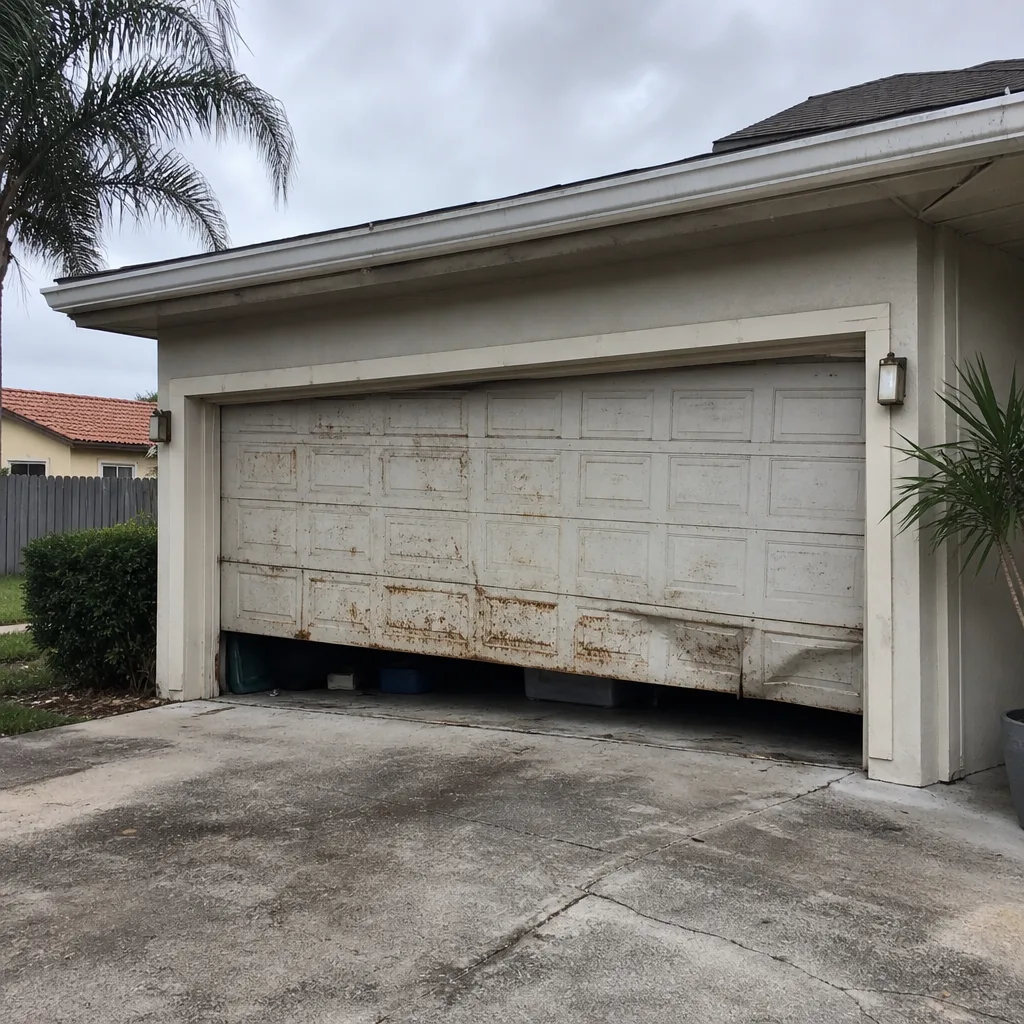 Before
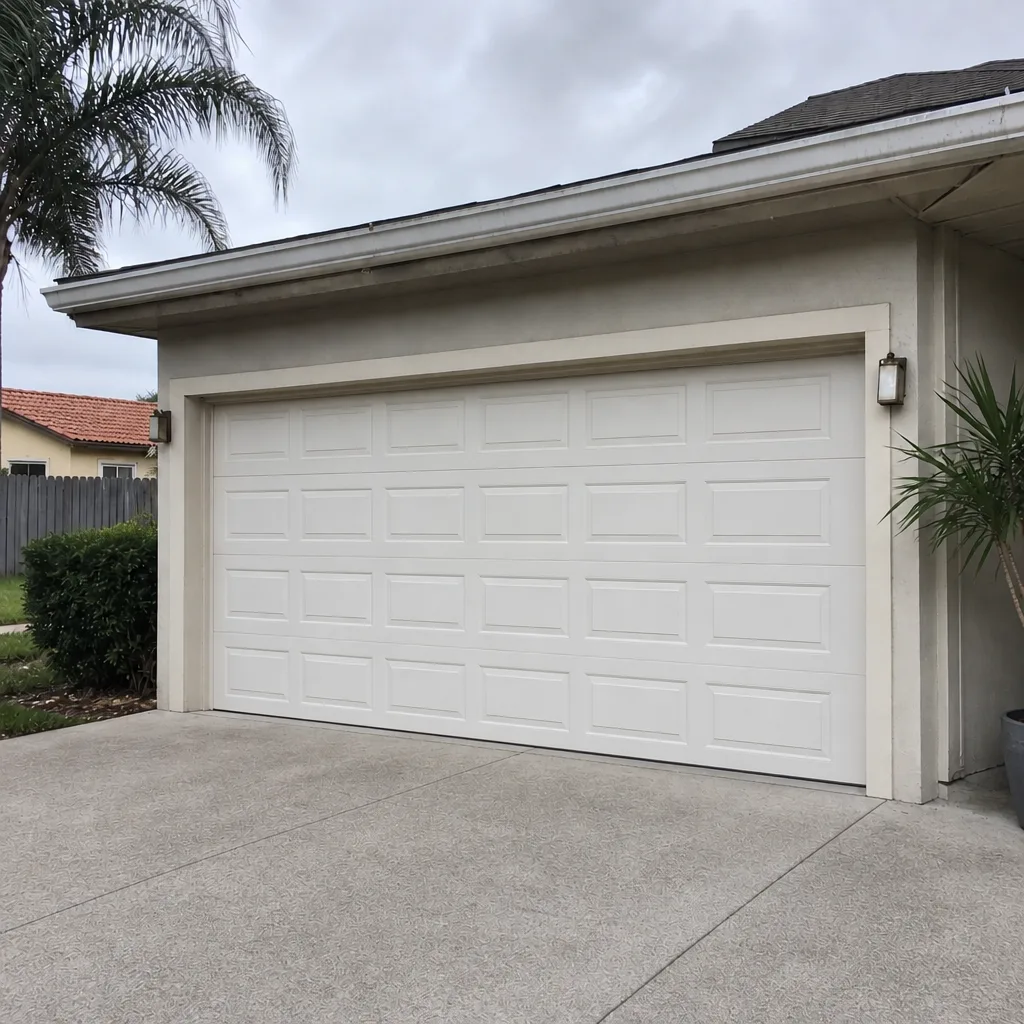 After
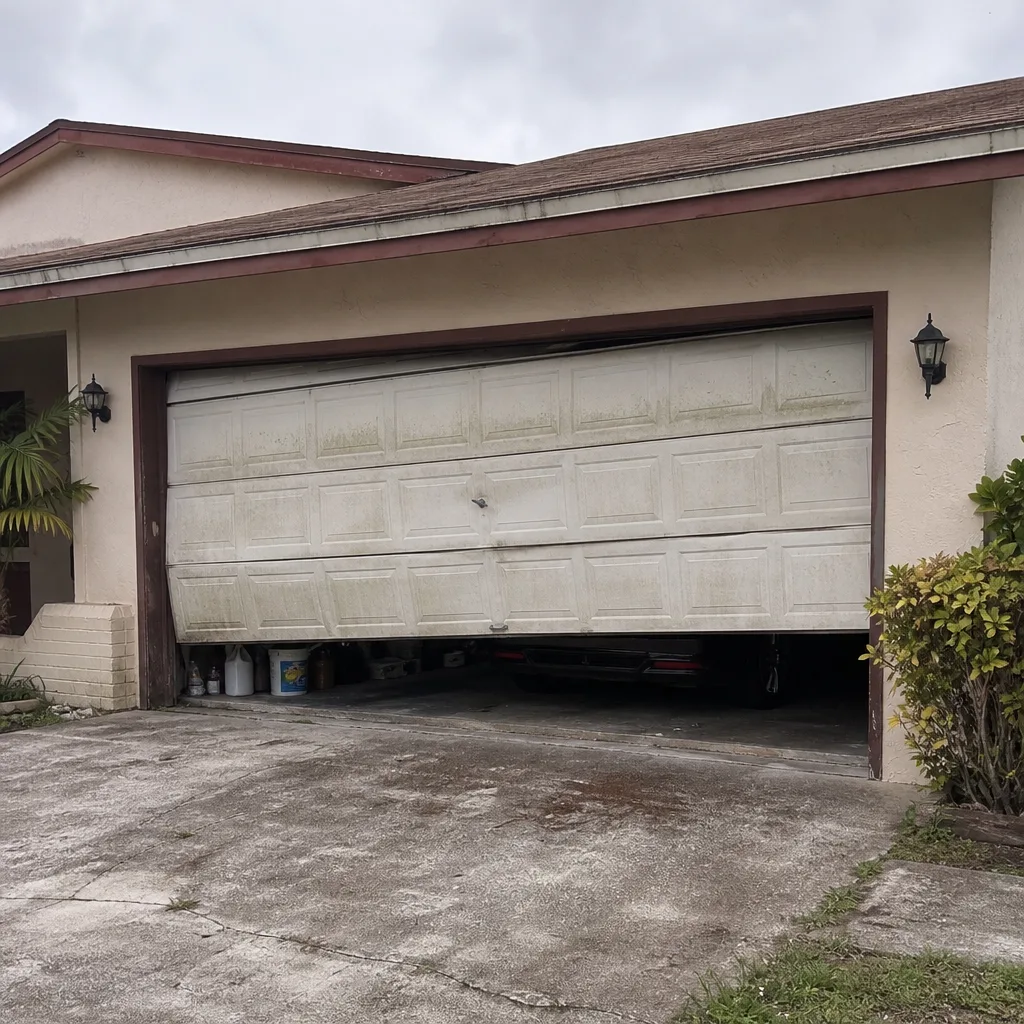 Before
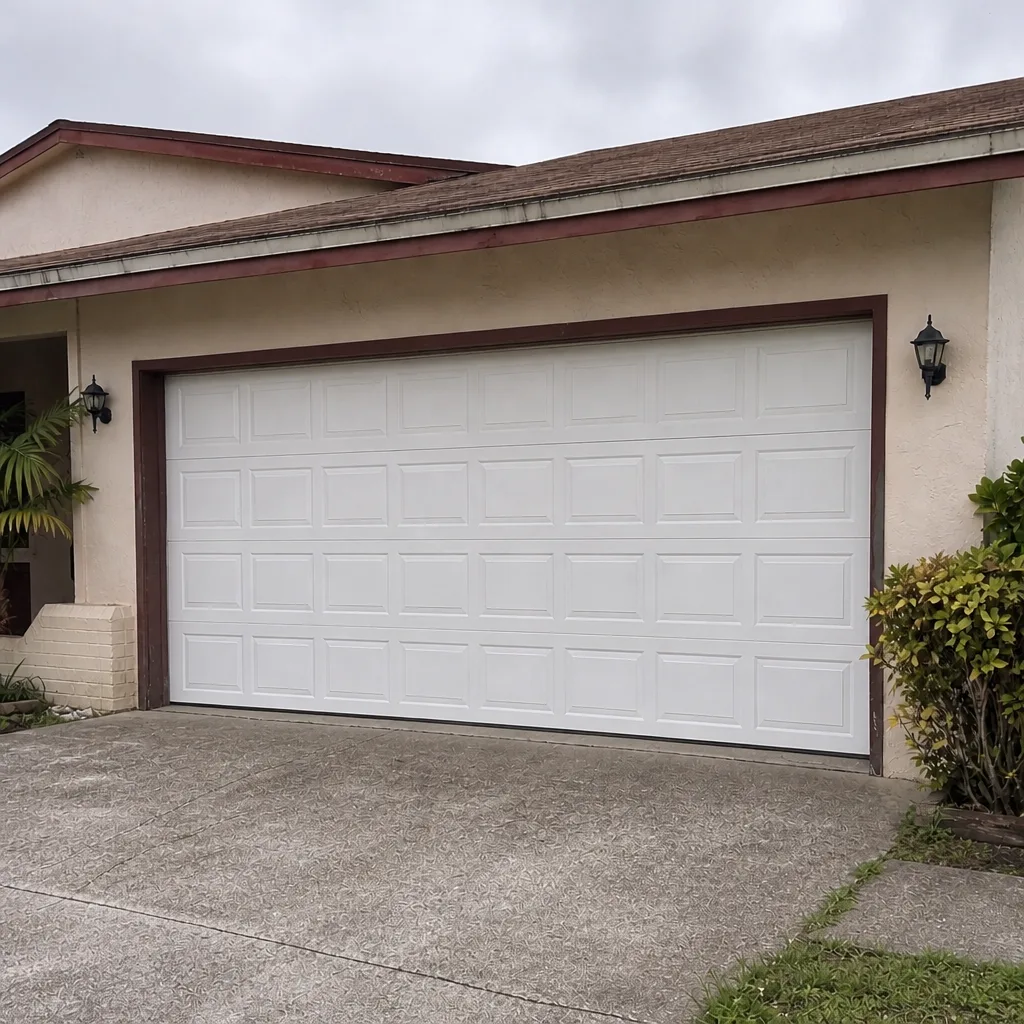 After
Common Mistakes to Avoid
- Hiring on price alone. A quote that’s substantially lower than the others is usually missing something – often the NOA documentation, the permit, or the old-door disposal. Ask what’s not included before you assume the price is a bargain.
- Not asking for the NOA number in writing. The number exists, it’s on county records, and any legitimate contractor should be able to produce it in writing within minutes. If you don’t have it in hand when you sign, you’re taking on the liability yourself.
- Hiring a general contractor who “does garage doors sometimes.” A GC can pull the permit, but they usually don’t carry the brand-level knowledge that a garage door specialist does. For a Cutler Bay installation, that knowledge is what keeps you compliant.
- Signing before verifying the license. A quick DBPR lookup takes two minutes. Signing first and verifying later is the harder version of the same task.
- Assuming the permit is included. Most Cutler Bay garage door installations require a permit through Miami-Dade County. If the estimate doesn’t have a permit line item, ask directly whether the contractor is pulling it.
- Not knowing which brands the contractor services. If the contractor can’t name which brands they work with, they probably don’t work with any brand regularly. A specialist will name them quickly.
- Leaving old-door disposal off the quote. If it’s not itemized, you’ll be arranging disposal yourself – which usually costs more than adding it to the original estimate.
When to Call a Professional
Some garage door issues are simple: a misaligned track, a remote that needs re-pairing, a sensor that’s been bumped and needs realignment. Those can wait for a scheduled visit. But a broken spring, a door that won’t close fully, a snapped cable, or a door that’s come off its track entirely need a trained technician, and they need one promptly. Spring failure in particular is dangerous – a tensioned spring carries serious stored energy, and handling it without proper tools and training is the cause of most serious garage door injuries.
If your door is stuck open and your home is exposed, that’s an emergency, not a convenience problem. Cutler Bay Garage Door Repair Pros offers free estimates in Cutler Bay – call (877) 492-2550. We’ll walk you through what’s needed and get a technician scheduled. For ongoing service, see our garage door repair service page. For a complete look at what we handle, visit Cutler Bay Garage Door Repair Pros.
Frequently Asked Questions
A full residential garage door installation in Cutler Bay typically runs in the low four-figure range for a standard single door, higher for double doors or premium materials like steel-backed or wood-grain finishes. The final price depends on door size, material, opener inclusion, and permit fees. The written estimate sets the price, so get it itemized before you sign. Call (877) 492-2550 for a free estimate.
Yes, most garage door installations in Cutler Bay require a permit through Miami-Dade County. The door must carry a Miami-Dade Product Approval (NOA) number, and the permit application typically requires that documentation. Any legitimate contractor should handle the permit pull as part of the installation, and the permit fee should be itemized on your estimate. Call us if you’re unsure whether your project needs a permit – we can help you sort it out.
NOA stands for Notice of Acceptance. It’s the Miami-Dade County product approval number that confirms a specific garage door model meets the wind-load requirements for the High-Velocity Hurricane Zone. Without an NOA number, the door doesn’t meet local code, the permit won’t clear, and you could end up with an unpermitted installation that creates complications later. Ask for the NOA number on your written estimate before signing. Call (877) 492-2550 to confirm the NOA for the door you’re considering.
Legally, yes – a licensed general contractor can pull a permit for garage door installation. But a general contractor isn’t a garage door specialist, and that difference matters for brand knowledge, warranty support, and code compliance. A specialist works on garage doors all day, knows the product lines in detail, and understands the specific documentation requirements for Cutler Bay. For a residential installation, a specialist is the better choice. Call (877) 492-2550 to speak with a garage door technician.
Use the Florida DBPR lookup tool at myfloridalicense.com. Enter the contractor’s business name or license number, confirm the license type matches the work being quoted, and check that the status is active. Ask for a certificate of insurance separately, since the DBPR site doesn’t display insurance. If the contractor won’t provide a license number upfront, that’s a reason to move on. Call (877) 492-2550 if you have questions about what to verify.
Call (877) 492-2550 and describe what’s happening. A broken spring, snapped cable, or door that’s come off its track needs a technician quickly, and we offer emergency service for situations that can’t wait. If your door is stuck open and your home is exposed, that’s the call to make first. The local pro arrives prepared to secure the door and explain the repair before any work begins.
We work with eight major brands: LiftMaster, Chamberlain, Genie, Clopay, Amarr, Wayne Dalton, Craftsman, and Raynor. That covers both the smart-home opener systems (LiftMaster myQ and Chamberlain) and the conventional systems (Genie, Craftsman), plus the major residential door manufacturers. If you’re unsure whether your door or opener brand is supported, call and ask. We’ll tell you directly.
The Bottom Line
Hiring a garage door contractor in Cutler Bay comes down to four steps: verify the license, confirm the NOA number in writing, insist on an itemized written estimate that includes the permit and disposal, and make sure you’re hiring a specialist rather than a general contractor. The documentation requirements in this part of Florida are specific, and they’re there for a reason – your safety, your insurance, and the value of your home. A garage door is the largest moving part on a house, and the installation on a Cutler Bay property carries requirements that most hiring guides don’t cover. The right questions take ten minutes to ask and save you the larger headache later. If you have questions or want a free estimate with the NOA documentation included, we’re here to help.
Cutler Bay Garage Door Repair Pros installs and services the major brands – LiftMaster, Chamberlain, Genie, Clopay, Amarr, Wayne Dalton, Craftsman, and Raynor – and offers dedicated emergency garage door service for situations that can’t wait. Our team provides free estimates in Cutler Bay, with written itemized quotes before any work begins. Whether you’re scheduling a new installation, an opener upgrade, or need garage door opener repair for a door that’s stopped responding, one call resolves the question. Reach us at (877) 492-2550 for a free estimate and a straight answer about what your project needs.
Written by the team at Cutler Bay Garage Door Repair Pros.