Last updated November 22, 2026
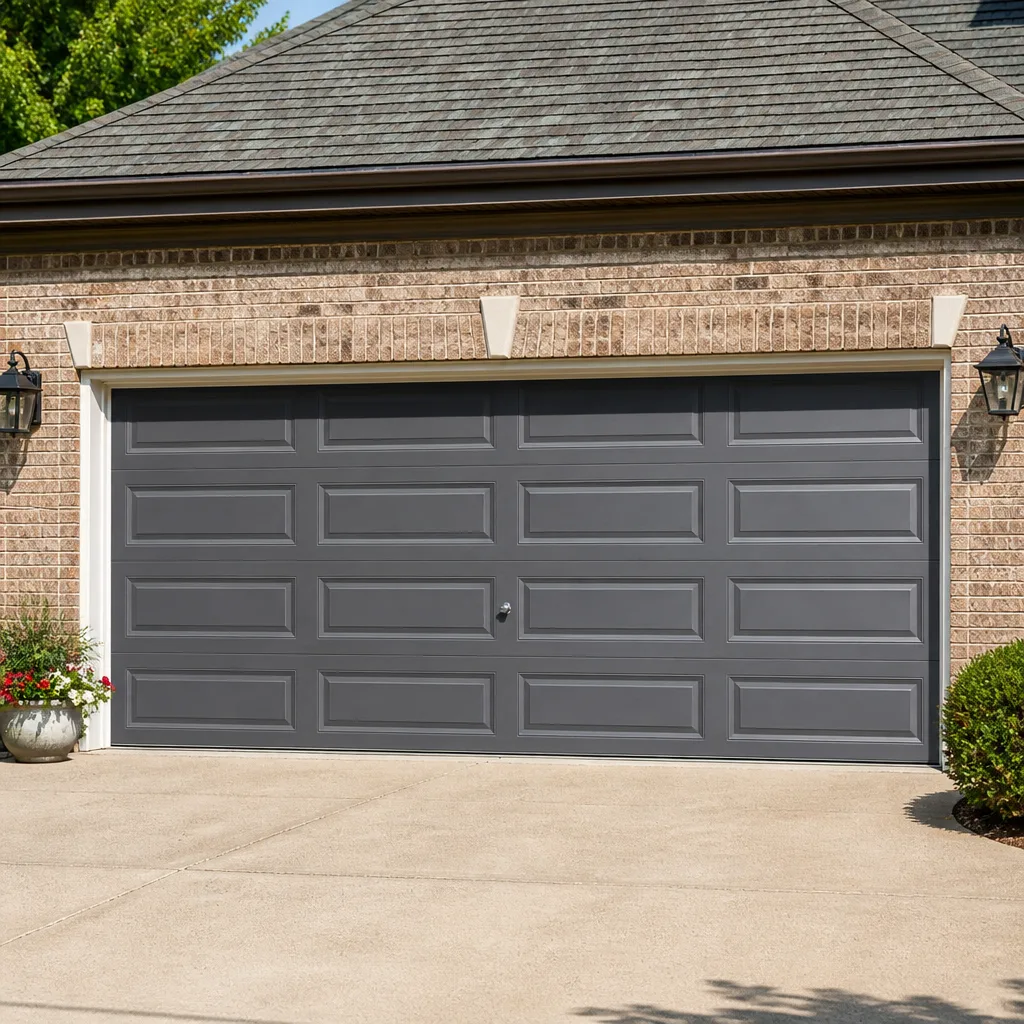 Raised-panel steel
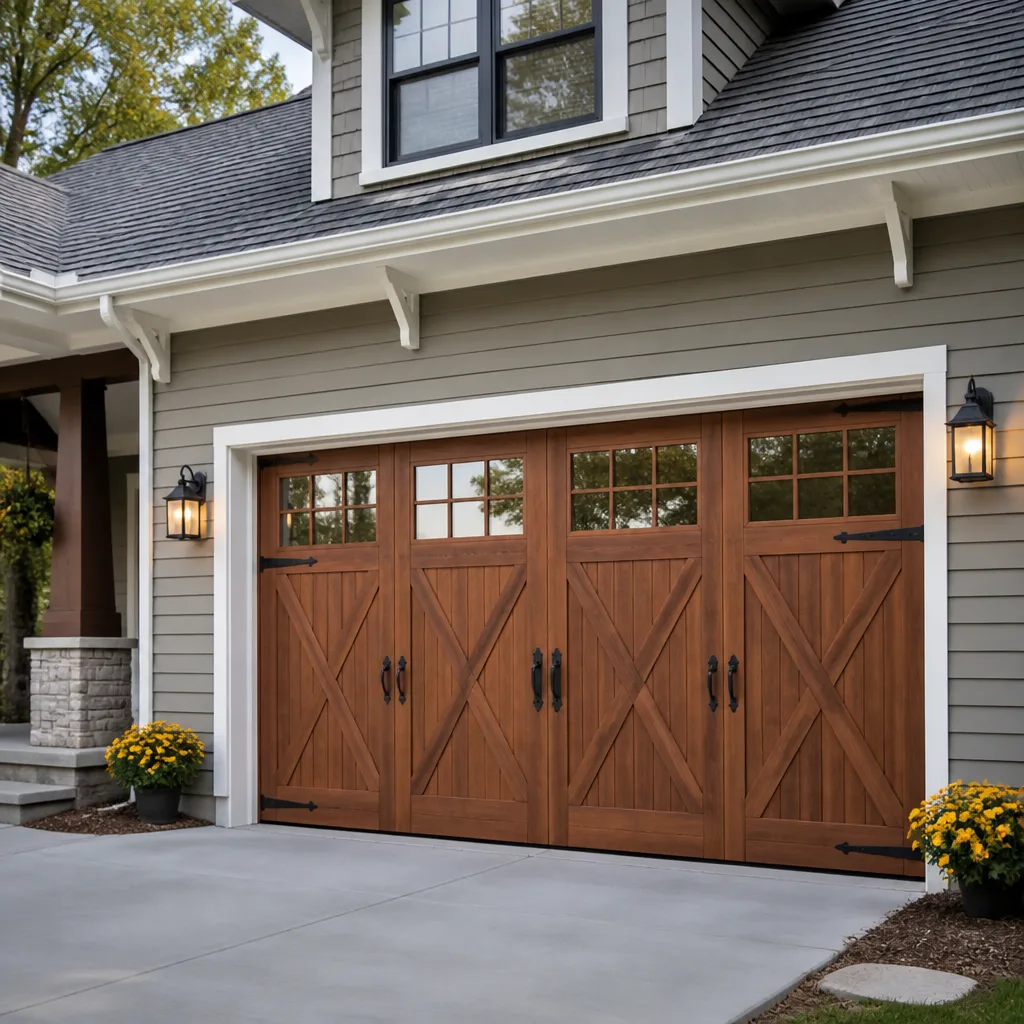 Carriage house
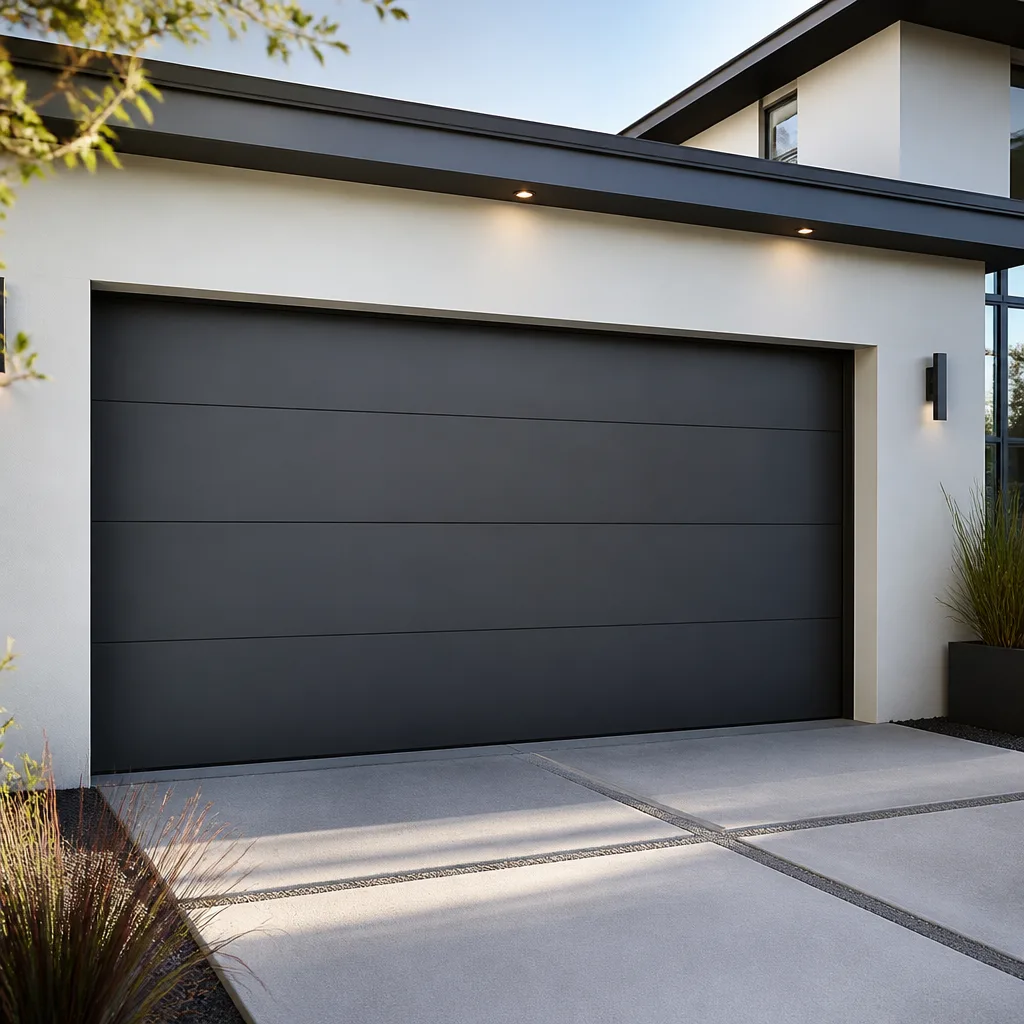 Modern flush
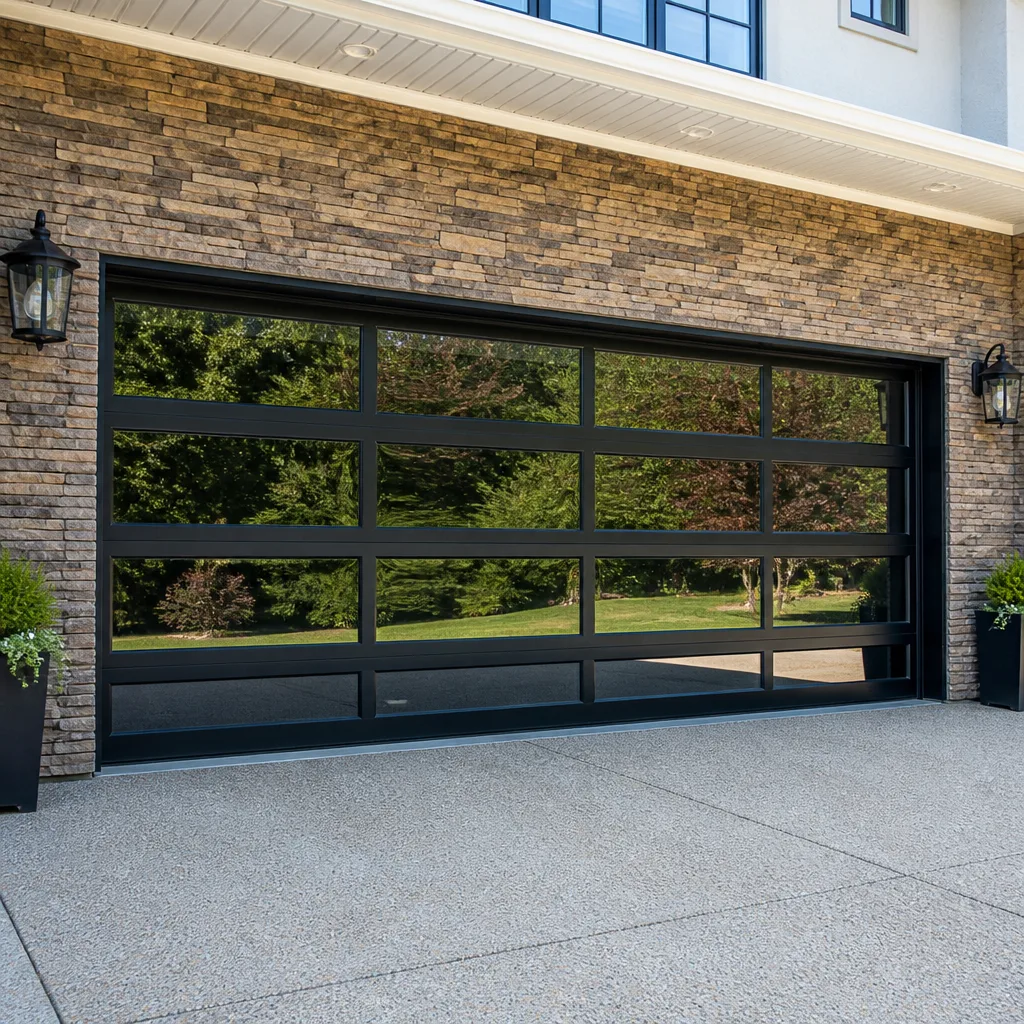 Full-view glass
 LiftMaster openers
 Chamberlain openers
Full 25-point door and opener safety check with every visit - springs, cables, rollers, tracks, and your LiftMaster or Chamberlain opener included
You get a price before we start. It does not change when the pro arrives.
Get your free estimateSeasonal Garage Door Care for Cutler Bay: Year-Round Homeowner’s Guide
Most garage door advice you’ll find online was written for a climate with four real seasons. It warns about frozen hinges, snow load on the panels, and ice creeping into the tracks. In Cutler Bay, none of that applies. What we actually get is a long hot summer, an intense wet season, and a drier, cooler stretch in the winter months. That means the calendar that matters for your garage door looks very different from the generic one. This guide breaks the year into the seasons Cutler Bay actually has, explains what happens to springs, seals, tracks, and openers in each one, and gives you a concrete schedule you can follow. You’ll learn when to prep for hurricane season, what to check after a storm, and which maintenance jobs are best handled in the quieter dry months.
Quick Answer
Garage door care in Cutler Bay splits into three practical seasons: a pre-hurricane prep window in April and May, an active storm-monitoring period from June through November, and a dry-season maintenance window from December through March. The dry months are the best time to schedule spring replacement, panel repair, and opener upgrades because the weather is calmer and the work is less disruptive. Year-round, the two things that matter most are keeping the door balanced and keeping the bottom seal intact against rain, humidity, and debris.
Styles & brands we work with
- Raised-panel steel
- Carriage house
- Modern flush
- Full-view glass
- LiftMaster openers
- Chamberlain openers
Table of Contents
- Why Cutler Bay Garage Doors Age Differently
- Pre-Season Checklist: April and May
- Active Season Protocol: June through November
- Post-Storm Inspection: Before You Press the Button
- Dry Season: The Maintenance Window
- How Cutler Bay Temperature Swings Affect Your Springs
- Opener Care Through the Year
- What Makes a Cutler Bay Garage Door Different
Why Cutler Bay Garage Doors Age Differently
A garage door is your home’s largest moving part, and in Cutler Bay it works harder than most homeowners realize. The heat and humidity do more damage to seals, lubricant, and painted finishes across a single summer than a full year of cold weather would. Combine that with the storm season and you get a machine that’s being asked to perform under real stress for months at a time.
The single biggest difference is moisture. South Florida’s humidity means the bottom seal and the weatherstripping around the perimeter are constantly fighting damp air. When those seals degrade, water finds its way to the bottom panel, which is the first thing to rust or warp. Tracks that aren’t kept clean and dry can develop buildup that makes the door drag. And the lubricant you apply to hinges, rollers, and the opener’s chain or screw gets washed thinner by heat and dust far faster than in a dry climate.
Sun exposure matters too. A south- or west-facing garage door in Cutler Bay takes direct heat for hours every afternoon, which fades paint, dries out rubber, and stresses the panels themselves. Doors under a covered drive or shaded by trees age more slowly and differently, so the maintenance schedule isn’t identical from one home to the next. If you’ve ever noticed your neighbor’s identical door holding up better than yours, sun and shade are often the reason.
None of this means garage doors in Cutler Bay are fragile. It means they need to be checked on a rhythm that matches the local climate. A little attention in the right months goes a long way toward avoiding a door that won’t close in July or a spring that gives out in the middle of storm season.
Pre-Season Checklist: April and May
June 1 marks the official start of hurricane season, and the calm weeks before it are the best time to make sure your door is ready. We’ve seen too many homeowners wait until a storm watch is posted to think about their garage. That’s the wrong order. The prep work you do in April and May is what protects your home when a storm finally approaches.
Here’s the pre-season checklist we walk through with Cutler Bay homeowners:
- Inspect the wind struts. Wind struts are the horizontal reinforcement bars mounted on the inside of the door. Look for bent or loose struts, missing fasteners, and any strut that has pulled away from the panel. They’re a structural component, not decoration, and a loose strut does little to reinforce the door.
- Check the bottom seal. Run your hand along the bottom seal and look for cracks, gaps, or sections that have pulled loose from the retainers. A seal that no longer contacts the floor lets water and wind-driven rain underneath. Replacing a worn bottom seal is inexpensive and one of the highest-value things you can do before the wet season.
- Test the manual disconnect. Pull the red release cord to disengage the opener and lift the door by hand. It should move smoothly and stay put when you let go about halfway up. If it slams down or won’t stay in place, the springs or balance are off and need attention before the season starts.
- Verify your door’s wind rating. If your door was installed to meet local wind-load requirements, confirm the label or documentation is still legible. If you’re not sure what your door is rated for, your city’s building department is the place to ask. In many South Florida homes the doors, mounts, and hardware were engineered together to meet code at the time of installation.
- Clear the tracks and tighten hardware. Brush out debris, tighten any loose bolts on the hinges and brackets, and check that the door travels evenly without wobbling.
The goal of the pre-season checklist isn’t to turn you into a technician. It’s to catch the small problems while the weather is still calm and the fix is simple. If any of these steps turns up something that needs a repair, it’s far easier to schedule that work in May than to call during a storm watch in August. Our garage door repair service handles all of these fixes, and a free estimate in the spring gives you time to make a decision without pressure.
Active Season Protocol: June through November
During hurricane season, your garage door becomes a critical part of your home’s storm readiness. It’s also one of the biggest openings in the envelope of the house. Knowing what to do at each level of storm advisory keeps you from making a rushed decision when things get tense.
When a Storm Watch Is Issued
A watch means conditions are possible within the next couple of days. This is your window to act calmly. Move anything that could become a projectile away from the garage and driveway. Test the opener and the manual release so you know the door cycles smoothly before any wind arrives. If you have a backup power option for your opener, confirm it’s charged or installed. Clean out the tracks. Make sure nothing is stored leaning against the door.
When a Storm Warning Is Issued
A warning means conditions are expected soon. Now is the time to secure, not to repair. If you have a door brace or shutter system for the garage, install it per its instructions. Bring the car inside if you have room and it’s safe to do so. Keep the door closed and latched. Don’t attempt to fix a door, adjust a spring, or troubleshoot an opener during a warning; wind and flying debris make it dangerous to be working near a large moving panel.
During the Storm
Stay away from the garage door. Even a strong door is under real load, and gusts against a wide panel can produce movement you don’t want to be near. Keep your family and pets inside and out of the garage until the storm has clearly passed.
After the storm, the safest approach is a deliberate visual inspection before you touch the opener. We cover that sequence next, and it’s the step most homeowners skip. When the door won’t move and you need help fast, our emergency garage door service is built for exactly that situation.
Post-Storm Inspection: Before You Press the Button
After a hurricane or tropical storm passes, the first instinct is to press the opener and see if the door still works. Resist that. The safe sequence is to look before you push. The door may have shifted, absorbed an impact, or taken on debris that makes a power cycle risky.
Follow this order before you run the opener after a storm:
- Do a visual walk-around from the outside. Look for dents, bent panels, missing hardware, and anything lodged in or against the door. Check that the door is sitting evenly in the opening and not visibly crooked.
- Look inside at the tracks and springs. Tracks that are bent or pulled away from the wall are a problem. Springs, cables, and brackets should look intact. If a cable is dangling or a spring looks distorted, stop. Springs and cables are under extreme tension and can cause serious injury; a trained technician should handle them, never a homeowner.
- Clear the path. Remove any debris from the tracks, the driveway, and the area around the door. A small object in the track can cause the door to bind or come off its rollers.
- Test by hand first. With the opener disengaged, lift the door manually. It should move smoothly and stay up. If it feels heavy, binds, or drops, keep the opener disengaged and call for service.
- Power the opener only if everything checks out. Once the door moves cleanly by hand and the tracks are straight, re-engage the opener and cycle the door once while you watch it. If anything looks or sounds wrong, stop and call a professional.
The reason this sequence matters in Cutler Bay is that storm damage isn’t always obvious. A door can look fine from the street and still have a bent track or a weakened spring that will fail the first time it’s powered. When something’s wrong and you’d rather not guess, our garage door spring repair specialists can inspect and tell you what’s actually going on.
Dry Season: The Maintenance Window
From December through March, Cutler Bay calms down. The humidity eases, storms are rare, and the weather is comfortable enough that you can leave the garage open for a while without the house overheating. That makes the dry season the ideal window for the maintenance jobs you’ve been putting off, and it’s the best time to schedule anything that takes more than a quick visit.
These are the jobs that fit best in the dry months:
- Spring replacement. Torsion and extension springs wear out with cycles over time, and the cool, dry months are a good time to replace them without the stress of doing it mid-season. A worn spring shows up as rough operation, a door that feels heavy, or visible gaps and distortion.
- Panel and hardware repair. Dents, bent sections, and loose hardware are easier to address when the door isn’t being called on to handle storm conditions. A panel repair in January leaves you ready for June.
- Opener upgrades. This is the season most homeowners choose to move to a newer, more capable unit. If you’re considering a smart opener, the dry months give you time to pick the right model and have it installed without rushing.
- Painting and finish work. Colder, drier air is friendlier to paint and sealant, and the finish you put on in the dry season helps the door withstand the summer that follows.
- Full door replacement. A new door installation is a measured, ordered, and scheduled project. The dry season gives you room to pick a style, order the door, and have it installed properly. Our garage door installation work covers doors from Clopay, Amarr, Wayne Dalton, and Raynor, so you have real choices in materials and styles.
These jobs don’t have to happen the same month every year, but the dry season is the smartest window to plan them. Doing the heavy maintenance when the weather is calm keeps the work less disruptive and gives you a buffer before the next storm season.
How Cutler Bay Temperature Swings Affect Your Springs
Springs are the parts that store the energy to lift your door, and they respond to temperature. When the metal warms up, it expands slightly; when it cools, it contracts. Over a year that cycling adds up, and it’s why your door can sound and feel different in July than it does in January.
In the summer, a garage that sits in direct afternoon sun can get very warm, especially with the door closed. Springs under that heat can behave a little differently than they do on a cool night. You might notice the door opening slightly slower or faster, or the opener working a bit harder. Most of the time this is normal. The trouble comes when a spring has already lost some of its strength and the temperature swing pushes it over the edge.
The practical takeaway is to notice changes. If your door suddenly feels heavier, opens unevenly, or makes a new sound in hot weather, that’s worth a look. Don’t ignore a change just because it seems tied to the season. A quick inspection can catch a weakening spring before it fails, and spring repair is the most hazardous garage door repair there is. Leave that work to a trained technician.
If you’re not sure whether your springs need recalibrating or replacing, the dry season is a good time to have them checked. A technician can tell you how much life is left and whether a replacement should be scheduled. When the door finally stops moving, our garage door opener repair team can respond, but catching the problem early is always the easier path.
Opener Care Through the Year
Your opener is doing quiet work behind the scenes every day, and it benefits from seasonal attention just like the door itself. A simple routine keeps it reliable through the hot months and the storm season.
- Test the safety reverse. Place an object on the floor in the door’s path and close the door. It should reverse on contact. Do this once a month.
- Lubricate the moving parts. Apply a proper lubricant to the chain, screw, or belt as your opener’s manual directs. Dry, hot air and dust wear these down faster than most people expect.
- Check the balance monthly. Disengage the opener and lift the door by hand. If it doesn’t stay up, the door is out of balance and needs service.
- Test backup power before storm season. If your opener has a battery backup, confirm it’s working before June. A dead battery is one of the most common surprises during a power outage.
- Keep the opener housing clean and dry. Humidity gets into garages, and keeping the unit clear of dust and moisture extends its life.
When it’s time to repair or replace an opener, brand knowledge matters. The techs we work with are familiar with LiftMaster and Chamberlain smart openers and with legacy units from Genie and Craftsman, so they can service what you already have or help you decide whether an upgrade makes sense. When you’re ready to move to a connected opener, Cutler Bay Garage Door Repair Pros can walk you through the options.
What Makes a Cutler Bay Garage Door Different
Every town has its own housing character, and Cutler Bay is no exception. Drive through neighborhoods like Old Cutler Bay, Lakes by the Bay, or Saga Bay and you’ll see a real mix of homes, from older properties with original hardware to newer builds with modern doors and smart openers. That variety means the maintenance advice has to fit the door you actually have.
Older doors tend to have more wear on the springs, hinges, and rollers, and they may be running on legacy openers. Newer doors often come with wind-rated construction and connected openers, but that doesn’t make them maintenance-free. They still need the same seasonal attention, just with different details. A door that’s rated for wind doesn’t automatically stay safe through years of sun and humidity; the seal, the hardware, and the balance all need checking.
The width of the door matters too. Wide single and double doors carry more stress on their springs and operators than narrow ones. If you have a wide door, the spring and opener checks on the pre-season list are even more important.
There’s also the practical side of living in Cutler Bay. Many homes use the garage as the main entry, which means the door cycles far more than on a home where the garage is just storage. More cycles mean more wear on springs and more load on the opener. A door that runs four or five times a day needs the seasonal schedule, not an occasional look.
If you’re not sure what your door was built to handle, or whether your current setup is ready for the season, a professional inspection is the fastest way to get a straight answer. We connect Cutler Bay homeowners with technicians who have up to 14 years of experience and know exactly how these doors behave in this climate. For anything more than a visual check, our spring repair and repair services are the right first call.
Common Mistakes to Avoid
- Waiting until a storm watch to check the door. By then it’s too late to order parts, schedule a repair, or fix a seal. The April and May window exists so you can act before the pressure hits. Do the checklist while the weather is still calm.
- Ignoring a worn bottom seal. In Cutler Bay’s humidity, a broken seal lets damp air and rain into the bottom panel, where rust and warping start first. Replace it in the dry season rather than after you see damage.
- Trying to adjust or replace springs yourself. Springs and cables are under extreme tension, and mishandling them can cause serious injury. This is the one garage door job a homeowner should always leave to a trained technician.
- Pressing the opener right after a storm. Running the opener before you’ve inspected the door by hand can turn a small bend into a costly failure. Do the walk-around first, every time.
- Assuming a wind-rated door is maintenance-free. The rating covers the door at installation, not the seal, hardware, or springs after years of heat and use. Rated doors still need the same seasonal care.
- Postponing opener upgrades until the unit dies. Replacing an aging opener during the dry season is planned work. Replacing it mid-season or in a storm watch is an emergency. Plan the upgrade.
- Overlooking brand-specific behavior. A LiftMaster or Chamberlain smart opener and a Genie or Craftsman legacy unit have different quirks and adjustments. If a door isn’t behaving, the right answer starts with knowing the brand.
See the difference
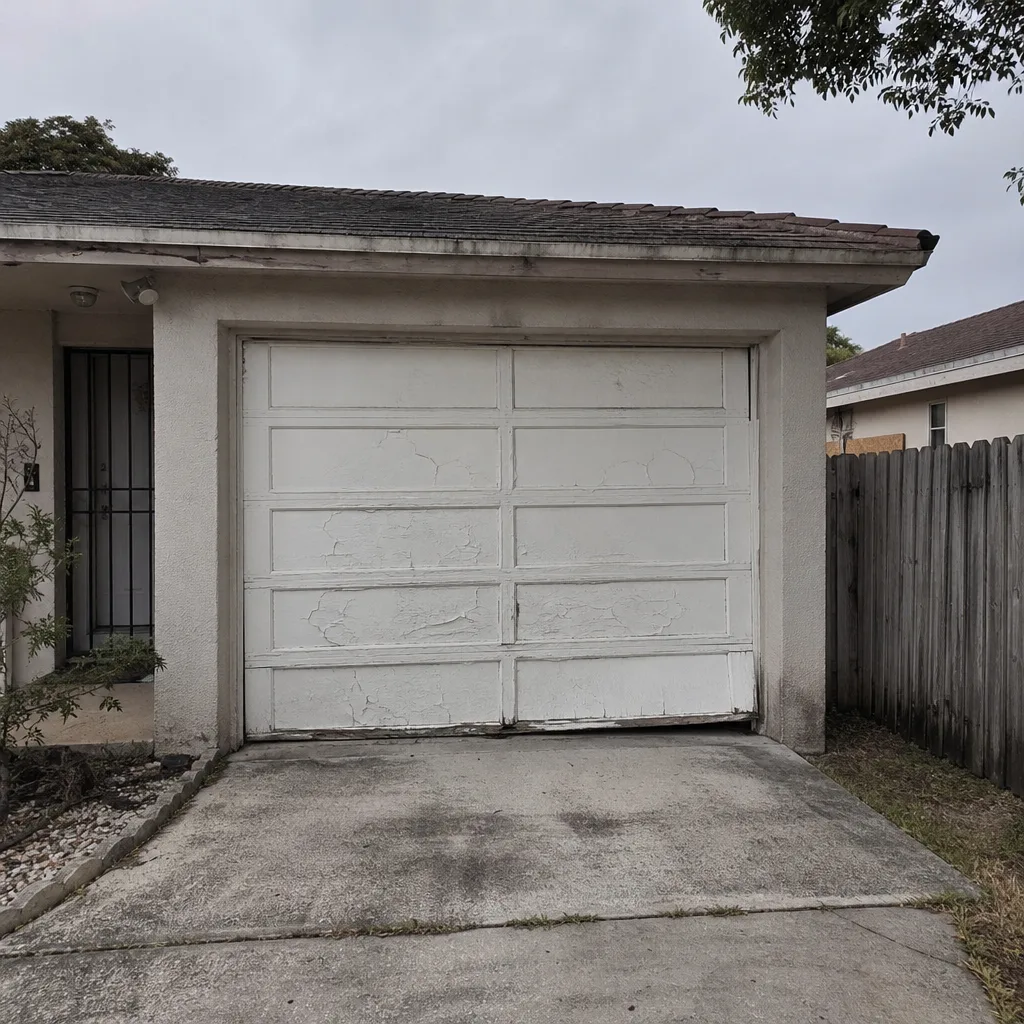 Before
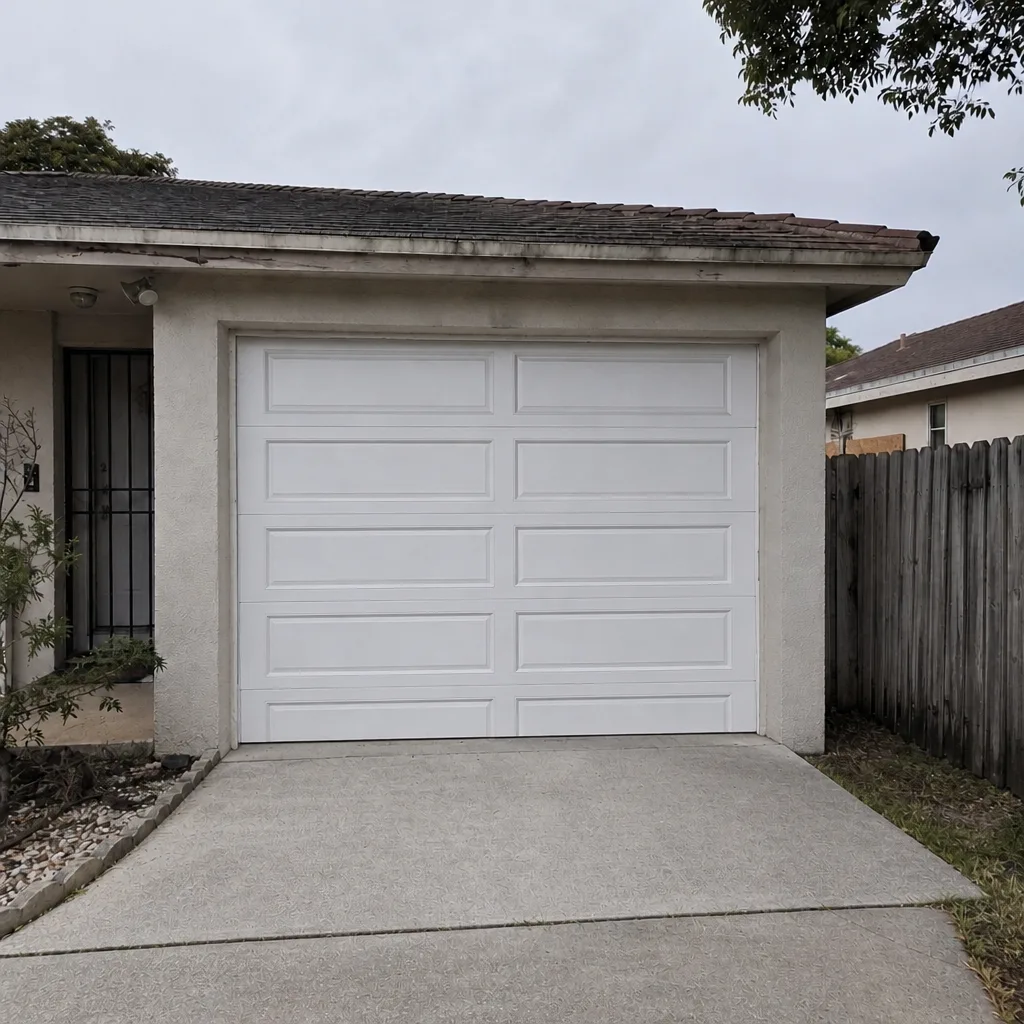 After
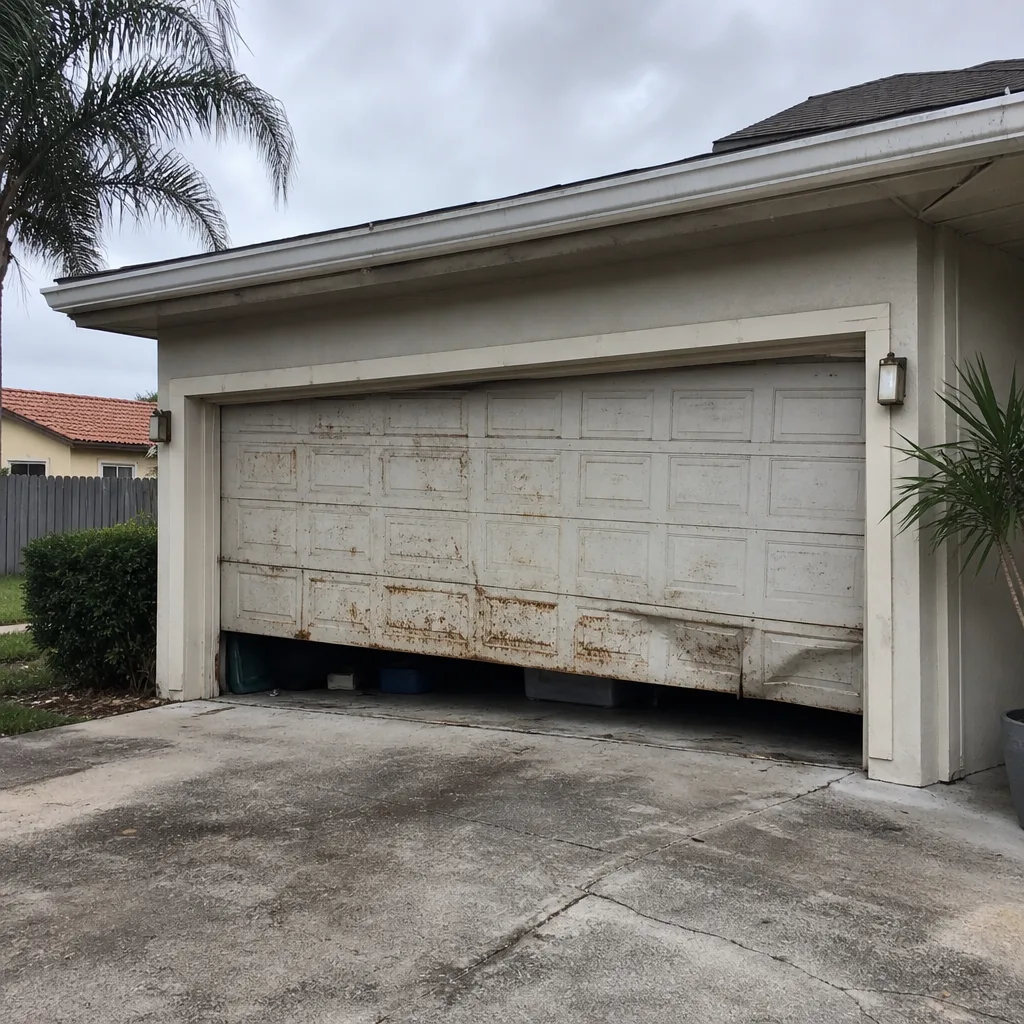 Before
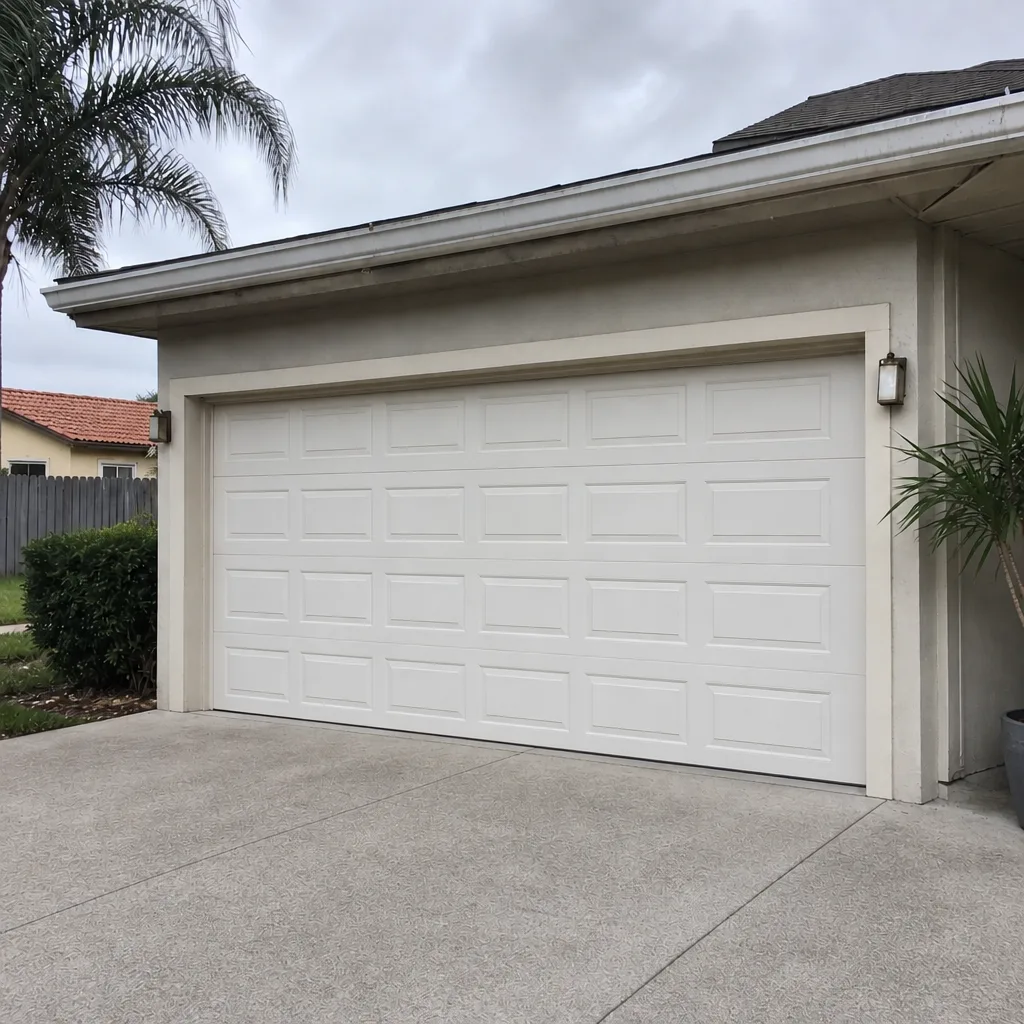 After
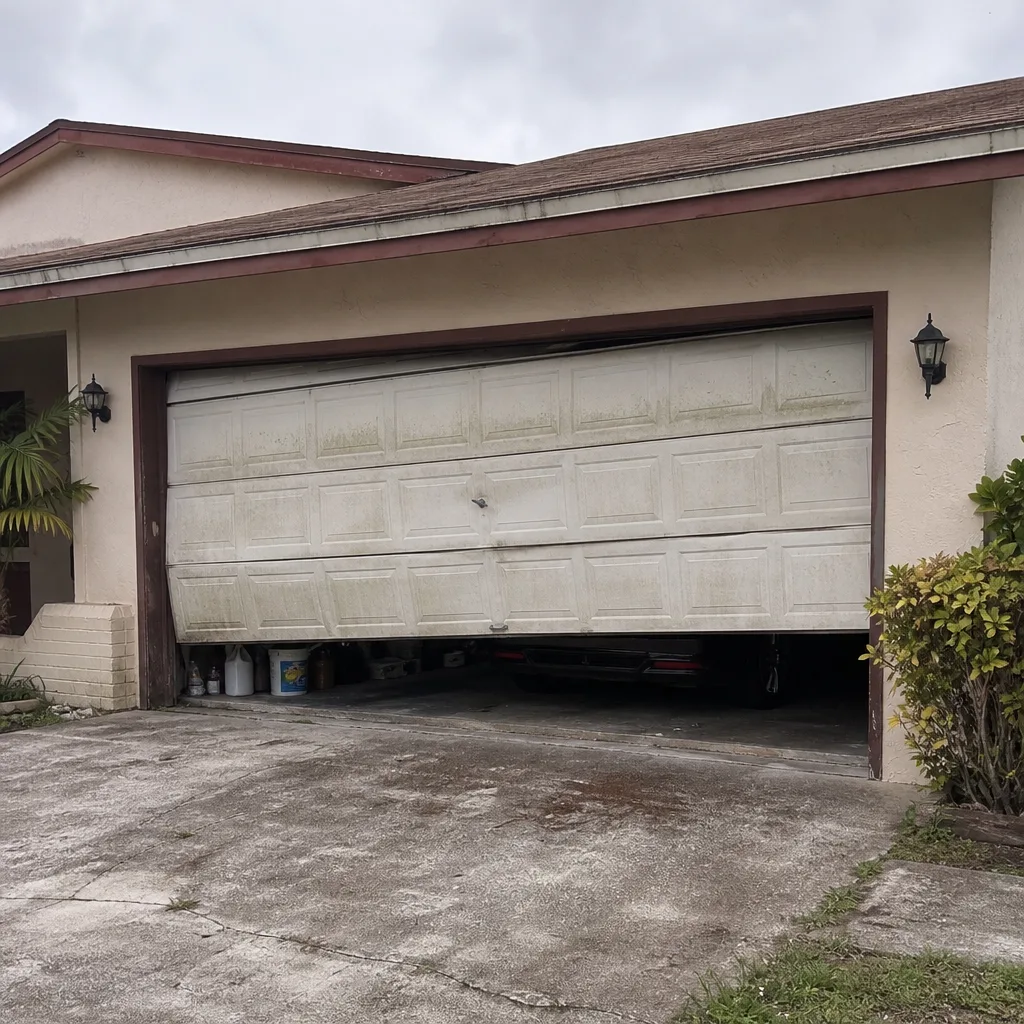 Before
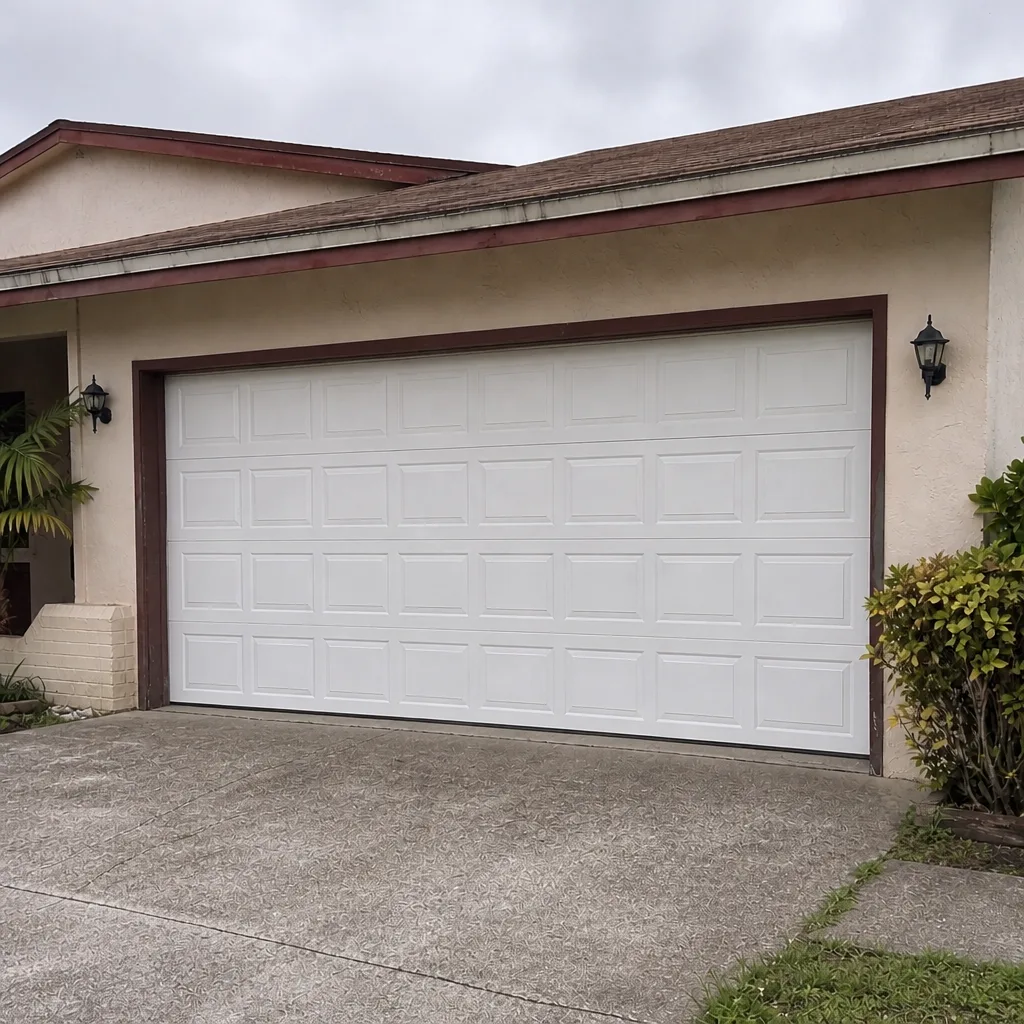 After
When to Call a Professional
Some tasks are yours to handle: clearing the tracks, testing the manual release, checking the seal, and keeping the opener lubricated. Others should go to a trained technician: anything involving springs, cables, or the balance of the door, bent tracks, and any opener that’s behaving erratically. The same goes for a door that won’t close all the way, won’t stay open, or makes a sound it didn’t make last week. If you’re in Cutler Bay and you’re not sure whether something is a quick fix or a bigger problem, Cutler Bay Garage Door Repair Pros offers free estimates – call (877) 492-2550. We work on all major brands, including LiftMaster, Chamberlain, Genie, and Clopay, so we can give you a straight answer on the system you actually have.
Frequently Asked Questions
The best time is December through March, the dry season. The weather is calmer, storms are rare, and you can have spring replacement, panel repair, or an opener upgrade done with minimal disruption. Do a light pre-season check in April or May to make sure the door is ready for hurricane season.
A storm watch means conditions are possible, so secure and test rather than repair. Clear the tracks, confirm the opener and manual release work, move loose items away from the door, and install any brace or shutter system you have. Don’t attempt a repair during a watch or warning; call a professional if something’s wrong.
Only after you’ve inspected it. Look for dents, bent panels, debris in the tracks, and damaged springs or cables. Test the door by hand first, and power the opener only if everything looks and feels right. If anything seems off, have a technician check it before you use the opener.
Springs respond to temperature. Heat expands the metal slightly and cool nights contract it, which can change how the door feels and sounds from one season to another. If the door starts to feel heavier or opens unevenly after a temperature swing, have a technician check the springs. Leave any spring adjustment to a trained professional.
No. Springs and cables are under extreme tension, and mishandling them can cause serious injury. This is the most hazardous garage door repair there is, and it should always be left to a trained technician. Cutler Bay Garage Door Repair Pros treats spring repair as a core specialty rather than an add-on.
Our technicians work on eight of the most widely installed brands, including LiftMaster, Chamberlain, Genie, Clopay, Amarr, Wayne Dalton, Craftsman, and Raynor. That covers both smart openers and legacy units, plus the door and hardware itself. Call (877) 492-2550 for a free estimate on the system you have.
The Bottom Line
Cutler Bay doesn’t have the four seasons the rest of the country talks about. It has a quiet dry season and a long, demanding storm season, and your garage door needs a routine that matches both. Do the pre-season checklist in April and May, stay calm and secure during an active storm, inspect before you power the opener after one passes, and use the dry months for the bigger maintenance jobs. The reward is a door that stays safe through the heat, the humidity, and the storms, and a home that’s ready when June 1 rolls around. For a free estimate on any repair, upgrade, or full installation in Cutler Bay, call (877) 492-2550 and we’ll help you plan the work around the season.
Written by the team at Cutler Bay Garage Door Repair Pros.