Last updated November 22, 2026
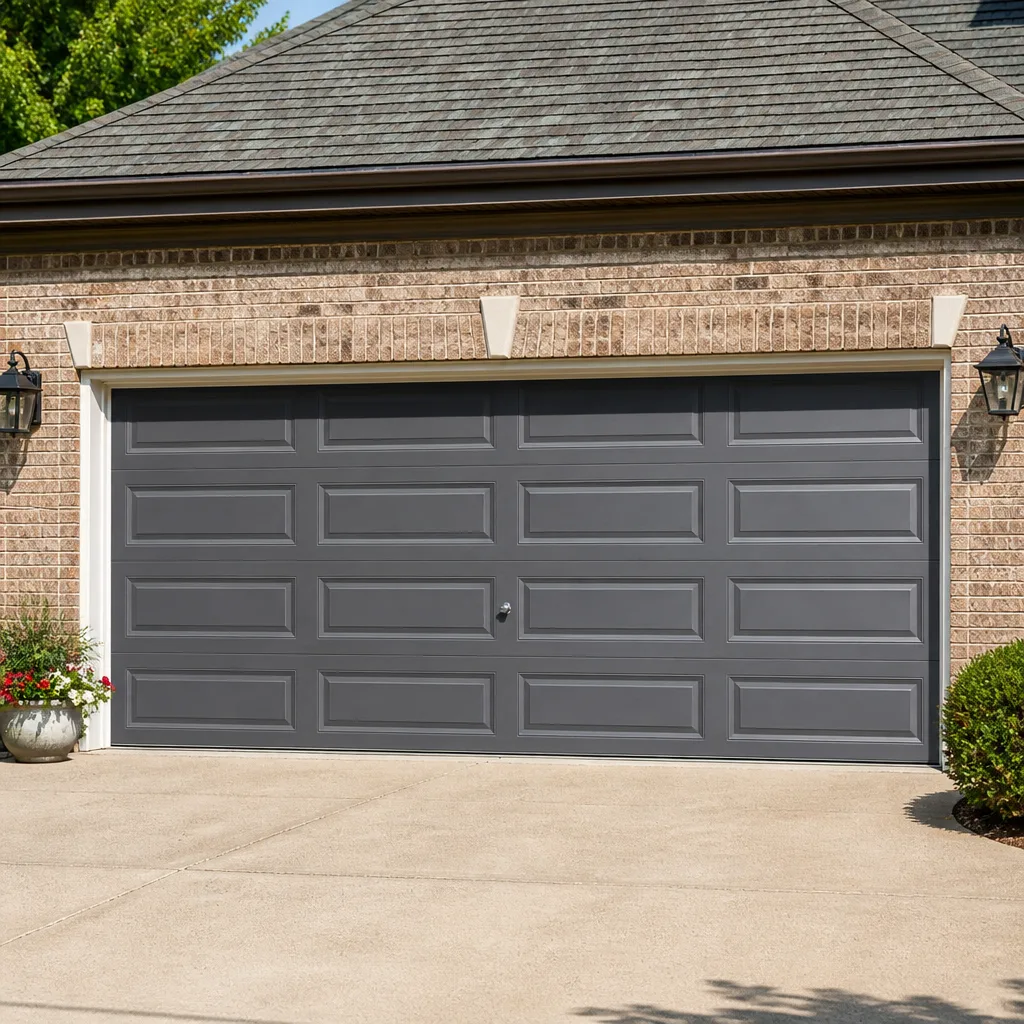 Raised-panel steel
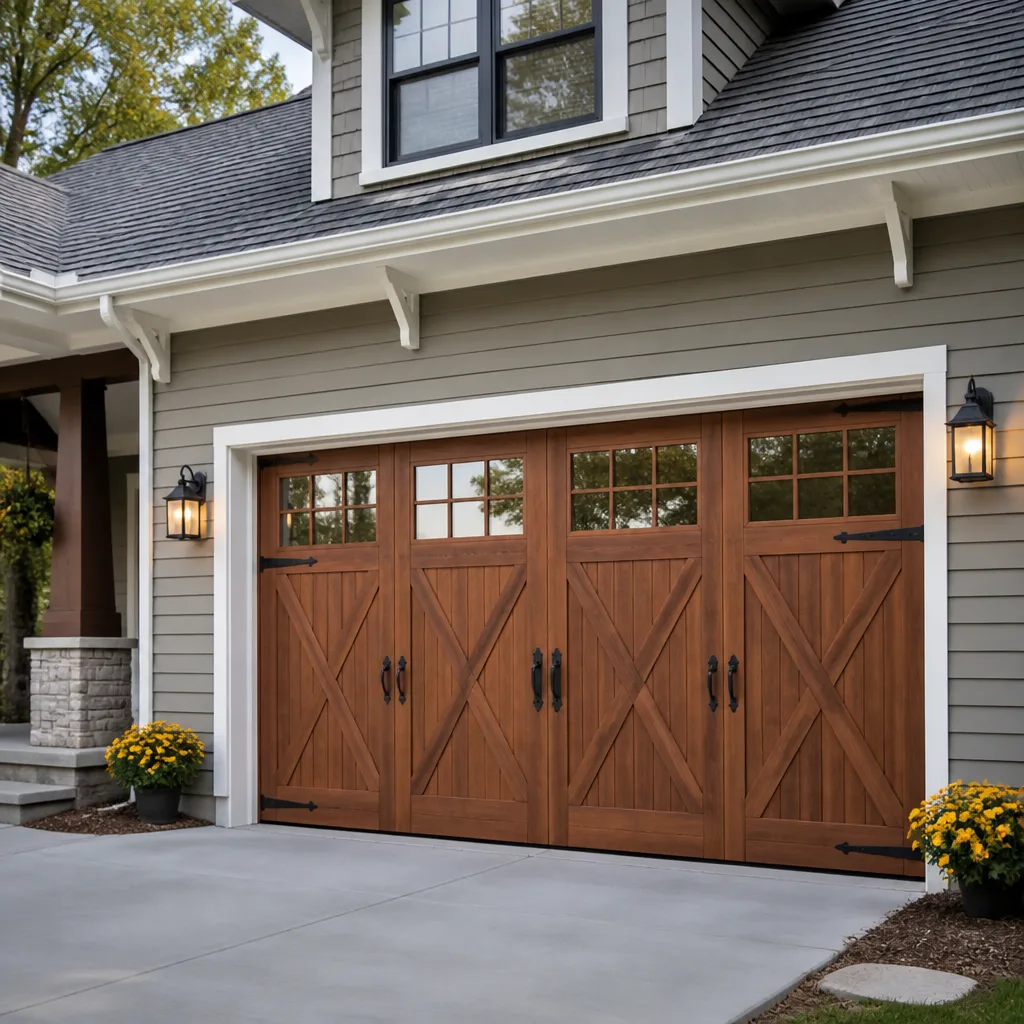 Carriage house
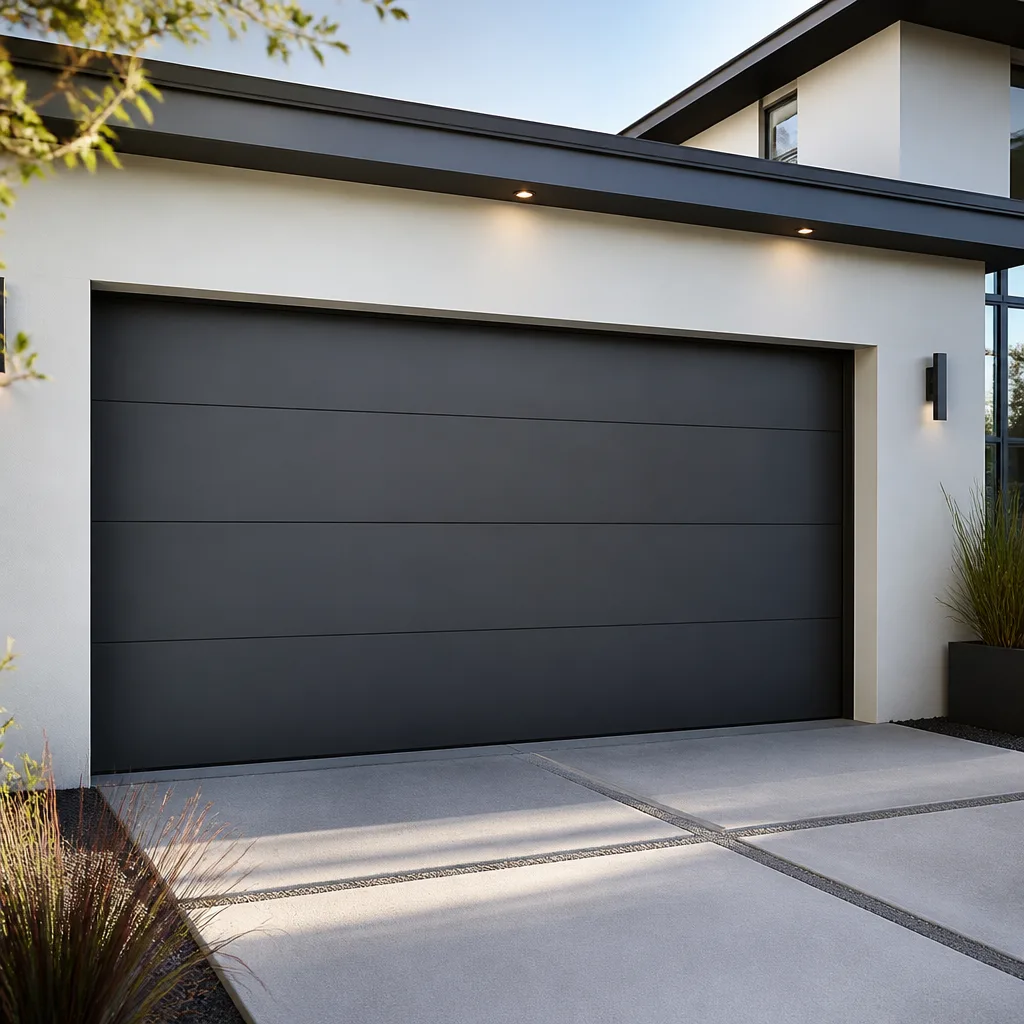 Modern flush
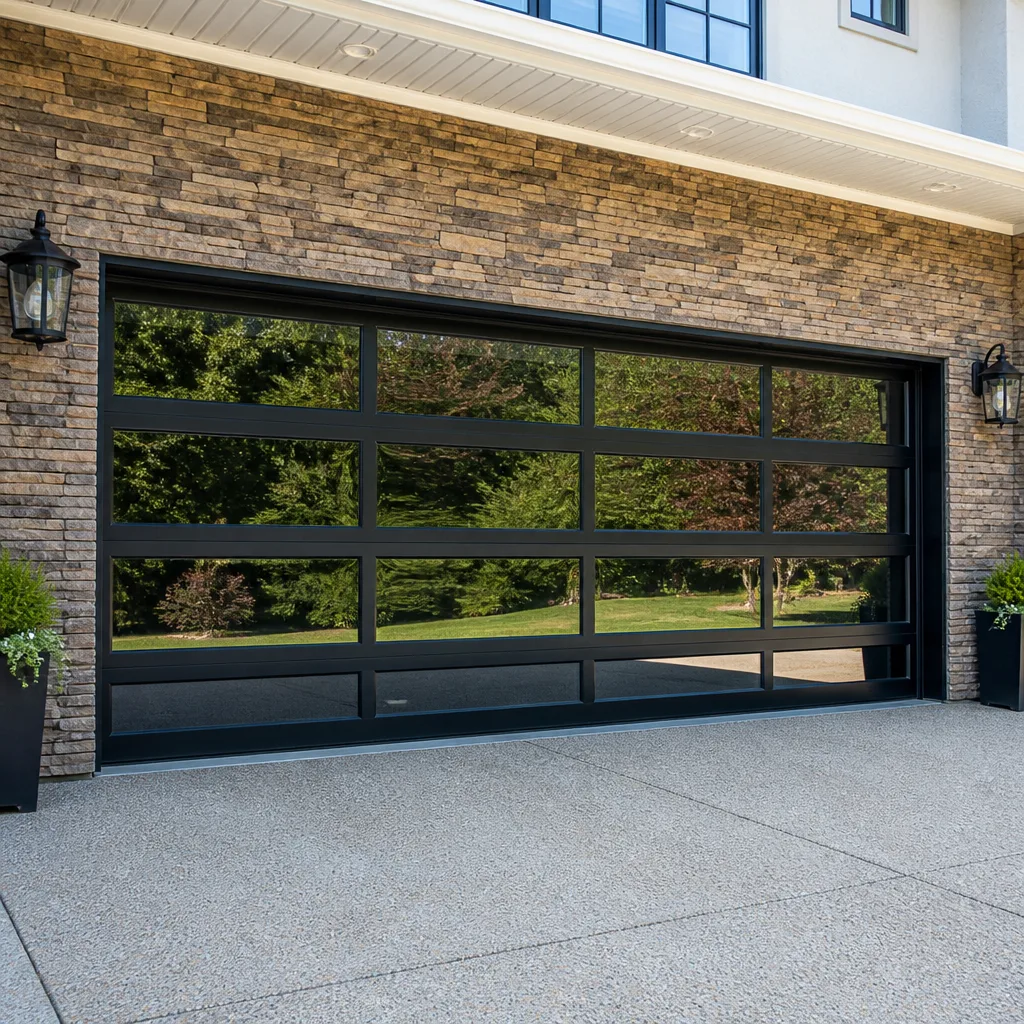 Full-view glass
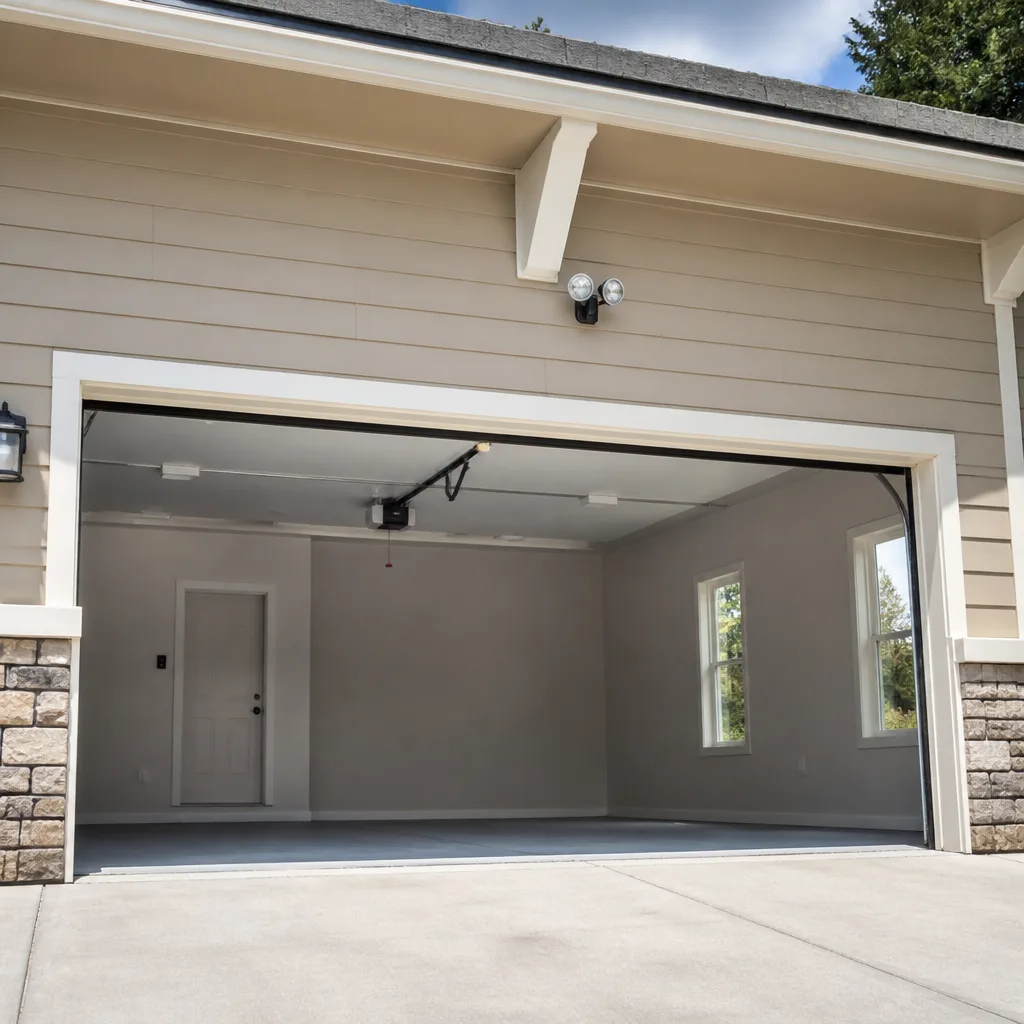 LiftMaster openers
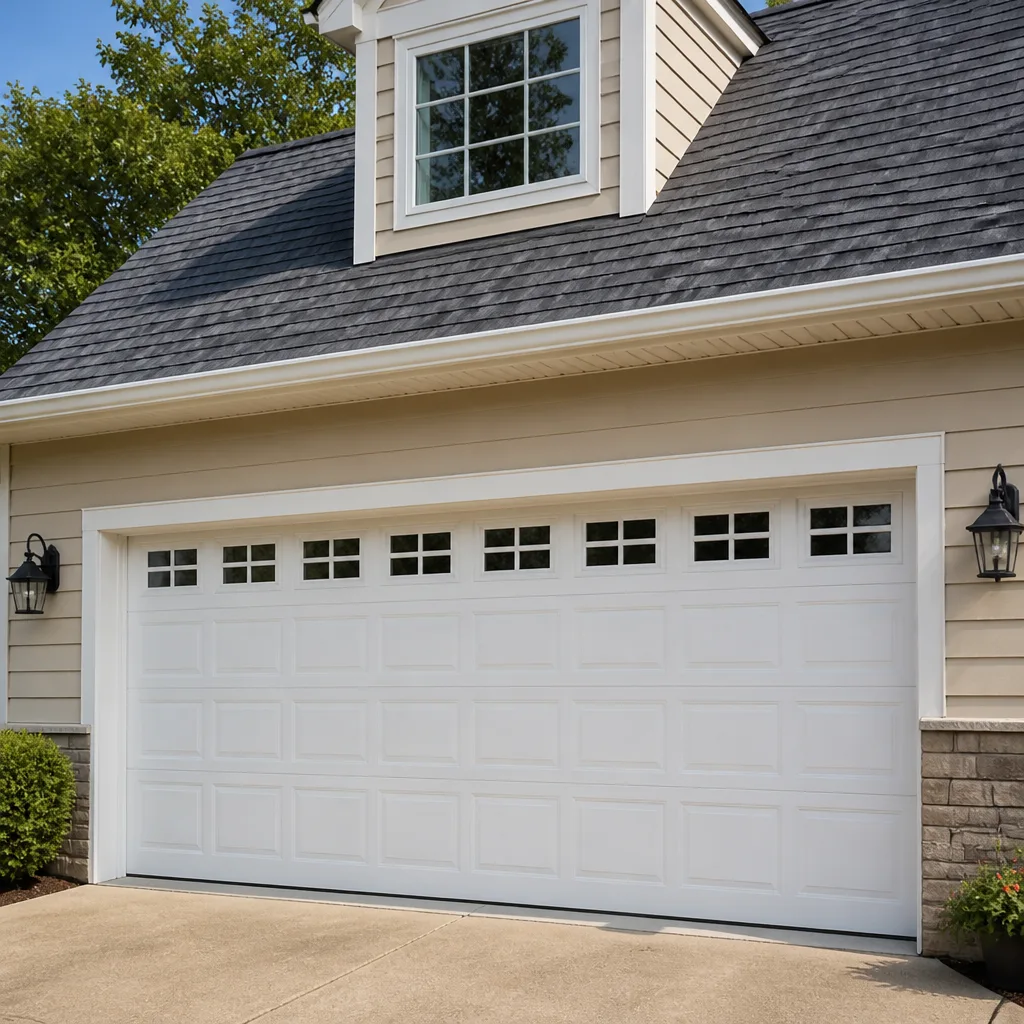 Chamberlain openers
Full 25-point door and opener safety check with every visit - springs, cables, rollers, tracks, and your LiftMaster or Chamberlain opener included
You get a price before we start. It does not change when the pro arrives.
Get your free estimateChoosing the Right Garage Door Brand: A Buyer’s Guide for Cutler Bay
The most popular garage door brand on a national review site may not have a single model approved for installation in Miami-Dade County. That’s not a knock on the brand. It’s a fact of how building codes work here, and it means a lot of the “best garage door brand” advice you’ll find online was written for Ohio, not for a home off Old Cutler Road in Cutler Bay. Brand loyalty is fine, but it isn’t what keeps your door working through a South Florida summer. What matters is whether the product is approved locally, whether parts are actually available when something fails, and whether the technician standing in your driveway knows that specific system. By the end of this guide, you’ll know how to evaluate any brand on the criteria that count in Cutler Bay, not the ones that win marketing awards.
Quick Answer
The right garage door brand for a Cutler Bay home is one with Miami-Dade NOA (Notice of Acceptance) approval, locally available parts, and a proven service network in South Florida. Clopay, Amarr, Wayne Dalton, and Raynor all offer residential lines that clear that bar. For openers, LiftMaster and Chamberlain lead in high-humidity performance, with Genie and Craftsman solid options on older systems. Approval and local service beat national reputation every time.
Styles & brands we work with
- Raised-panel steel
- Carriage house
- Modern flush
- Full-view glass
- LiftMaster openers
- Chamberlain openers
Table of Contents
- Why Brand Choice Works Differently in Cutler Bay
- The Miami-Dade Approval Question: Which Brands Qualify
- Local Parts Availability and Post-Storm Reality
- Steel Gauge, Coatings, and the 10-Year Corrosion Picture
- Opener Brands: A Separate Decision From the Door
- Matching Brand to How You Actually Use the Garage
- Materials and Styles: What Each Brand Does Best
- What Professional Installation Protects
Why Brand Choice Works Differently in Cutler Bay
Garage door marketing is national. Garage door installation is hyper-local. A brand that ranks first in a national “best of” list may have been evaluated on price, style variety, and color options that have nothing to do with whether the product is permitted on a home in Cutler Bay. The criteria that actually matter get almost no airtime: code approval, local parts supply, and the density of trained technicians who can service the product when it fails. Cutler Bay sits where the bulk of the county’s residential building activity happens, and the majority of homes here use the garage as the family’s primary daily entry. That use pattern changes what breaks and when, and it makes local service far more important than a single style catalog.
In our experience, the homeowners who are happiest with their purchase five years in aren’t the ones who bought the “best” brand. They’re the ones who bought a product with approval, a matched opener, and a service relationship that can actually respond when a spring snaps. Brand is one input. The other inputs matter more than most buyers realize, and this guide walks through each one in the order we recommend thinking about them.
The Miami-Dade Approval Question: Which Brands Qualify
Miami-Dade County has a strict product approval system for residential construction components. A garage door installed here typically needs a Notice of Acceptance (NOA) or a Florida Product Approval from the manufacturer for the specific model and wind rating required in your area. Not every brand’s residential lineup carries that approval for every model. When a popular national brand has no approved models in its current catalog, it doesn’t matter how well it reviews elsewhere. It cannot be legally installed on a permitted home in Cutler Bay.
Brands with strong approved residential lines
- Clopay – one of the widest approved lineups for residential doors in South Florida, with strong showing across steel and composite styles
- Amarr – broad approved selection, especially strong in traditional raised-panel steel
- Wayne Dalton – approved models available on multiple residential series, plus well-known wood-composite looks
- Raynor – approved options on their steel residential series, with a reputation for durability in high-use homes
Some brands have approved models, but not the specific one you like from a photograph. That’s a common trap. A model you saw online may only be approved in a different wind zone, or only in a different size. Before you fall in love with a style, confirm that the exact model and size has the approval for your address.
How to check approval before you buy
- Ask for the manufacturer’s Florida Product Approval or NOA number for the specific model and wind pressure rating.
- Verify the model number matches exactly – approvals often differ between sizes and panel configurations within the same series.
- Confirm the approval applies to the installation method and anchorage system being used.
- Ask your city building department whether the door needs a permit and what documentation they want to see.
Most cities in Miami-Dade require a permit for a new garage door installation, so this isn’t a step you can skip. Ask your building department what they need before you approve the order. A reputable installer will have these documents ready.
Local Parts Availability and Post-Storm Reality
A broken spring in Cutler Bay doesn’t care which brand you chose, but parts availability absolutely does. When a door fails in South Florida after a storm or heavy wind event, the entire region’s technicians are booked out. If your brand requires parts shipped from out of state, your downtime can stretch from days into weeks while every local technician works through a backlog. That dynamic is easy to miss when you’re comparing prices on a sunny afternoon.
Brands with an established South Florida dealer and parts network – the same ones we mentioned for approval – tend to get you back in motion faster. Springs, hinges, rollers, cables, and opener components for those brands are typically available from regional distributors. For an older or niche brand, parts may need to be ordered specifically, which slows repair and pushes labor estimates up because technicians have to return.
What to ask about parts before you decide
- Are replacement springs, cables, and rollers for this model stocked in South Florida?
- Is the opener brand the same company as the door brand, or a different manufacturer? (Matching matters less than availability.)
- How long does a typical special-order part take?
- Does the local distributor carry panels in the same color and profile, or would a replacement panel come as a mismatched batch?
Panel color matching is the sneaky one. If your door’s panels aren’t locally stocked in the same color and model year, a repaired door can end up visibly mismatched. Buyers rarely think about this until it happens. Ask before you commit, and if you’re already in a mismatched situation, our team can talk through the options for garage door repair without throwing away the panels that still work.
Steel Gauge, Coatings, and the 10-Year Corrosion Picture
Steel gauge is the most consequential specification most buyers never look at. In this context, lower gauge numbers mean thicker steel with better dent resistance. A 24-gauge door holds up better through years of daily use and occasional impact than a 25-gauge door. It also holds its shape better over a long span, which affects how the door tracks and how the opener feels when it runs. Thicker steel costs more upfront but tends to be the better long-term decision on a high-use home.
How to read the specs
- 24-gauge steel – thicker, heavier, better dent resistance, typically found on mid- and upper-tier lines within a brand
- 25-gauge steel – lighter, less dent resistance, usually on entry-level series
- 26-gauge steel – thinnest of the common grades, mostly on economy doors, not typically the best fit for a heavily used home
- Coating systems – most quality brands use two- or three-layer paint systems; ask about the specific system, not just “baked-on paint”
- Insulation – polyurethane (foamed) outlasts polystyrene panels in heat and humidity
Cutler Bay’s heat and humidity stress a coating system more than most buyers realize. A door that spends years under direct sun with a thin paint layer will start to show fade, chalking, and eventually surface rust at panel joints and hardware points. Over a 10-year window, the difference between a two-layer and three-layer finish on a mid-grade door becomes obvious. In our experience, the coating specification matters as much as the gauge for longevity here.
Ask your installer for the gauge and coating system in writing. Reputable brands publish both in their product literature. If a dealer can’t tell you the gauge, that’s a signal about the level of product knowledge behind the sale. And if the door’s already installed and you’re dealing with fading or rust at the hinges, that’s often fixable without a full replacement.
Opener Brands: A Separate Decision From the Door
Most buyers spend hours on door brand and minutes on opener brand. Flip that. The opener is what actually fails first in a high-use home, and its performance depends on environment. South Florida’s humidity and heat punish opener electronics harder than dry climates do. Motors run hotter, circuit boards corrode faster, and battery-backed units lose capacity over time. The opener brand matters.
Opener brand landscape
- LiftMaster – the most installed residential opener brand in the region; myQ smart-home integration is well-supported, and the parts network is the deepest. Strong track record in high-humidity performance.
- Chamberlain – a sister brand to LiftMaster; shares much of the underlying engineering, with comparable humidity performance. Wi-Fi-enabled models are common.
- Genie – strong on conventional openers; solid reliability, and widely serviced. Good option if your home already has one.
- Craftsman – legacy systems are still common in older homes. Parts availability has narrowed since the brand’s retail retreat, but many units are still serviceable.
LiftMaster and Chamberlain dominate smart-home integration, and their myQ platform makes it easy to control and monitor the door from a phone. For a home where the door is the family’s daily entry, that’s real convenience. Genie remains competitive on conventional models, and Craftsman units still work well when they’re maintained, even if new parts take a little longer to source. When an opener starts acting up, the fix is often a sensor alignment, a gear, or a limit switch rather than a full unit replacement – which is why a specialist knows the brand quirks instead of guessing.
Matching Brand to How You Actually Use the Garage
The right brand depends on how the garage is used. A four-person household where the door opens eight times a day has different requirements than a single-car garage whose door opens twice a week. Match the product to the use pattern, and you’ll get more life out of the investment regardless of brand name.
Heavily used primary garage (multi-car household, daily cycles)
- Prioritize 24-gauge steel construction over entry-level gauge
- Choose a LiftMaster or Chamberlain belt-drive opener rated for heavy cycles
- Specify polyurethane insulation for both temperature and noise control
- Consider a torsion spring setup rated for higher cycle counts
Secondary garage (minimal traffic, storage mostly)
- 25-gauge steel is often the right balance of cost and durability
- A Genie or entry-tier Chamberlain opener covers the load
- Panel-style doors on a lower-tier line are fine if the finish is good
- Match the color to the main house so the door doesn’t look like an afterthought
In Cutler Bay, homes near the waterfront neighborhoods and along the older inland streets often have a mixed setup: one garage used daily, one used for lawn equipment and storage. Don’t buy the same door for both. The cost difference matters, and a lighter-duty door covers the secondary use just fine. If the primary door is getting heavy use, that’s where the money should go.
Materials and Styles: What Each Brand Does Best
Brand matters less than material for the final look of the home. Steel is the workhorse in South Florida – durable, low-maintenance, and available in a wide range of finishes. Wood is beautiful but requires ongoing upkeep in this humidity, and aluminum or composite options sit in between on both cost and maintenance.
- Amarr – strong in traditional raised-panel steel; the brand’s look tends to fit established suburban homes well
- Clopay – broad range across steel and composite styles, with more modern flush-panel options
- Wayne Dalton – well-known for its wood-composite and carriage-house looks, often a good fit for the more traditional homes in Cutler Bay
- Raynor – solid steel options, with strong reputation on high-cycle commercial-grade residential lines
Style isn’t a brand question. It’s a home-design question. A carriage-house door on a modern home can look forced, and a flush-panel door on a 1970s Cutler Bay ranch-style home can look out of place. Bring photos of your house to the consultation. Any good installer will steer you toward models that fit the architecture instead of the showroom display.
What Professional Installation Protects
Even the best brand installed wrong is a problem. Garage doors are the largest moving part in a residential home, and the installation is where brand reputation either gets honored or wasted. Misaligned tracks, unbalanced springs, and an opener that’s forced to compensate for a poorly hung door will fail early, regardless of how much you paid for the product.
Professional installation protects three things: the manufacturer’s warranty, the door’s alignment, and the safety of everyone in the household. Warranty voiding is the one buyers underestimate. Many brands require proof of professional installation to honor their warranty, so a DIY install can wipe out what you paid for.
What a proper installation includes
- Measuring the opening and confirming the door and hardware match the approved documentation
- Checking header and jamb condition – rotted or soft wood needs to be addressed before installation
- Installing and balancing the torsion springs correctly (this step alone is why spring repair is never a homeowner task)
- Aligning tracks and confirming smooth travel through the full open-and-close cycle
- Setting opener limits and force sensitivity, then testing the safety reverse
- Walking the homeowner through operation, maintenance, and the warranty paperwork
Springs under tension are dangerous. Every professional installer treats them that way, and so should you. If your current springs are past their service life, our team treats garage door spring repair as a defined specialty rather than an upsell, because spring failure is the number one reason doors stop working and the most hazardous repair on the entire door. Leave it to a technician who has the training and the tools.
Common Mistakes to Avoid
- Buying on national reputation. A brand’s placement on a national best-of list tells you nothing about whether its models are approved for your Cutler Bay address. Check approval first, brand second.
- Skimping on steel gauge to save money. A 25-gauge door that dents and warps on a high-use home costs more over time than the 24-gauge option you passed on.
- Mismatching door and opener because they came as a package. Match the opener to the door’s weight and cycle count. LiftMaster and Chamberlain are strong choices for the door you buy, not just the door you were handed.
- Ignoring local parts availability. A brand with no South Florida parts network means longer downtime when every technician in the region is busy after a wind event.
- Skipping the permit. Most cities in Miami-Dade require a permit for a new door. Skipping it can complicate a future sale and can void the warranty.
- Choosing style before function. A carriage-house door on a modern home can look forced. Bring photos of your house to the consultation and let the installer recommend a fit.
- Letting a contractor install the door without a written estimate. Get the model, gauge, and finish in writing before work starts. Verbal quotes are what cause the number on the invoice to drift.
See the difference
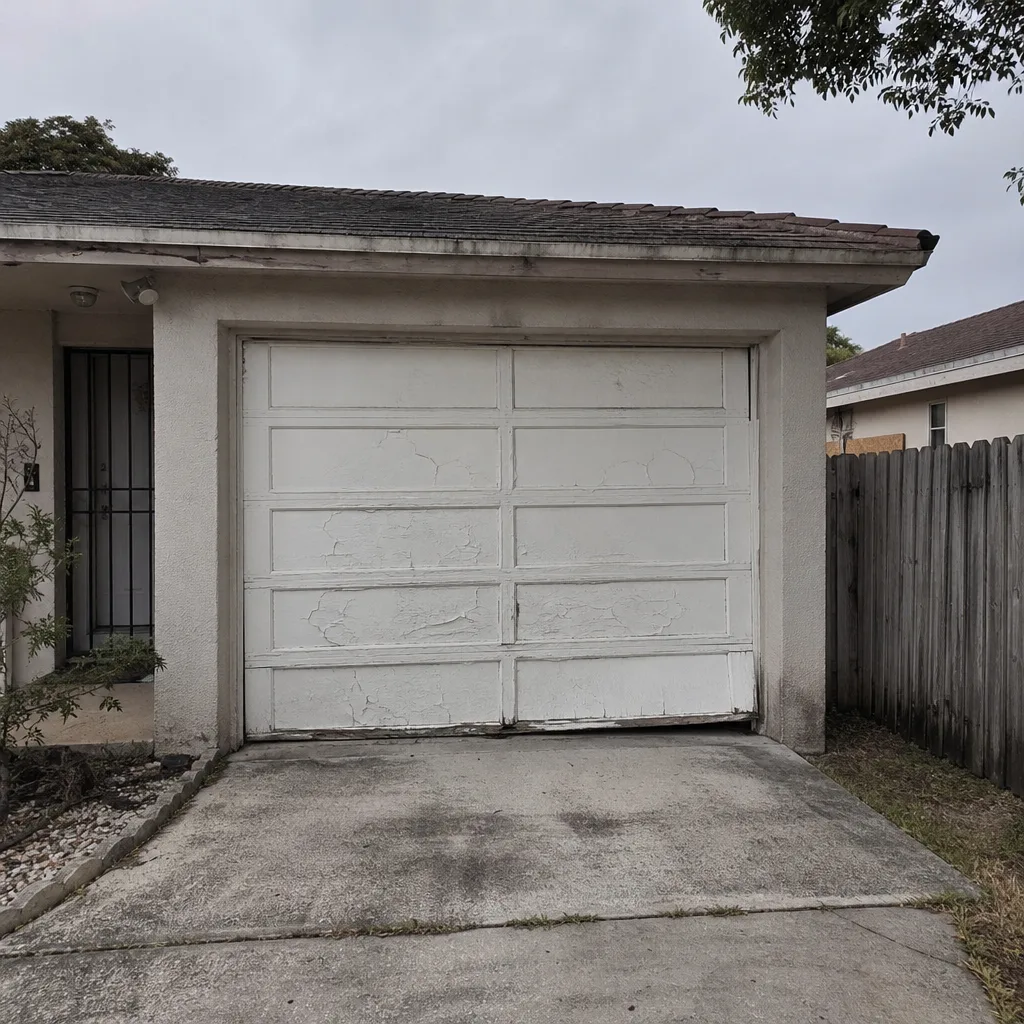 Before
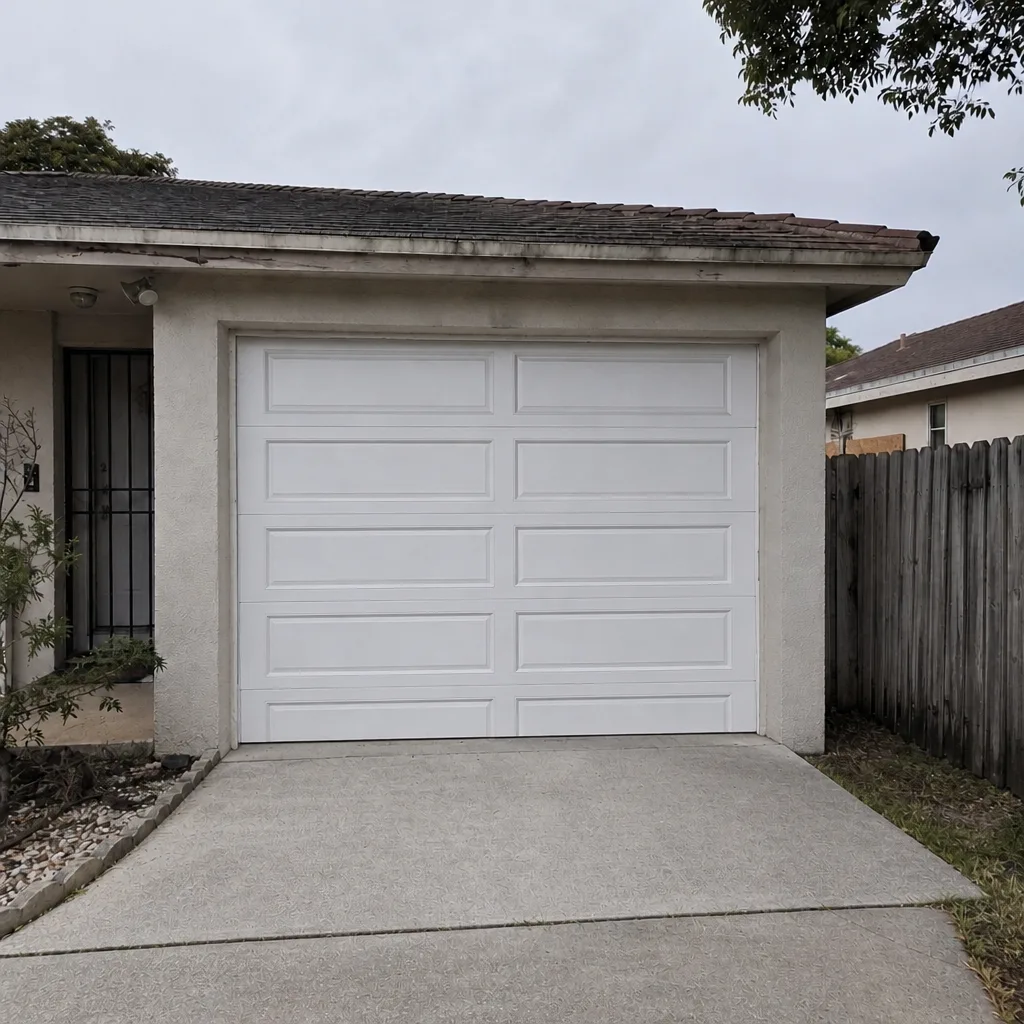 After
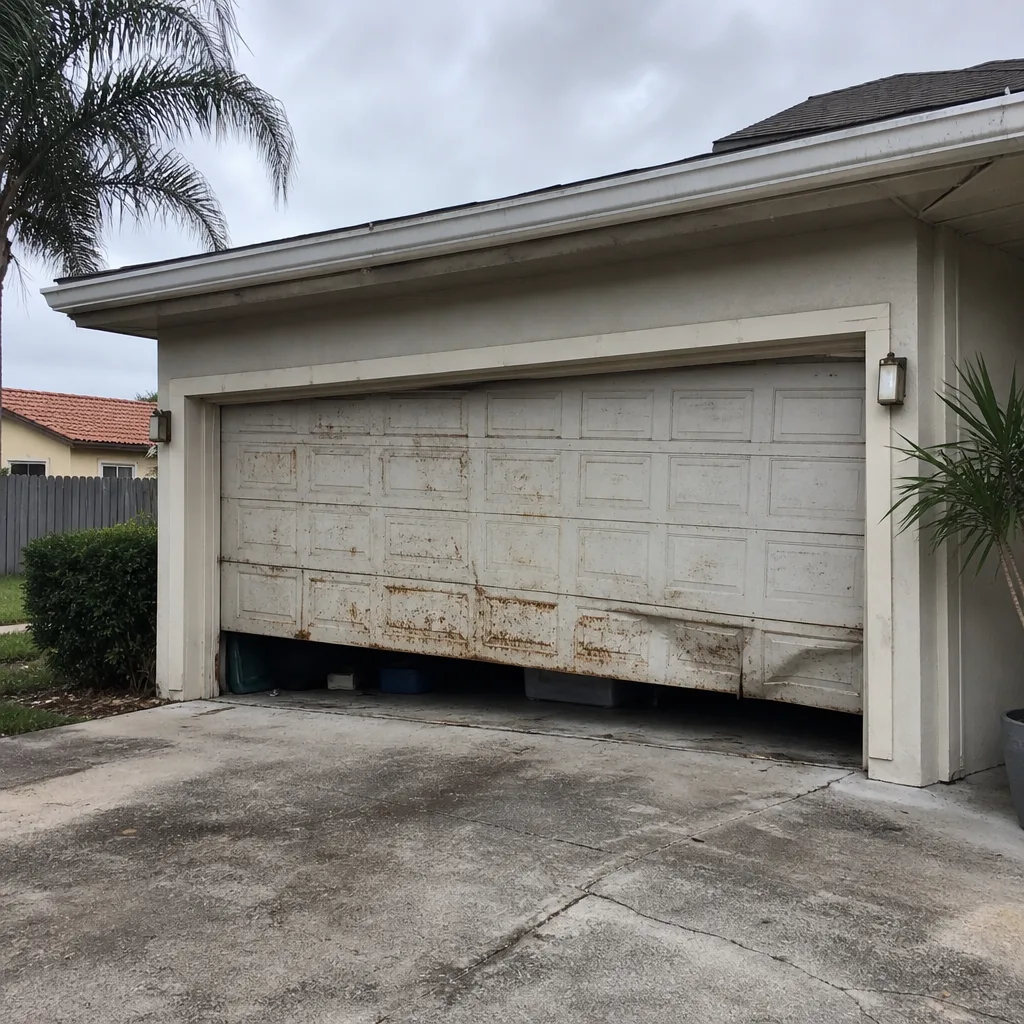 Before
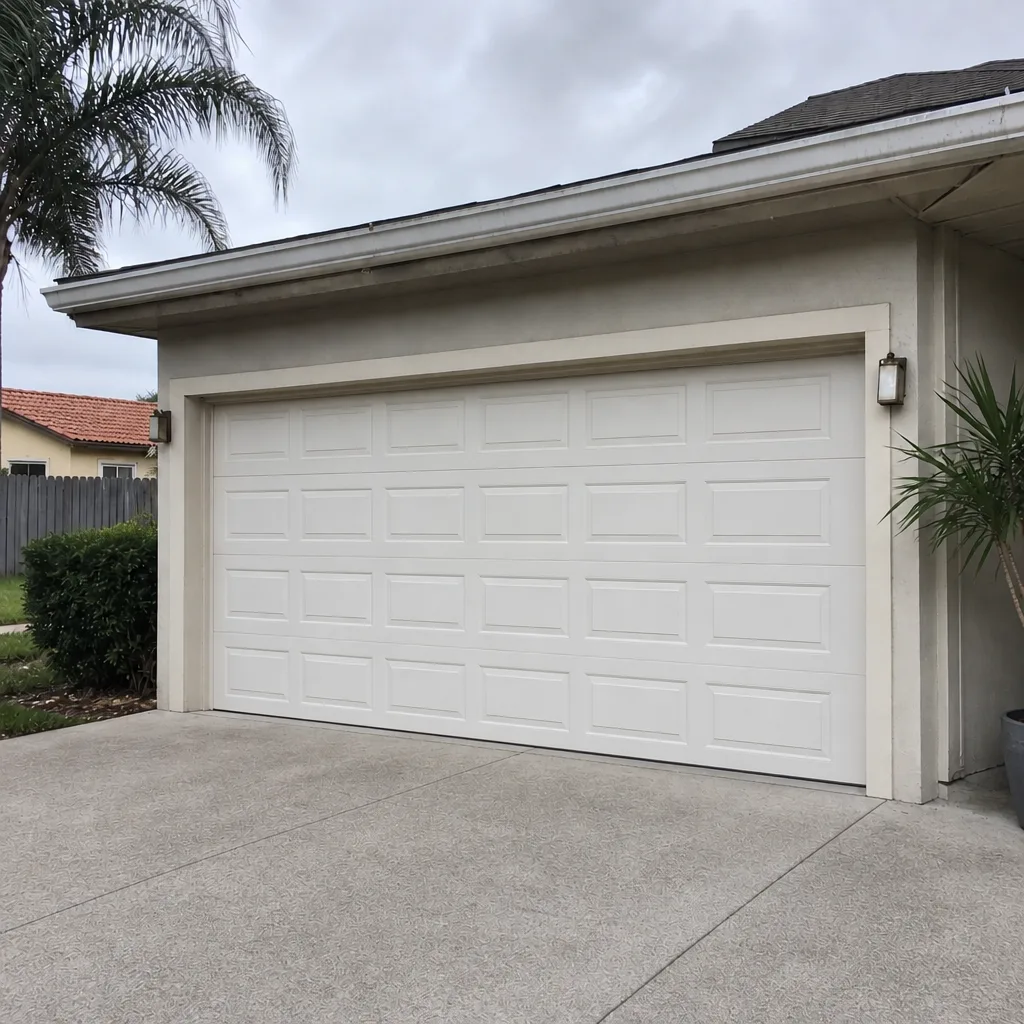 After
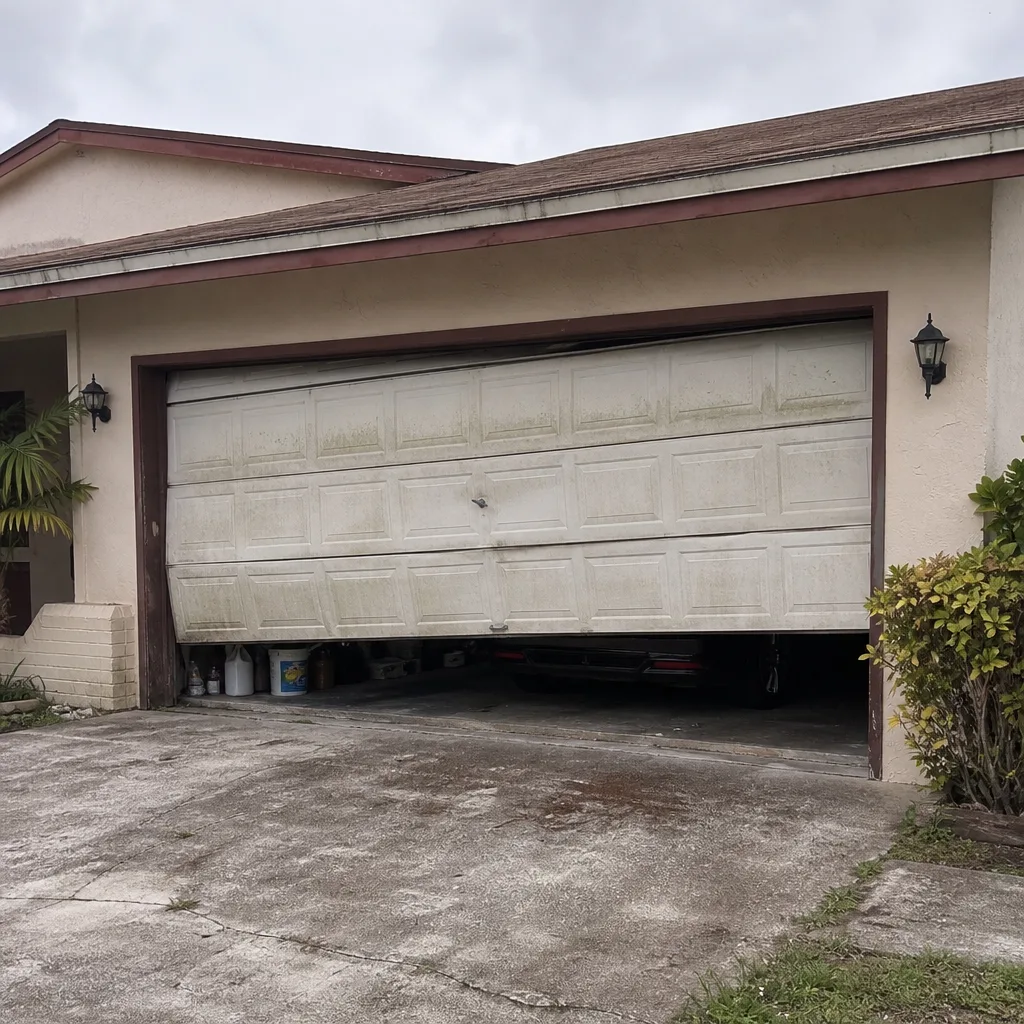 Before
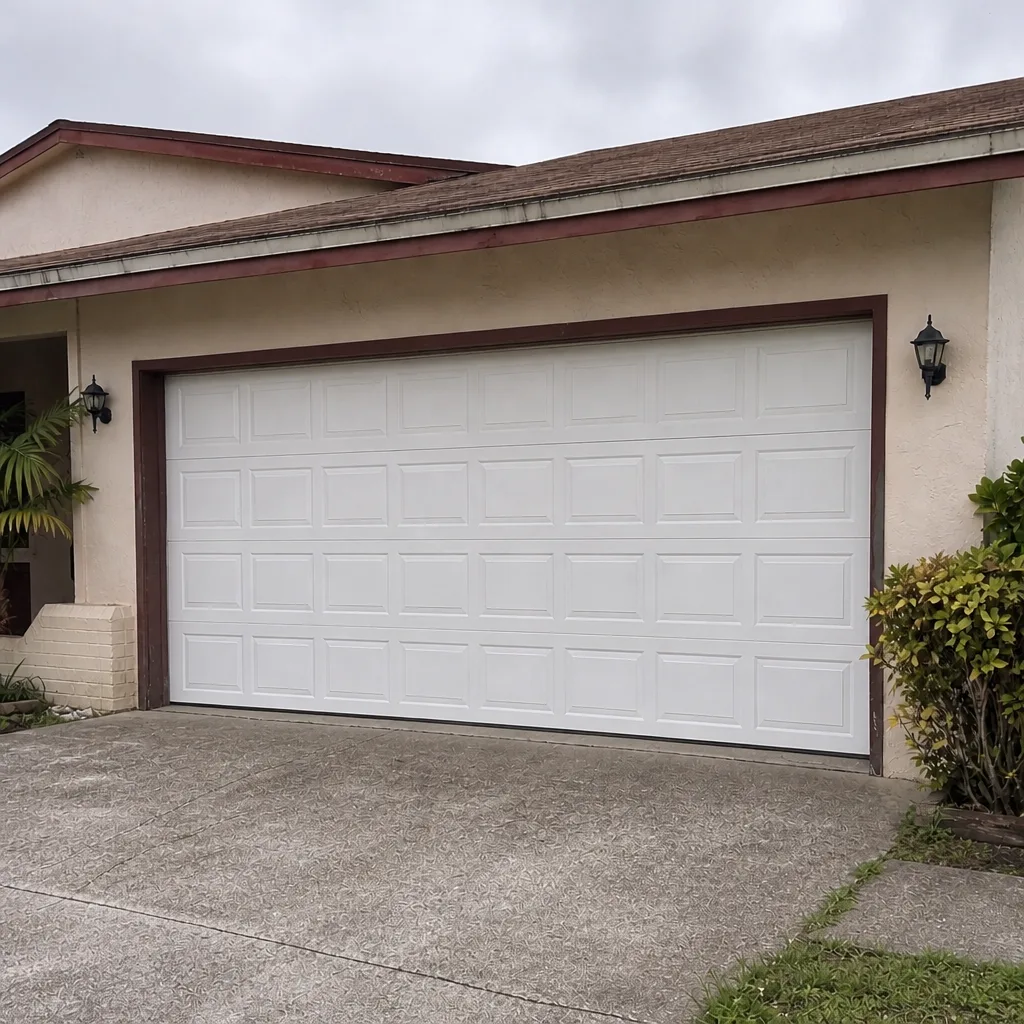 After
When to Call a Professional
Some decisions in this guide are yours to make on your own time. Others aren’t. Call a professional when a spring breaks (there’s no safe DIY here), when the door comes off track or won’t close all the way, when the opener runs but the door doesn’t move, or when the door has done its service life and you’re choosing a replacement. Call immediately if a door is stuck open, if a panel is loose after wind, or if the opener has begun reversing unpredictably. For new installations, get a free measure and a written estimate rather than relying on a showroom price. Cutler Bay Garage Door Repair Pros offers free estimates in Cutler Bay. Call (877) 492-2550 for a written quote before work starts, with the price agreed before anyone touches the door.
Frequently Asked Questions
For Cutler Bay, the best brand is one with Miami-Dade NOA or Florida Product Approval for the exact model you want, local parts availability in South Florida, and a service network that responds quickly. Clopay, Amarr, Wayne Dalton, and Raynor all offer residential lines that clear those criteria. Brand name alone doesn’t win; local approval and service do. Call (877) 492-2550 to talk through which models fit your home and use pattern.
Most cities in Miami-Dade require a permit for a new garage door installation, so check with your city’s building department before ordering. The permit typically needs the manufacturer’s product approval documentation and may require inspection after installation. Ask the department what documents they need for your specific address, and confirm the model you’re buying carries the exact approval required.
LiftMaster and Chamberlain tend to perform best in high-humidity environments, largely because of the depth of their parts network and their track record with residential electronics in this climate. Genie is a solid conventional option, and Craftsman units in older homes are still serviceable even if parts take a bit longer to source. Call us for garage door opener repair before replacing a unit that may just need a sensor alignment or gear repair.
A typical single or double door install takes several hours to a full day, depending on model, size, and your home’s opening. Installation is scheduled work, not same-day work, because doors are measured, ordered, and delivered before the crew arrives. A free measure and written estimate at the start protects you from cost drift, and the price is agreed before work begins. Call (877) 492-2550 to schedule a measurement.
Springs are replaced, not repaired, once they fail. A broken spring almost always calls for replacement, and a matched pair is usually replaced together because springs wear evenly. Expect the price of a pair to be roughly twice the price of one spring. Spring failure is dangerous, so leave the work to a trained technician. For garage door spring repair, call us and we’ll give you a written estimate before any work starts.
Replace both together when the opener is past its typical service life or the door’s weight has changed significantly. A new heavier or thicker door can void an older opener’s capacity and shorten its remaining life. If the opener is still reliable and rated for the new door’s weight, replacing just the door is often fine. Talk through the math before deciding – a free estimate covers both options.
The Bottom Line
Brand loyalty is worth less in Cutler Bay than approval, parts availability, and service depth. Before you buy, confirm the exact model has Miami-Dade NOA or Florida Product Approval. Ask for the steel gauge and coating system in writing. Match the opener brand to how heavily the garage is used, not just to the door brand. And skip the temptation to handle springs or an off-track door on your own. The right purchase is the one that holds up in a South Florida summer with a local service network that can actually respond when something fails. The brand name is one input. Approval, local parts, and a decent technician relationship matter more.
Get a Written Estimate Before You Decide
Whether you’re comparing Clopay against Amarr, sorting out a Wayne Dalton model, or replacing an old Craftsman setup, we can walk you through which brands are approved for your specific Cutler Bay address and which openers make sense for your household. We work on your brand – LiftMaster, Chamberlain, Genie, Clopay, Amarr, Wayne Dalton, Craftsman, and Raynor – and our technicians have up to 14 years of experience. One call, one specialist, from a broken spring to a brand-new door. Call Cutler Bay Garage Door Repair Pros at (877) 492-2550 for a free estimate, with the price quoted and agreed before any work starts. Start with an overview of Cutler Bay Garage Door Repair Pros, then call us to schedule your free measure in Cutler Bay.
Written by the team at Cutler Bay Garage Door Repair Pros.