Last updated November 22, 2026
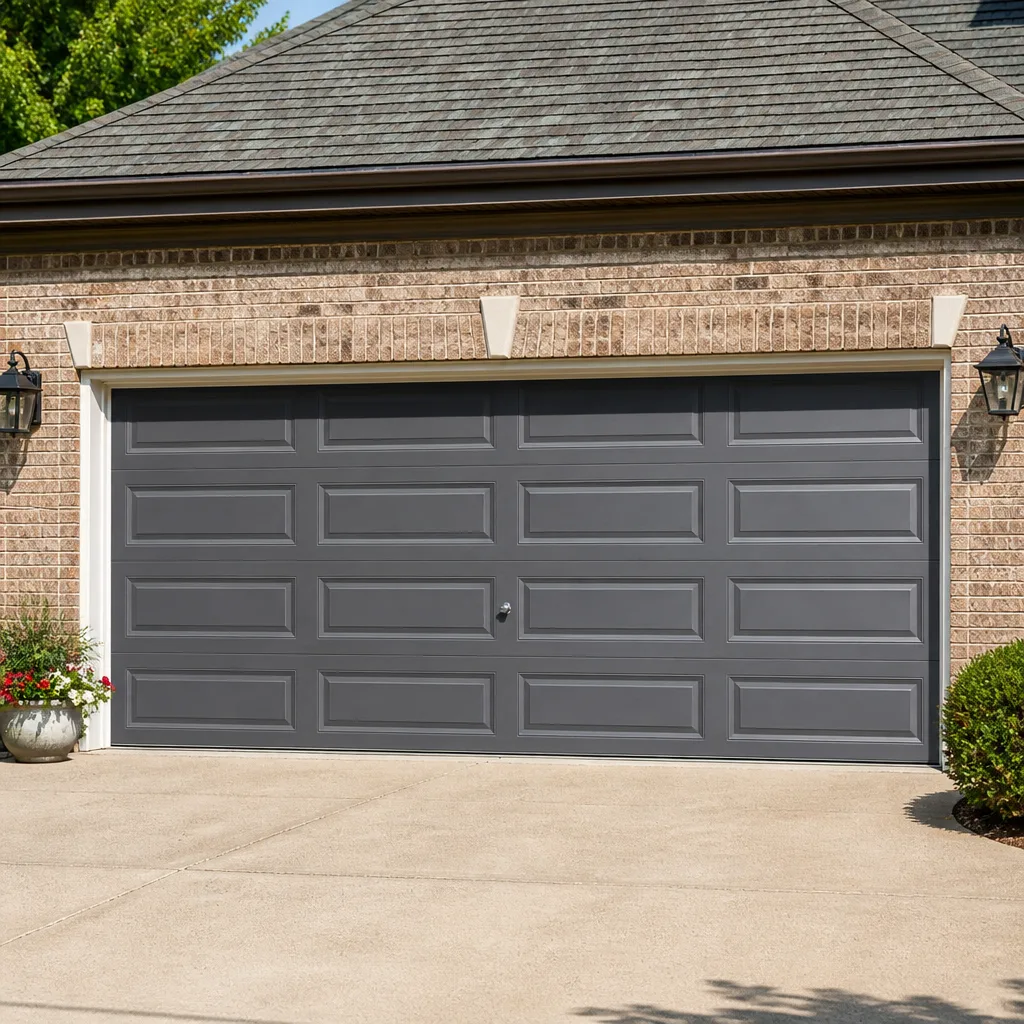 Raised-panel steel
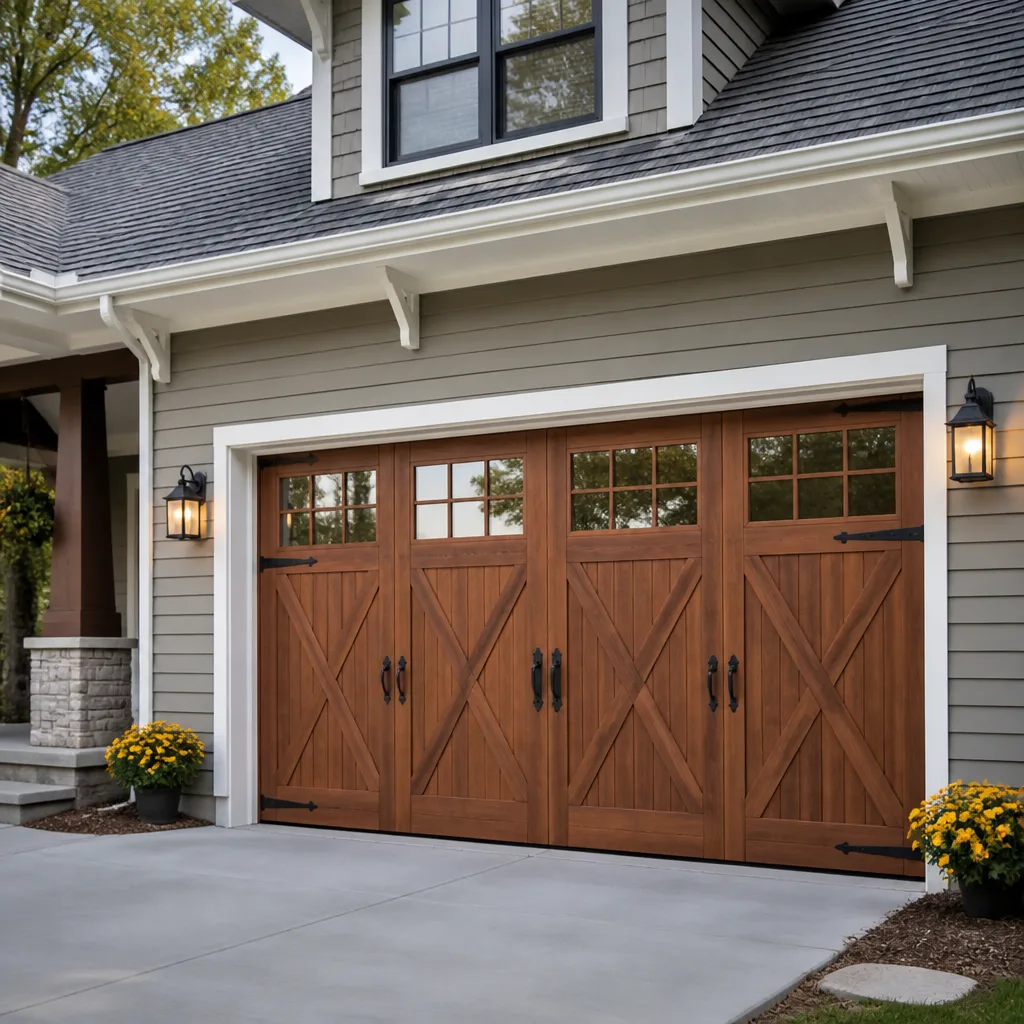 Carriage house
 Modern flush
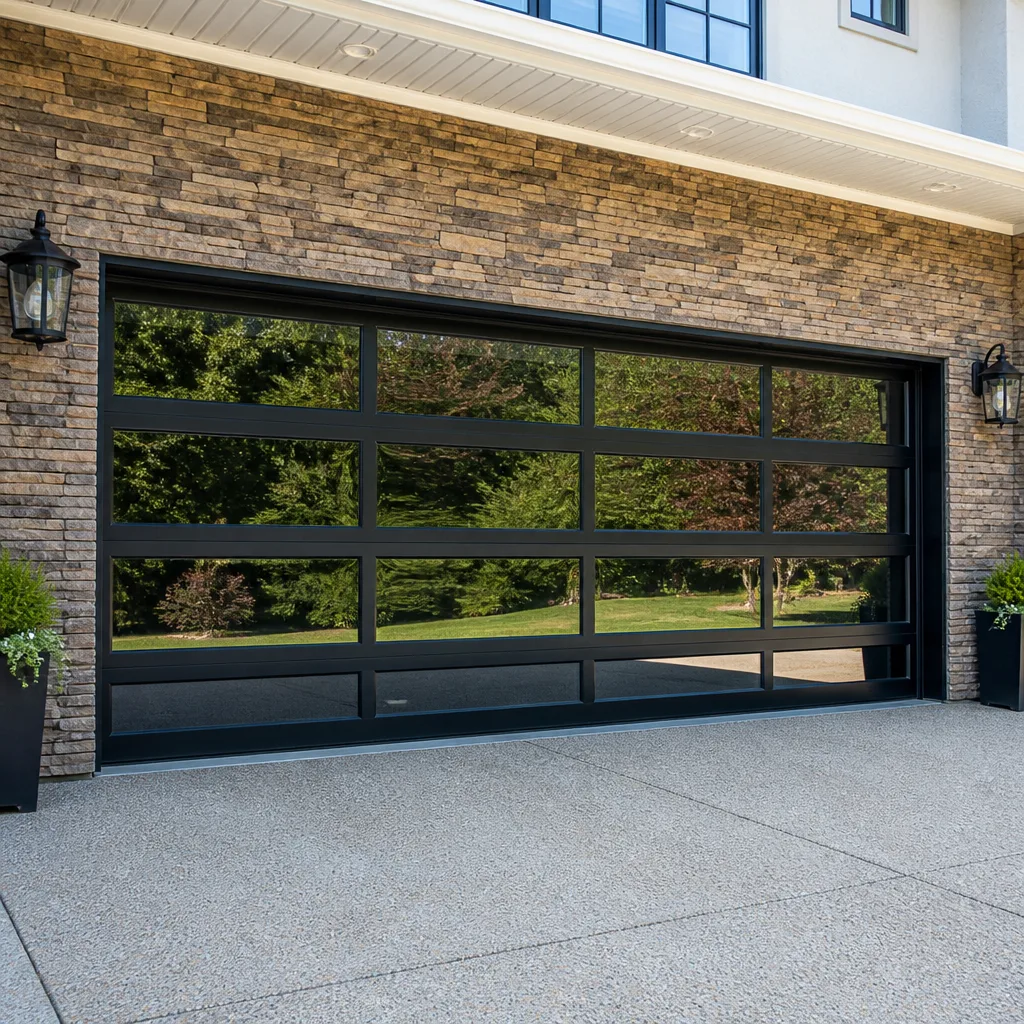 Full-view glass
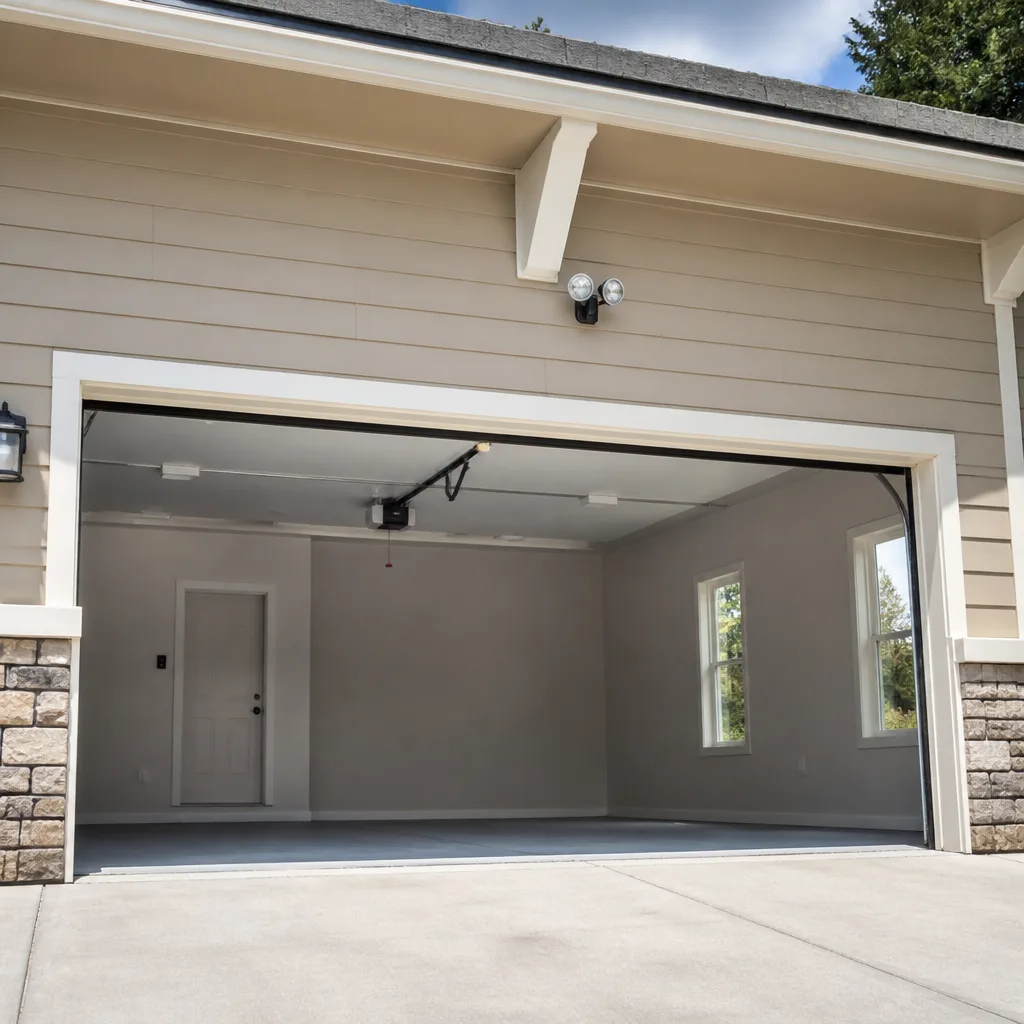 LiftMaster openers
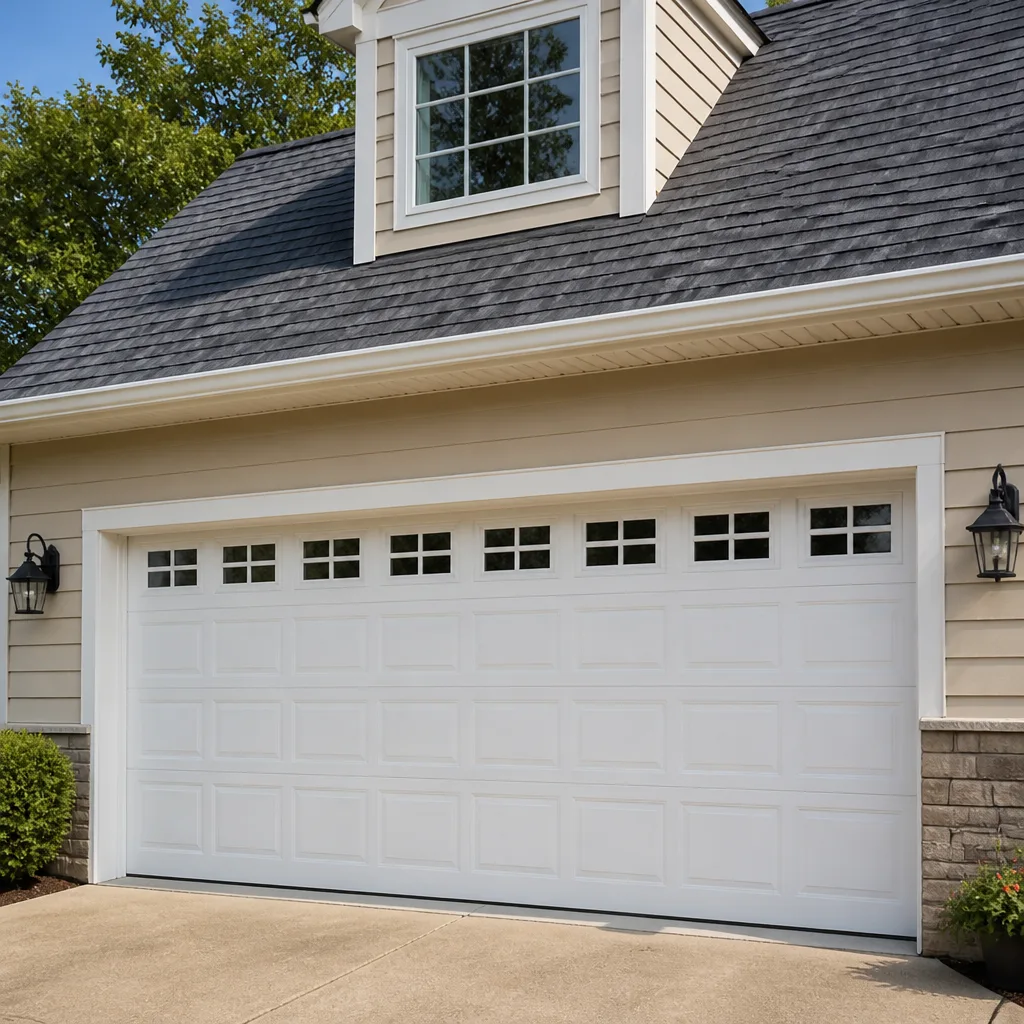 Chamberlain openers
Full 25-point door and opener safety check with every visit - springs, cables, rollers, tracks, and your LiftMaster or Chamberlain opener included
You get a price before we start. It does not change when the pro arrives.
Get your free estimateGarage Door Permits, Codes & Inspections in Cutler Bay, FL: What You Need to Know
Most homeowners assume a garage door swap works like any other quick fix. You buy a door, someone hangs it, and you move on. In Cutler Bay, that assumption causes a slow, quiet problem: unpermitted work that sits in county records and only surfaces years later when you try to sell. Miami-Dade runs one of the strictest building zones in the country, and a garage door falls squarely inside it. This guide explains the actual threshold for a Cutler Bay permit, what a Notice of Acceptance is and how to look one up, how the Miami-Dade process runs from application to final sign-off, and where your responsibility as a homeowner begins and ends. We’ll keep it specific to Cutler Bay, because the rules here aren’t the same as they are two counties north.
Quick Answer
In Cutler Bay, replacing a garage door or changing the opener setup almost always requires a Miami-Dade County permit, while a like-for-like repair using existing parts generally does not. A permit application needs a Notice of Acceptance (NOA) or product approval number proving the door meets the county’s wind-load requirements, and the job isn’t finished until it passes inspection. Skipping that step can complicate a future sale, so confirm with the county’s building department before any door replacement starts.
Styles & brands we work with
- Raised-panel steel
- Carriage house
- Modern flush
- Full-view glass
- LiftMaster openers
- Chamberlain openers
Table of Contents
- When Do You Need a Garage Door Permit in Cutler Bay?
- What Is a Miami-Dade Notice of Acceptance and Why It Matters
- The Miami-Dade Garage Door Permit Process, Step by Step
- What Happens During the Inspection
- How Unpermitted Garage Door Work Surfaces at Resale
- Your Role vs. the Contractor’s Role in Permit Compliance
- Repair vs. Replacement: What Triggers a Permit
- Why Cutler Bay Homeowners Run Into This
When Do You Need a Garage Door Permit in Cutler Bay?
You need a permit when the work changes the door itself, and you generally don’t when you’re repairing a component that keeps the existing door. That’s the simplest way to think about it. Miami-Dade treats a garage door as part of the building envelope, so the line is drawn around replacement and structural change, not around maintenance.
Here’s how the threshold breaks down in practice:
- Permit usually required: replacing the whole door, swapping to a different door size or model, changing the spring or drum system in a way that alters the door assembly, installing a new opener that ties into the door’s load path or safety system, and any change to the tracks or framing that supports the door.
- Permit usually not required: a like-for-like repair using existing parts. Replacing a roller, a hinge, a cable, a weather seal, or swapping a broken spring for a same-spec spring on the existing door. Fixing a misaligned track back to its original position.
- Always ask: anything in between. A new opener on an old door can raise the question of whether the door’s safety reverse is compliant. A repair that involves cutting or moving framing is structural and needs a permit.
The reason the line exists at all is wind. A garage door is one of the largest openings on a house, and in a hurricane zone it has to be rated to resist pressure. Miami-Dade doesn’t take that on faith. It wants to see the product documentation and a passed inspection. So the threshold isn’t arbitrary paperwork; it’s the county confirming that the thing protecting your house is actually rated for it. In our experience, the confusion comes when homeowners hear “repair” and assume it covers replacement. If the door on your house is being switched out for a different one, the answer in Cutler Bay is almost always a permit.
What Is a Miami-Dade Notice of Acceptance and Why It Matters
A Notice of Acceptance, or NOA, is Miami-Dade County’s formal approval showing that a specific product meets the wind-load requirements for its intended use. It’s issued to a manufacturer for a defined product, and it carries a number. That number is the single most important document in a Cutler Bay garage door project, because without a valid NOA, the permit won’t be approved and the door can’t legally be installed as a permitted job.
Think of the NOA as the door’s passport. Every major manufacturer keeps current NOAs for their products, and a properly installed garage door for this county will reference one. In our experience, the NOA is where contractors get sloppy and where homeowners get caught. A door that looks fine on paper can have an NOA that’s expired, limited to a different size, or never covered the model actually spec’d. The county checks. You should too.
How to Look Up an NOA
- Ask the contractor for the manufacturer name and the exact model of the door being installed.
- Ask them for the NOA number that covers that model.
- Look the number up through Miami-Dade County’s product approval records (the county maintains a public database).
- Confirm the NOA covers the door size, series, and installation condition you’re getting.
- Check the expiration date on the NOA. Make sure it’s current for the date installation is scheduled.
If a contractor can’t produce an NOA number for the door they want to install, that’s your signal to slow down. It doesn’t necessarily mean they’re bad at their job; it means the paperwork isn’t in place yet, and the permit will stall until it is. Brands like Amarr and Wayne Dalton maintain current approvals for their residential lines, and a specialist who works in this county should be able to point to the right one without hesitation. If you’re comparing door styles and materials for a replacement, it’s worth garage door repair and replacement know-how from a company that handles the permit as part of the job, because the NOA requirement shapes which doors are actually available to you.
The Miami-Dade Garage Door Permit Process, Step by Step
The permit process runs from application through final inspection, and skipping a step stalls the whole thing. Here’s the sequence as it usually goes for a residential garage door project in Cutler Bay.
- Confirm the scope. Decide whether it’s a replacement, an opener install, or a repair. This determines whether a permit is filed at all.
- Get the product documentation. Collect the NOA number, the manufacturer’s installation instructions, and the door specs. If you’re also changing an opener, gather its approval documentation too.
- Submit the application. The permit application goes to Miami-Dade County’s building department. The contractor typically files this as the licensed party, and the homeowner’s name appears on the application as the property owner.
- Plan review. Not every residential garage door project goes through a full plan review, but where it does, the county reviews the NOA and product details against the scope. Review times vary, so ask your contractor what timeline the county is currently giving for this type of submittal rather than assuming.
- Permit issued. Once approved, the permit is issued and work can be scheduled.
- Installation. The door goes in. The installation itself has to follow the manufacturer’s instructions and the county’s requirements, including the door’s wind resistance and the opener’s safety reverse function.
- Inspection. The county inspects the finished work. The work isn’t accepted until it passes.
- Final sign-off. The permit is closed. That closure is the thing that protects you at resale.
The most common place a project slows down is step two. When the NOA isn’t ready, the application sits. When the application sits, nothing else moves. That’s why a contractor who regularly handles Cutler Bay and south Miami-Dade work will have the documentation process wired in. If your project includes a new opener, some of that equipment needs its own approval documentation, and the closed-permit trail is what ties it all together. When your opener and door are working together, garage door opener repair is the right call for an existing failed unit, but a full replacement of both door and opener is a different permit conversation entirely.
What Happens During the Inspection
The inspection is where the permit stops being paperwork and becomes a real check on the installed door. An inspector confirms the door that went in matches the door on the approved application, and that it was installed per the approved documentation. If the door model differs from what the NOA and application specify, the inspection fails, and the work has to be brought into compliance.
What the inspector is looking for, in general terms:
- The installed door matches the approved model and size.
- The NOA documentation on file covers the door as installed.
- The door’s wind-resistant components and hardware are present and installed as the manufacturer’s instructions require.
- The opener, if part of the scope, meets safety requirements, including the pressure and reverse function.
- The work is complete and accessible for inspection.
The part nobody wants to hear: failing an inspection doesn’t just mean a follow-up visit. It can mean rework, re-submittal, and a delay. In our experience, most failed inspections come down to a mismatch between the door that was approved and the door that went in, or documentation that was never right in the first place. This is why the paperwork step at the front matters so much. A garage door in Cutler Bay is doing a job that goes beyond convenience; it’s part of the wind-protection system of the house, and the county treats it that way. Getting the inspection right the first time is a documentation exercise more than an installation one.
How Unpermitted Garage Door Work Surfaces at Resale
Unpermitted garage door work is quiet until you try to sell. That’s when a title search, a buyer’s inspector, or a buyer’s lender pulls the county’s permit records, and the missing permit shows up. Miami-Dade inspectors flag unpermitted hurricane-zone work during real estate transactions at a rate that surprises most sellers. A replacement door with no permit behind it reads as unresolved work, and the deal has to deal with it.
The remediation path usually involves:
- Discovering the gap during the transaction, often late.
- Applying for a permit after the fact, which is more involved than filing upfront because the county has to review work already done.
- Providing the NOA and product documentation for a door that may not have been tracked at the time.
- Scheduling an inspection of the installed work.
- Correcting anything that doesn’t meet approval, which can mean a second installation.
Each of those steps can stall a sale or push a closing date. A buyer’s lender can also require the permit be closed as a condition of financing. The frustrating part is that none of this shows up until years after the door looked perfectly fine. In Cutler Bay, where hurricane-zone compliance is a live concern for every buyer’s insurer and lender, an unpermitted door is exactly the kind of item that gets pulled. If your garage door is on the older side and you’re unsure whether its installation was ever permitted, ask the county to pull the permit history for the address before any sale conversations start. It’s better to find out on your own terms.
Your Role vs. the Contractor’s Role in Permit Compliance
Hiring a contractor doesn’t transfer all permit responsibility off your plate. The property owner is the one the county holds to compliance. The contractor handles the technical side, but the homeowner is responsible for the property, for ensuring the permit is filed, and for holding the final closed permit after the work is done. That distinction matters in Cutler Bay, because the permit history follows the house, not the contractor.
Here’s how the responsibilities usually split:
- Your role as homeowner: confirm whether a permit is required before work starts, verify the contractor is filing one, ask for the NOA number and look it up, keep a copy of the closed permit, and ask for the inspection record after final sign-off. You’re also the person who should refuse to let work start without a permit in place if one is required.
- The contractor’s role: prepare and file the application, supply the NOA and product documentation, pull the permit as the licensed party, schedule the inspection, and manage any corrections during the process.
- Shared: confirming the scope is accurate before filing, because a scope written wrong at application creates problems at inspection.
The contractor is the one who knows how to get the paperwork through, and that’s most of the work. But the closed permit is your record. The county doesn’t hand it to a resale buyer on the contractor’s behalf; it sits with the property. So it’s worth keeping a file. When a door needs actual repair rather than replacement, the permit question usually doesn’t arise, but the work still needs a technician who knows the system. That’s where a dedicated garage door spring repair specialist earns their keep, because spring work is the most common failure point on a garage door and the most dangerous to attempt without training.
Repair vs. Replacement: What Triggers a Permit
The single most common misunderstanding we see in Cutler Bay is homeowners treating a replacement like a repair. The words sound similar, but the county treats them very differently. A repair fixes something that’s already there. A replacement changes the product on the house, and the county wants documentation for the new product.
Quick comparison:
- A broken spring on an existing door: repair. No permit, because the door remains the same approved product. This does not mean it’s safe to DIY. Springs are under extreme tension, and a garage door spring is one of the most dangerous components in a home to work on without training. Call a technician.
- A cable, roller, or hinge failure: repair. No permit. Same reasoning.
- A new door of the same model and size: replacement. Permit required. The NOA has to cover the door as installed.
- A new door of a different model or size: replacement. Permit required, and the NOA for that model has to be on file.
- A new opener on an existing door: this depends on scope and is worth asking the county about. A straight swap for a unit with the same approvals may be handled one way; a change in opener type or safety configuration may not. When in doubt, ask the building department directly.
- Moving or altering tracks and framing: structural. Permit required.
If you’re planning a replacement, a good specialty garage door company should treat the permit as part of the job, not a separate errand you have to figure out. If you’re planning a repair, ask whether the work is truly like-for-like. If the answer isn’t a clean yes, ask the county.
Why Cutler Bay Homeowners Run Into This
Cutler Bay sits in south Miami-Dade, inside a building environment that has been tuned hard for wind. That tuning shows up in the details: product approvals, inspection steps, and permit records that get scrutinized at every real estate transaction. The county isn’t trying to make garage door replacement harder than it needs to be. It’s making sure the wind-rated products on your house are actually the ones installed and are actually documented.
What that means for you, day to day:
- A garage door here is not decorative. It’s part of the envelope that protects the house, and it has to be rated and installed correctly.
- The paperwork trail matters as much as the door. An installed door with no NOA isn’t a closed project.
- Buyers, lenders, and insurers in this county are used to seeing permit history pulled, so the closed permit is a resale asset.
- Specialty knowledge helps. A contractor who works garage doors all day knows the NOA process, knows the brands that keep current approvals, and knows what an inspector looks for.
The other local wrinkle is the housing stock. South Miami-Dade has a wide mix of homes, and older houses often have garage doors that were installed before the current documentation expectations were as strictly applied. So when a door finally fails on an older Cutler Bay home, the replacement project isn’t only about picking a new door. It’s about bringing the door on that house into the current approval picture, which is a permit conversation. That’s also why we treat spring failure as a serious safety matter, because the same heat and humidity that stress a door over time eventually wear the spring system, and a door that fails at the wrong moment is more than an inconvenience.
Common Mistakes to Avoid
- Assuming a like-for-like door swap needs no permit. It usually does in Cutler Bay, because Miami-Dade treats the door as a rated product and wants documentation for the new one. Ask before you buy.
- Accepting a quote with no NOA mentioned. If a contractor can’t name the NOA number for the door they’re proposing, the permit will stall. Ask for it in writing.
- Letting the work start before the permit is issued. A contractor eager to install may suggest starting now and filing later. That’s the pattern that turns into an unpermitted door.
- Not checking the NOA’s expiration. An expired approval is not a valid one. The number has to cover the door at the time it’s installed.
- Filing for a door model that changes between approval and install. A last-minute model swap breaks the inspection. Fix the documentation before the install date, not after.
- Skipping the inspection because the door “looks right.” The final sign-off is what closes the permit. Without it, the file stays open.
- Throwing away the closed permit. Keep the paperwork. It’s the record that protects you when you sell.
See the difference
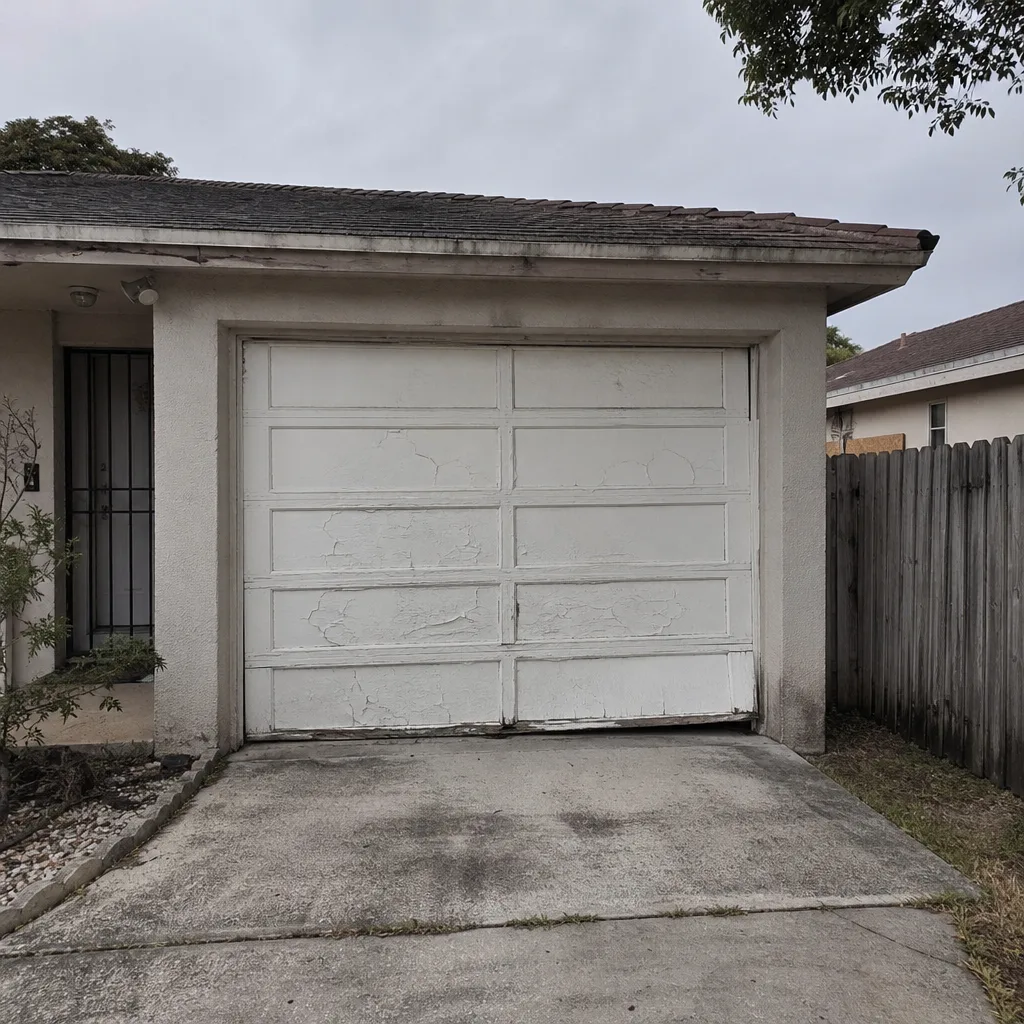 Before
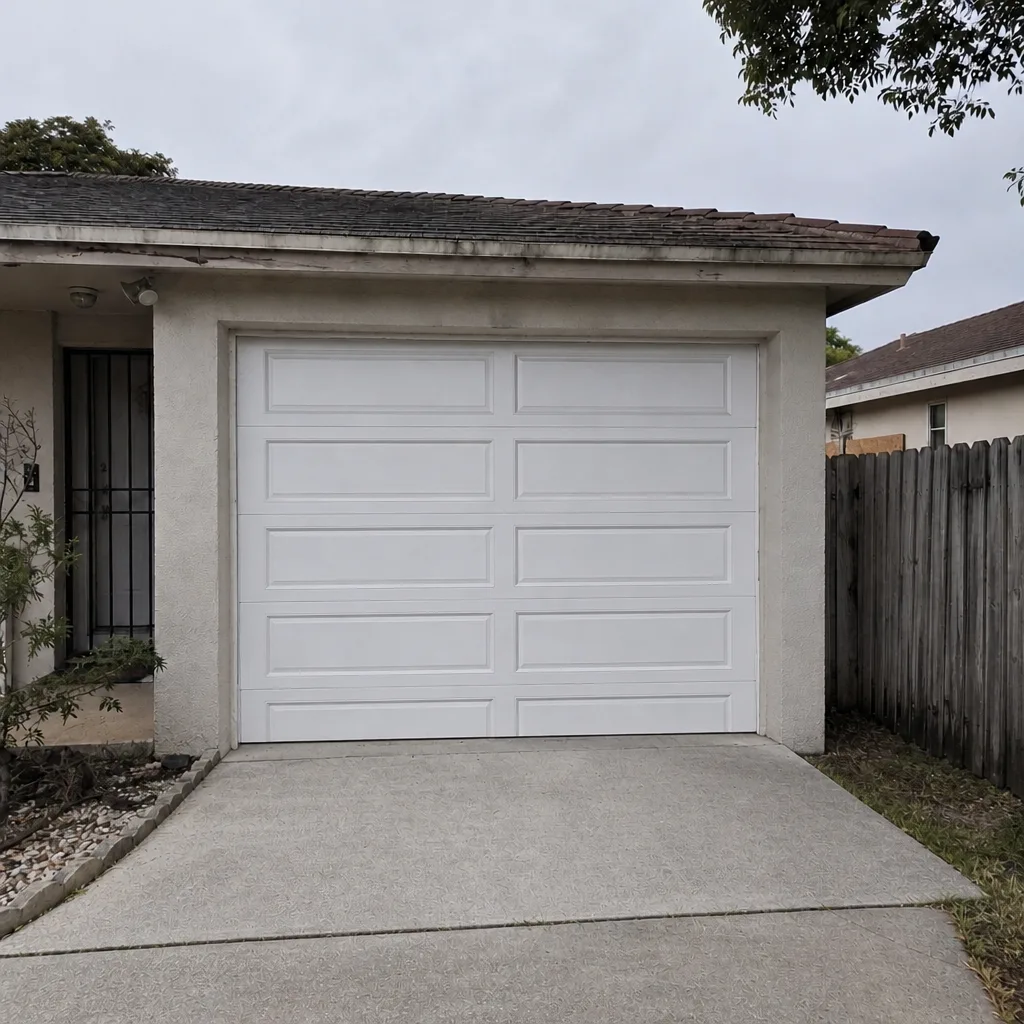 After
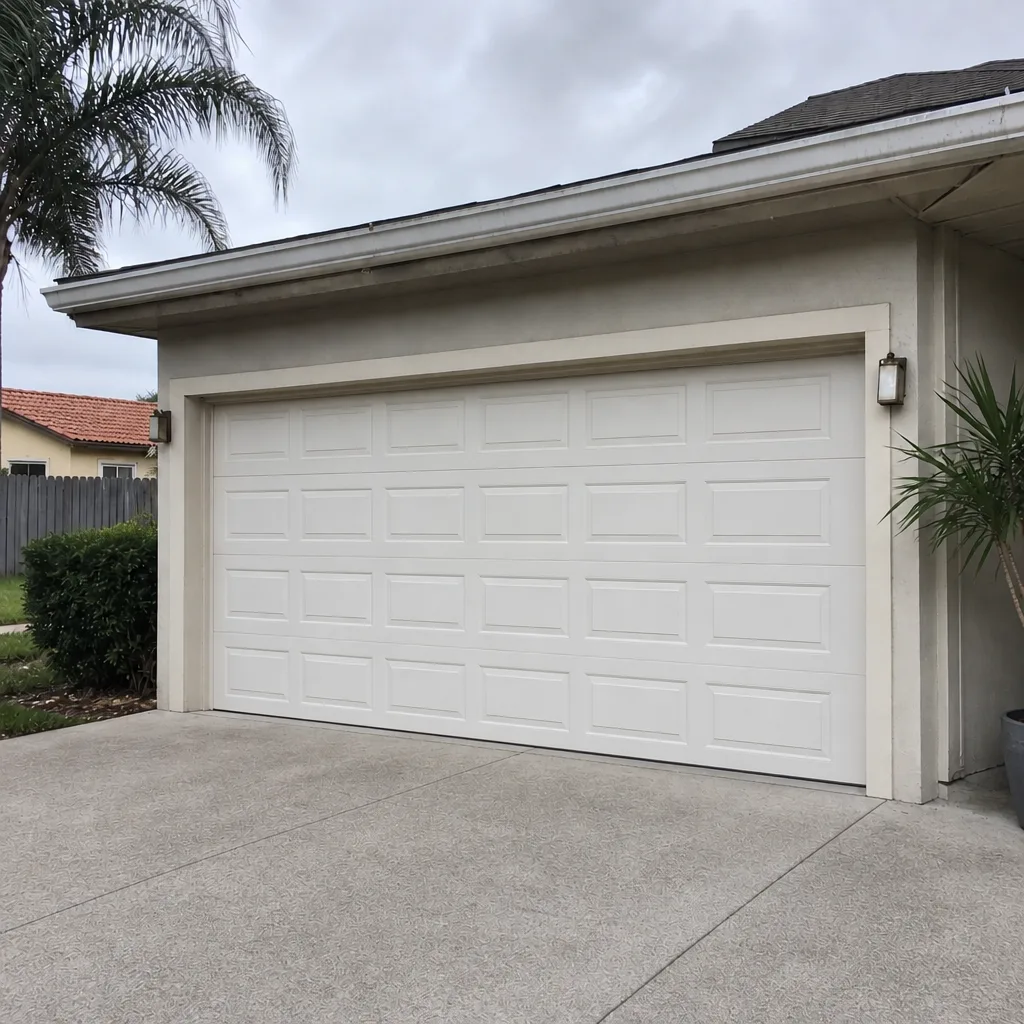
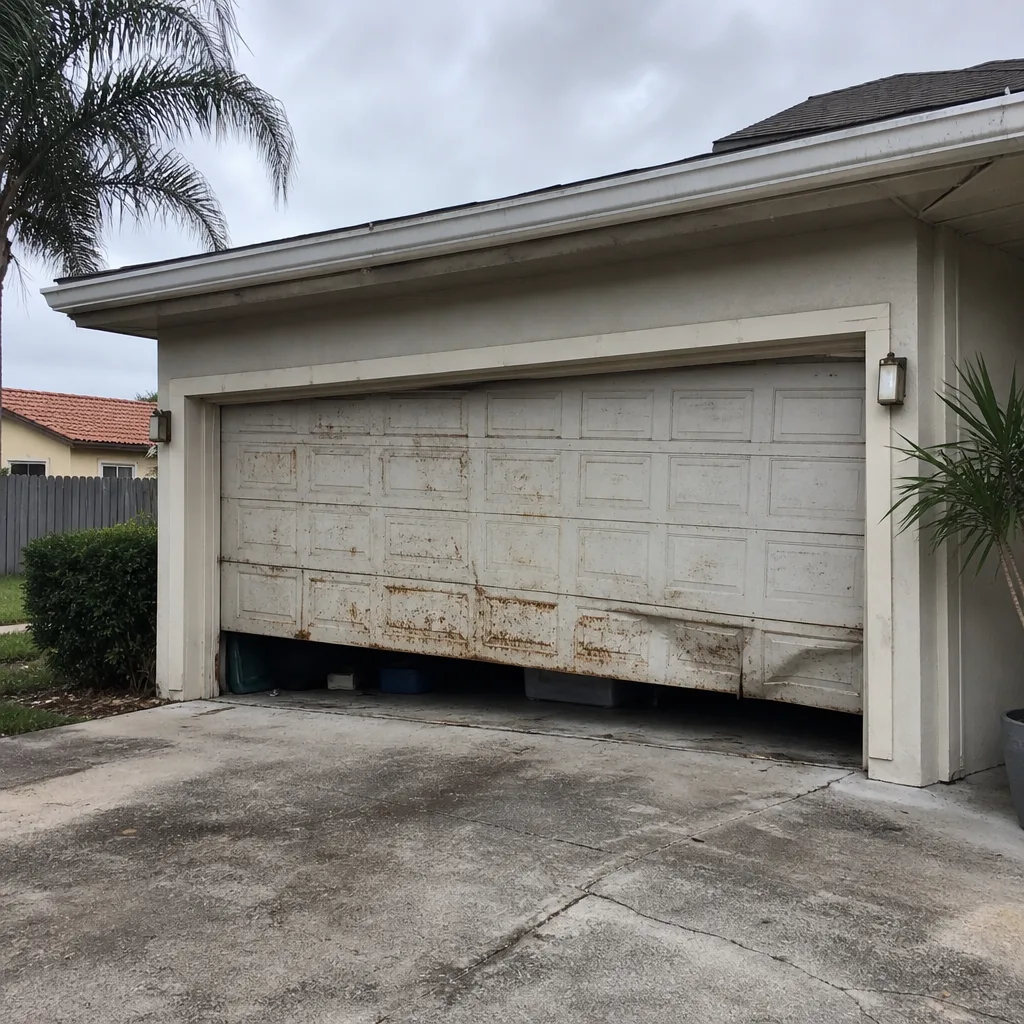 Before
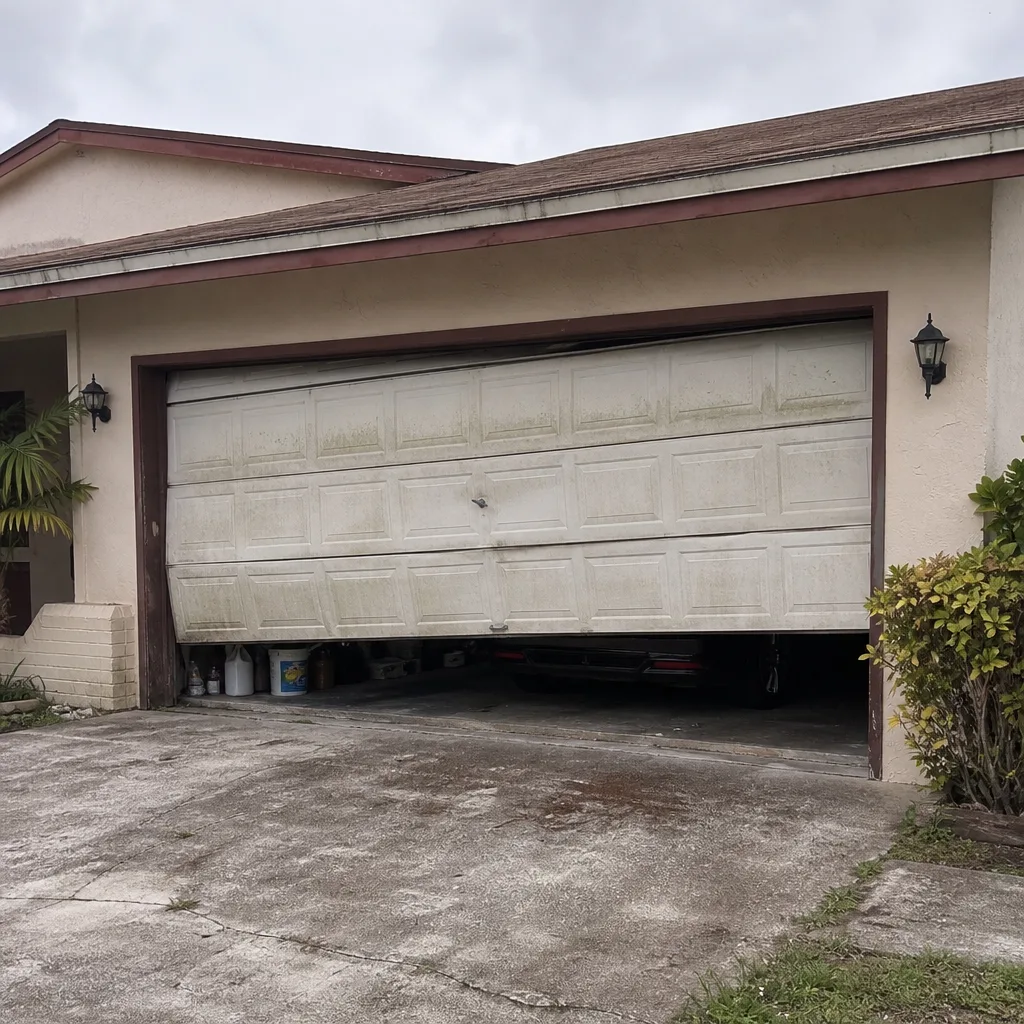
 After
 Before
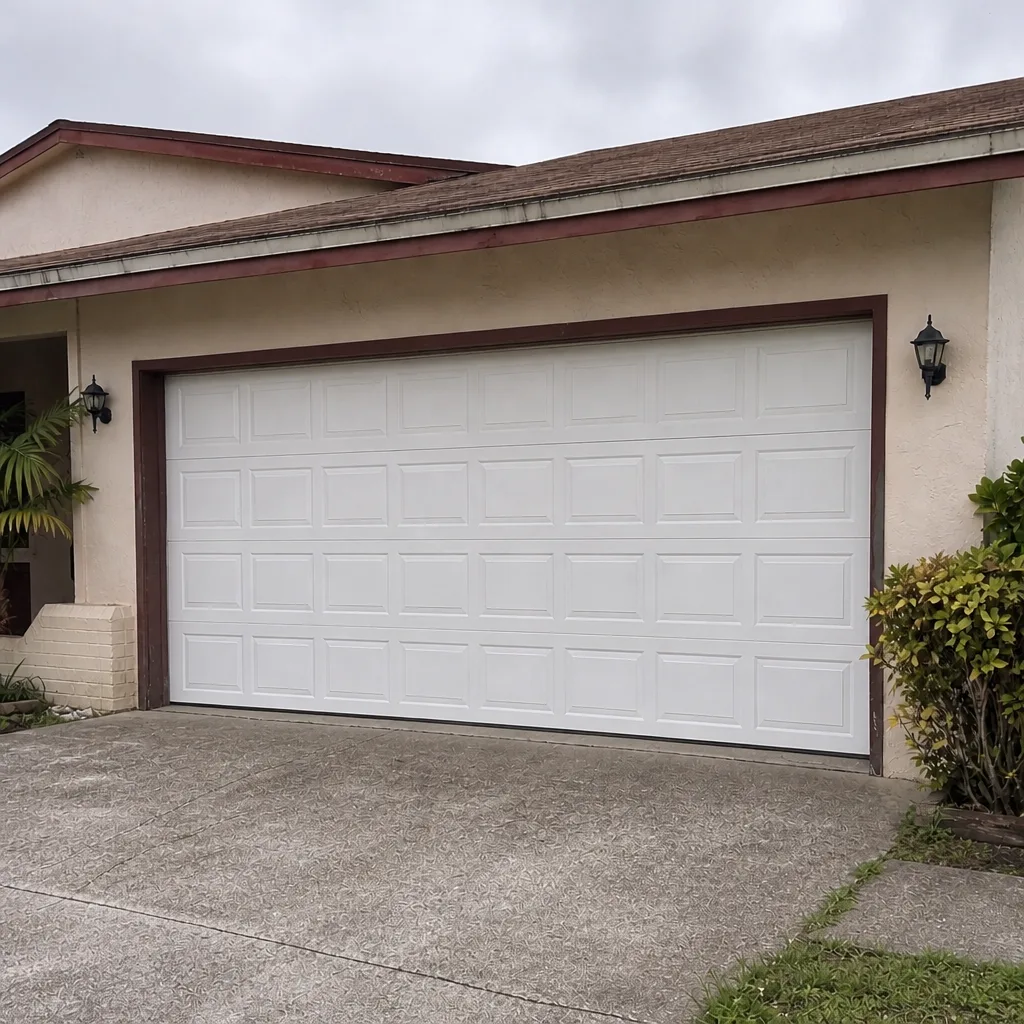 After
When to Call a Professional
Call a professional for any garage door replacement, any change in door model or size, any opener replacement where the safety configuration changes, any repair involving springs or cables, and anything structural. Springs and cables in particular are dangerous to touch, and no DIY guide can make them safe. Call us when a door won’t open, when the opener fails, when the door looks out of alignment, or when you’re planning a replacement and don’t know where the permit process starts. Cutler Bay Garage Door Repair Pros offers free estimates in Cutler Bay. Our technicians have up to 14 years of experience installing and servicing doors from Amarr, Wayne Dalton, Craftsman, Raynor, Clopay, LiftMaster, Chamberlain, and Genie, and we handle the NOA documentation as part of the project rather than handing you a list of things to chase. When the door isn’t going anywhere, call (877) 492-2550 and we’ll help you work out whether you’re looking at a repair or a replacement.
Frequently Asked Questions
Yes, in most cases. Miami-Dade County treats a garage door replacement as permitted work, and the application needs a Notice of Acceptance or product approval number for the door being installed. A like-for-like repair using existing parts usually does not need a permit, but confirm with the county’s building department if the scope is unclear. Call (877) 492-2550 for a free estimate on the replacement itself.
A Notice of Acceptance (NOA) is Miami-Dade County’s formal approval showing a specific product, such as a garage door, meets the county’s wind-load requirements. It’s issued to the manufacturer with a number. To look one up, ask your contractor for the manufacturer, model, and NOA number, then check that number in Miami-Dade’s product approval records and confirm it covers your door’s size and series and is current. Ask your contractor for the number in writing.
You can list it, but the sale process often runs into the problem. Buyers’ inspectors, lenders, and title searches pull permit records, and a replacement door with no permit behind it shows up as unresolved work. Remediation can stall a closing, so pull your permit history before a sale and plan for it. Call (877) 492-2550 to help sort out what a replacement project should have included.
There’s no single timeline, because it depends on whether the project goes through a full plan review and how the county is handling submittals at that moment. Ask your contractor for the current timeline for this type of residential permit, and don’t assume a number you were told last year still applies. The application isn’t approved until the county issues it, and the project isn’t closed until it passes inspection.
Spring replacement on an existing door is typically a repair and does not trigger a permit, because the door itself isn’t being replaced. That doesn’t make it safe to handle on your own. Springs are under extreme tension, and a trained technician should handle them. Call (877) 492-2550 and we’ll help you get it fixed properly.
If the installed door doesn’t match the approved application or the NOA doesn’t cover the door as installed, the inspection fails and the project has to be brought into compliance, which can mean rework, a re-submittal, or a second installation. This is why the documentation should be confirmed before work starts, not after. Ask your contractor for the NOA and the door model in writing ahead of the install. For the installation itself, call (877) 492-2550.
The Bottom Line
Garage door permits in Cutler Bay come down to one idea: the county wants proof that the door on your house is the approved product, installed the way it’s supposed to be. Replacement almost always triggers a permit. A like-for-like repair using existing parts usually doesn’t. The Notice of Acceptance is the document that ties the whole thing together, and the closed permit is the record that protects you at resale. Getting the documentation right before work starts is the difference between a clean project and a problem that surfaces years later. When you’re planning a replacement, work with a specialist who treats permits as part of the job, not a separate errand. That’s what we do. You can read more about our work at Cutler Bay Garage Door Repair Pros, and if you need a free estimate or just want to talk through whether your project requires a permit, call (877) 492-2550. We’ll walk you through the scope, the NOA, and the next step.
Written by the team at Cutler Bay Garage Door Repair Pros.