Last updated November 22, 2026
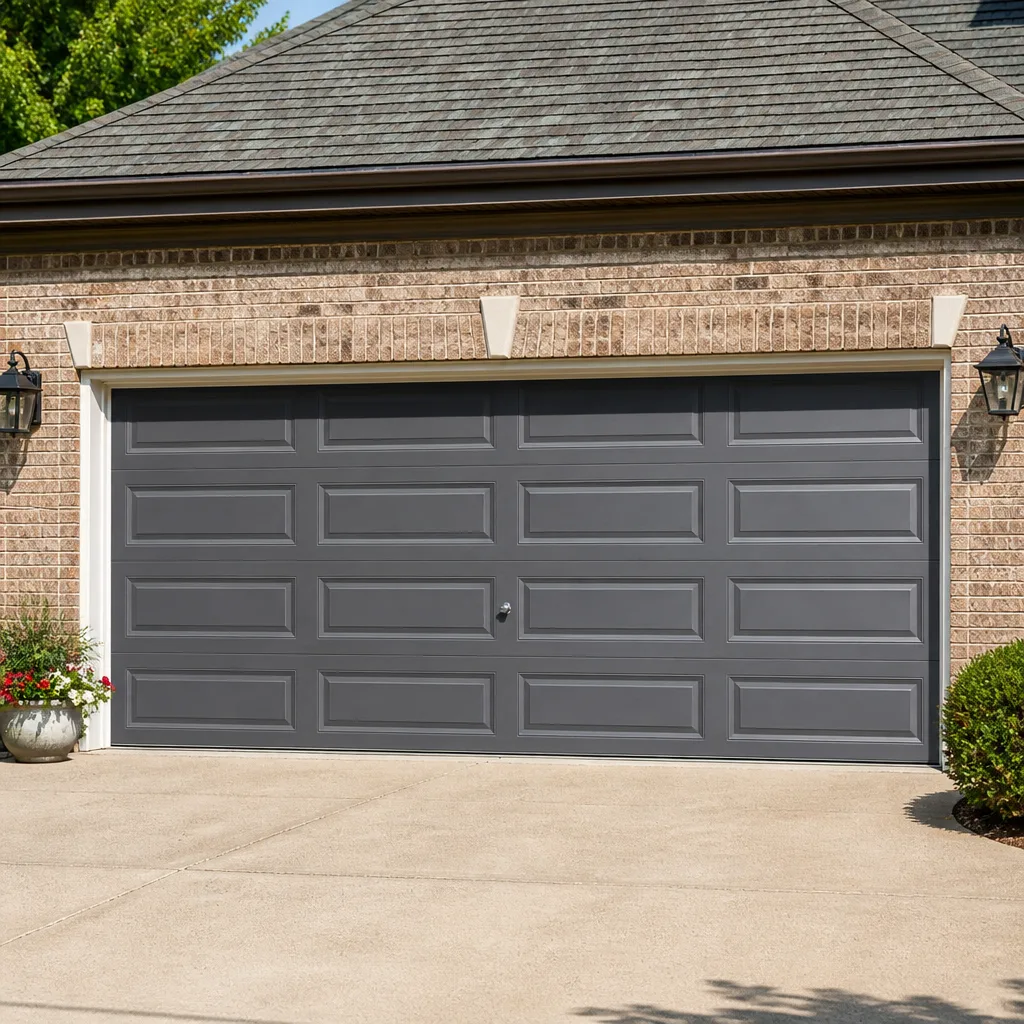 Raised-panel steel
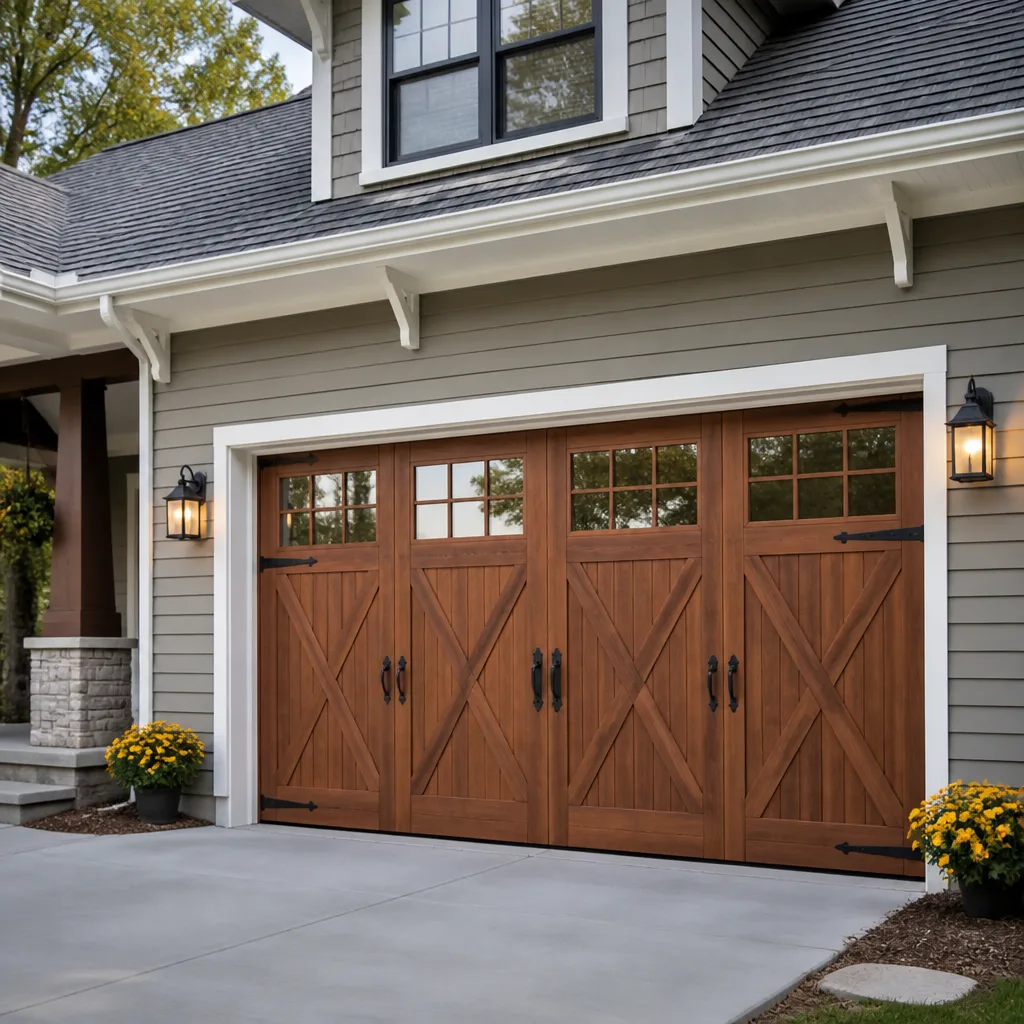 Carriage house
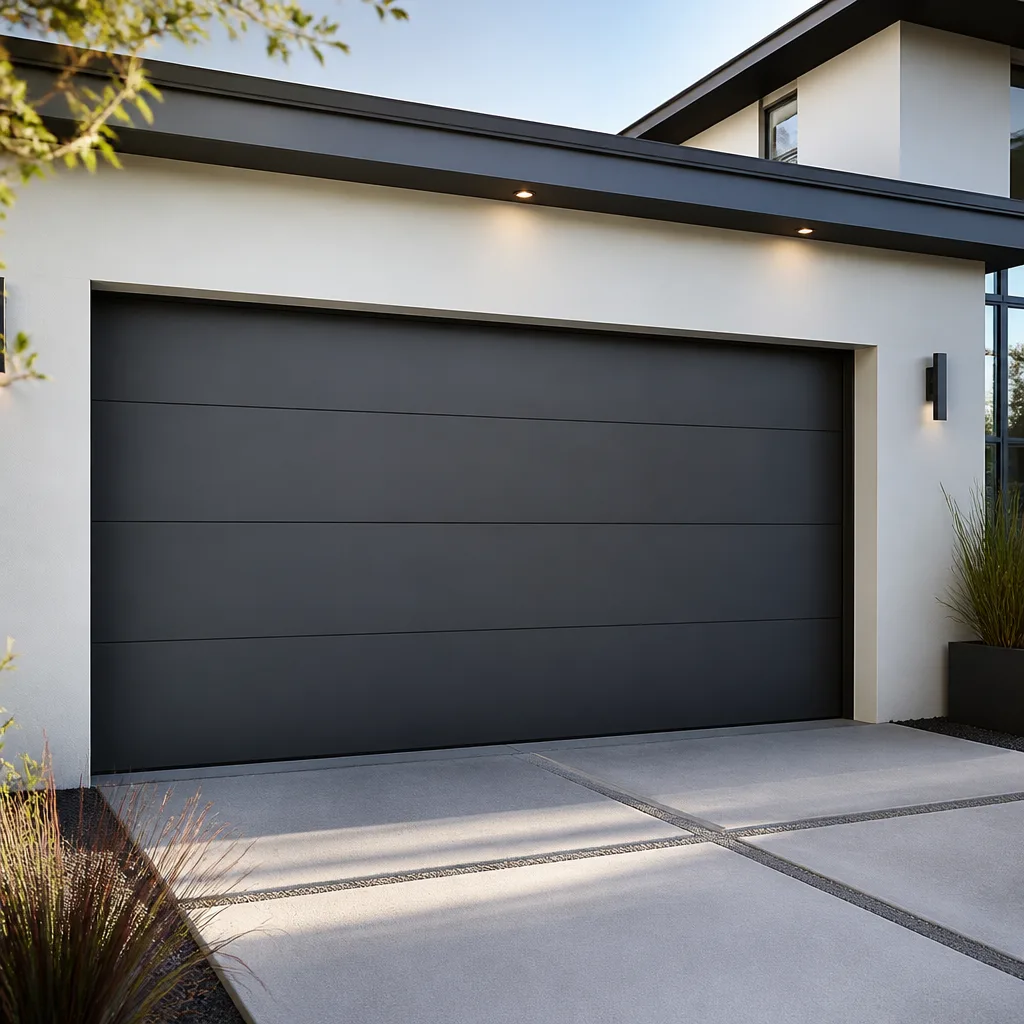 Modern flush
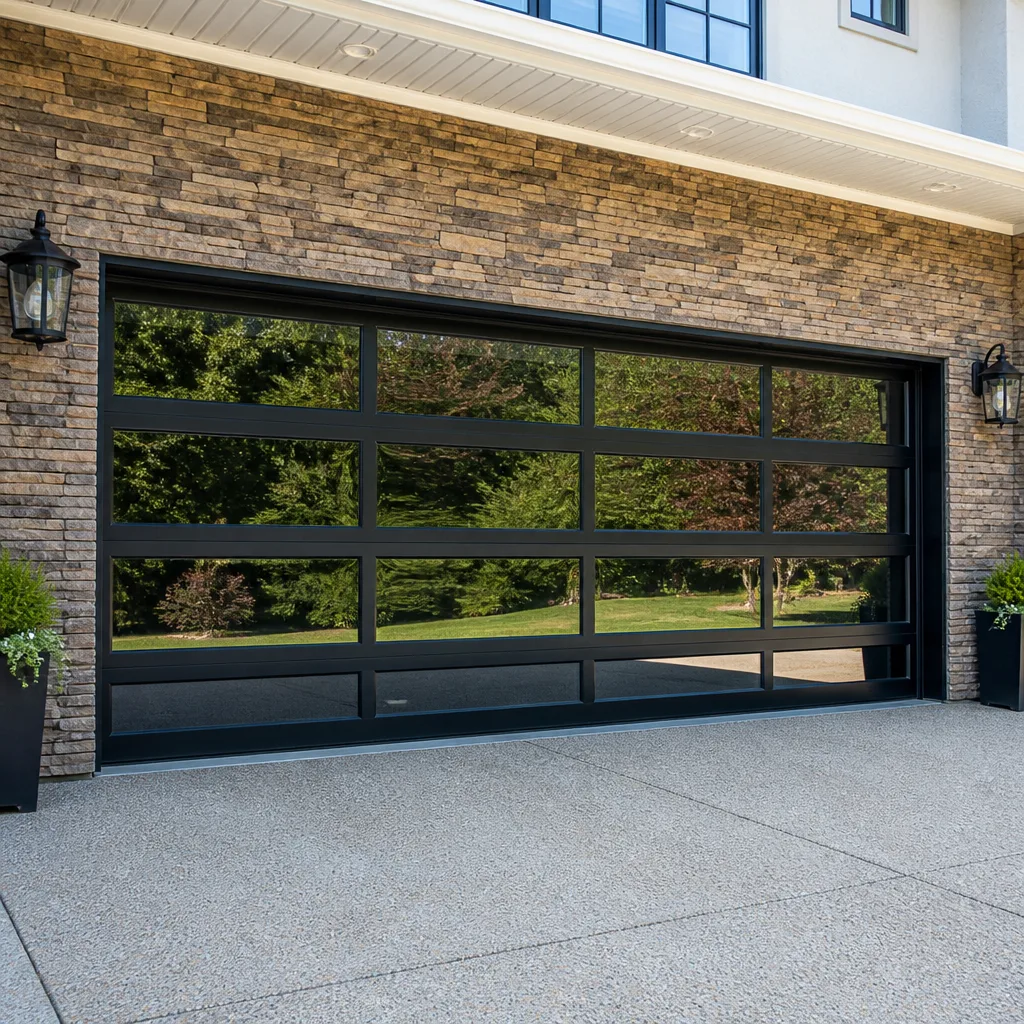 Full-view glass
 LiftMaster openers
 Chamberlain openers
Full 25-point door and opener safety check with every visit - springs, cables, rollers, tracks, and your LiftMaster or Chamberlain opener included
You get a price before we start. It does not change when the pro arrives.
Get your free estimateGarage Door Repair Troubleshooting in Cutler Bay: Common Problems and How to Fix Them
A door that reverses before it ever touches the floor and a door that won’t move at all look like the same problem from the curb. They aren’t. One is usually a sensor telling the opener something is in the way. The other is a door that has lost the mechanical force holding it up, and it will often fail again in the same way until the actual component is replaced. Confusing those two symptoms is the most common DIY mistake we see, and it sends a lot of people to the wrong part of the door with a ladder and a wrong assumption. This guide teaches you to diagnose by elimination, the way a specialist traces a fault on-site in Cutler Bay: symptom first, then the component behind it, then the decision about whether you should touch it at all.
By the end, you’ll know which behaviors are safe to check yourself, which are an immediate hands-off, and what to record before you call so the technician arrives with the right part instead of a second appointment.
Quick Answer
Most garage door failures in Cutler Bay come down to one of four things: a broken or fatigued spring, a misaligned safety sensor, a track or roller problem, or an opener that has lost its settings or reached the end of its life. You diagnose which one by matching the symptom to the component rather than guessing. Anything involving spring tension, cables, or the torsion assembly at the top of the door is a stop-and-call situation, not a homeowner repair.
Styles & brands we work with
- Raised-panel steel
- Carriage house
- Modern flush
- Full-view glass
- LiftMaster openers
- Chamberlain openers
Table of Contents
- Symptom-to-Component Mapping: The Decision Tree
- The Two Checks to Do Before You Blame the Opener
- How South Florida Humidity Affects Your Door’s Hardware
- Why Your Door Grinds, Squeals, or Shudders
- A Door That Opens Crooked or Jams Partway
- Safe to Investigate vs. Call Immediately
- What to Document Before You Call
- Can You Get a Cutler Bay Door Fixed the Same Day?
Symptom-to-Component Mapping: The Decision Tree
Diagnosing a garage door starts with the symptom, not the part. A specialist walks up, listens, watches the door run, and works backward from the behavior to the failing component. You can use the same logic before you touch anything. The point isn’t to fix it in one pass; it’s to stop guessing and isolate the part.
Here’s the mapping we use on a first visit:
- The door reverses before reaching the floor. Almost always the safety sensors, not the opener motor. Photo-eyes that are misaligned, dirty, or blocked by a spider web or yard debris tell the opener to reverse, and the opener obeys.
- The door reverses on the way up, or stops halfway. Usually a force or travel-limit setting on the opener, sometimes a binding track or a roller that’s come loose.
- The door won’t move at all, and the opener hums or clicks. Either the manual release was pulled (disengaging the door from the carriage) or a spring has failed and the opener can’t lift the dead weight.
- The door grinds, screeches, or shudders as it moves. Rollers, hinges, and track alignment. In Cutler Bay, this is often the first sign that grit and humidity have worn a roller or warped a track.
- The door opens crooked, with one side higher than the other. A broken spring on one side of a two-spring system, a stretched cable, or a bent track.
- The door slams shut instead of lowering smoothly. Spring tension or a damaged bottom seal, sometimes a worn opener gear.
The pattern to remember: if the symptom is about when the door reverses, look at the sensors and settings. If it’s about how the door moves, look at the mechanical side – springs, cables, tracks, rollers. That split alone narrows the problem in most homes we see in Cutler Bay, from Lakes by the Bay to Old Cutler Road.
The Two Checks to Do Before You Blame the Opener
Before you assume the opener motor is dead, do two checks. Both are safe, both take a few minutes, and together they rule out the two most misdiagnosed problems we see: sensor misalignment and a door that’s been manually disconnected. Skip the ladder and stay off the door; these are ground-level checks.
Check one: photo-eye alignment. The safety sensors sit a few inches off the floor on each side of the door, one sending an invisible beam to the other. If the beam is broken or misaligned, the opener won’t close the door reliably.
- Look at both sensors. Each has a small indicator light; if one is off, flickering, or a different color than the other, that’s your first clue.
- Wipe the lens on both sensors with a dry cloth. Yard dust, pollen, and bug activity have a way of settling on them.
- Confirm nothing is in the beam’s path, including a broom, a recycling bin, or a settling mat.
- If one sensor’s light is out, check that its wiring is snug at the terminal and hasn’t been clipped by a lawn tool.
- Once both lights read steady, run the door down and watch it. If it now closes cleanly, you’ve isolated the problem to alignment.
Check two: the manual disconnect test. This tells you whether the opener is failing or the door itself can’t move freely. With the door closed, pull the red release handle hanging from the opener rail to disconnect the door from the carriage. Then lift the door by hand about a foot and let go.
- If the door stays put or rises easily with light pressure, the door’s balance is fine and the opener is a suspect.
- If the door drops hard, feels extremely heavy, or won’t stay up, the spring system or balance is the problem, and the opener is fine.
Re-engage the carriage afterward by running the opener until it reconnects, and stop there. If the balance is off, don’t run the door up and down to check again. That points straight at a spring, which is a garage door spring repair call and not a do-it-yourself project.
How South Florida Humidity Affects Your Door’s Hardware
Cutler Bay sits in a hot, humid climate, and that changes which parts fail first compared to the drier parts of the country that most troubleshooting guides are written for. National advice assumes a door that stays dry for most of the year. Here, the metal is working in warm, moist air almost every month, and that shifts the wear pattern.
What we see on doors around Cutler Bay:
- Track corrosion at the fasteners and seams. Steel tracks in a humid climate start to pit and rust first where they’ve been drilled or screwed into the framing. Once a track is pitted, rollers drag on the rough surface and the door starts to shudder and fight the opener.
- Spring fatigue over time. Steel springs that live in humid air at consistently warm temperatures can lose tension faster than springs in a dry, cooler climate. A spring doesn’t just snap; it can weaken gradually, and you’ll notice the door getting heavier and the opener laboring before anything breaks.
- Sticking hinges and dry rollers. Hinge pins in a humid climate corrode and stiffen. A door that opened smoothly a season ago can suddenly sound like it’s full of gravel, and a hinge that’s seized can put sideways load on the track.
- Warping and seal wear. Wood-look doors and their bottom seals take on moisture and lose their fit, which lets in rain and drives the door’s balance off over a season or two.
You can’t stop the humidity, but you can slow the wear. Light lubrication on the rollers, hinges, and the opener rail, done a couple of times a year, keeps moving parts from seizing. A quick visual on the track and spring assembly every few months catches corrosion early. What you can’t lubricate away is spring fatigue; that’s a scheduled replacement, which is why we treat springs as a named specialty rather than an afterthought. A sluggish, heavy door in Cutler Bay is worth a look before the spring has a chance to fail outright.
Why Your Door Grinds, Squeals, or Shudders
Noise almost always comes from the mechanical path the door travels, not from the opener motor itself. The opener just moves the door; if the door is dragging, the opener pushes harder and the whole assembly complains. That’s why a door that grinds keeps grinding after a new opener motor, and why finding the drag first saves you a replacement you didn’t need.
The likely sources of grinding, squealing, or shuddering, in order of how often we find them:
- Dry or worn rollers. Steel rollers corrode and flat-spot in a humid climate; nylon rollers wear smooth and quiet until they crack. A roller with a flat spot thumps once per revolution, which is the shudder you feel more than hear.
- Bent or misaligned track. A track knocked out of line catches the roller and grinds it against the rail. This often follows a bumper bump or a door that’s been run into an obstacle.
- Loose hinges and fasteners. A hinge whose screws have backed out rattles and squeaks, and a bracket that’s come loose lets the door shift as it moves.
- Worn opener gear or rail. The drive gear in an older opener wears a conical shape over time and starts to grind. Here you’re hearing the opener itself, and it’s usually time to look at a new unit.
- Spring assembly contact. If the torsion tube or a spring is loose in its fitting, the door shudders as tension releases. Treat this one as a hands-off, because it sits on the spring system.
A quiet door is a door whose parts are aligned and lubricated. If you’re hearing a sound you didn’t hear last season, watch the door run from the ground, note the point in the travel where the noise starts, and jot it down. That timing, top, middle, or bottom of travel, tells a technician where to look before they even arrive.
A Door That Opens Crooked or Jams Partway
A door that rises crooked, with one side climbing faster than the other, is out of balance. On a two-spring system, one side losing tension pulls the door out of level. On a single-spring system, a stretched or slack cable on one side does the same thing. A door that jams partway has usually caught a roller on a track that’s out of line or a hinge that’s collapsed.
This symptom deserves special care in Cutler Bay because a crooked door at the start of the hot, humid season tends to get worse fast. The extra humidity loads the seals, the door gets heavier, and the out-of-balance side drags the track a little more each cycle.
What a crooked or jamming door usually means, and what to do:
- Watch it run once and stop. Note which side rides higher and whether the door stops at the same point each time. Don’t run it repeatedly to confirm; every awkward cycle puts more load on the off-side.
- Rule out an obstacle. A warped bottom seal, a warped panel, or a tool left on the track will jam a door. A quick look along the track and across the floor catches that.
- Leave the spring and cable side alone. A bent track or loose roller is a repair to schedule. A slack cable or a spring that’s lost tension is a safety call and should stay closed and untouched until a technician is on site.
- Book the repair before the door’s used again. A crooked door that runs a few more times can chew through a roller and bend a track section, and the repair gets bigger.
The repair itself is usually a track adjustment, a hinge or roller replacement, or a spring replacement on the affected side. If you want the everyday repair path, start with garage door repair and a technician will confirm the actual cause before touching anything.
Safe to Investigate vs. Call Immediately
This is the part of troubleshooting that matters most, so read it before you do anything else. Garage doors carry a lot of stored energy in the springs, and that energy doesn’t care who’s standing in front of it. Our technicians have up to 14 years of experience, and the injuries we hear about in this trade come from homeowners reaching for a part that looked simple. Spring failure is dangerous. Leave it to a trained technician.
Safe to check yourself:
- Whether the safety sensors’ indicator lights are steady or misaligned.
- Whether the manual release handle is hanging and the carriage is engaged.
- Whether a paint can, broom, or bin is sitting in the door’s path.
- Whether the door’s balance feels normal with the manual disconnect pulled (lift a foot and let go).
- Whether a visible obstacle, a bent bottom seal, or a loose hinge bolt is the obvious cause.
- The sounds the door makes, and when in its travel they happen.
Call a technician immediately, hands off:
- Any visible break or gap in a spring, or two spring coils that no longer sit level with each other.
- A door that drops hard or won’t stay open when you lift it by hand.
- Slack or tangled cables, or a cable that’s come off its drum.
- The torsion assembly at the top of the door, or the drums at either end of the shaft.
- A door that’s come off its track and is hanging or wedged.
- A door that opens or closes on its own, or cycles at odd times (which can point at a safety or wiring issue in the opener).
If your door is stuck open and it’s dark, that’s an emergency call, which we offer as a named, committed service and not as a “we’ll try to fit you in.” When the door won’t move, we move fast. A door that can’t close is a security problem, and a door with a broken spring shouldn’t be opened or closed at all.
What to Document Before You Call
The single most useful thing you can do before calling is describe the symptom and where you saw it, not diagnose the cause. A technician who knows up front what the door is doing can bring the right rollers, hinges, springs, or opener part on the first visit instead of booking a second appointment. On a high-use door, that difference matters.
Here’s what to have ready when you call:
- The exact behavior. “The door reverses about two feet off the floor,” not “the door is broken.” Timing and direction tell a technician a lot.
- Whether the opener is involved. Does the motor hum, click, or run? Is the manual release pulled? Does the door work by hand with the opener disconnected?
- The brand and model where you can find it. A sticker on the opener head or the door’s edge often carries it. We work on the major brands, so LiftMaster, Chamberlain, Genie, and Craftsman openers, plus Clopay, Amarr, Wayne Dalton, and Raynor doors, are all familiar ground. Knowing which you have tells us which quirks to expect.
- What you’ve already checked. If you reset the breaker, wiped the sensors, or re-engaged the carriage, say so. It saves steps.
- Any sounds or smells. Grinding, a popping sound, a burnt smell from the opener motor, a snap that happened just before it failed.
- Whether the door closes at all. This tells us whether the call is urgent or can be booked.
That’s the checklist a Cutler Bay tech is mentally running before the visit. Give us those answers and the visit gets shorter. Under-supply and the tech walks in cold, which costs one of the two of you time.
Can You Get a Cutler Bay Door Fixed the Same Day?
Often, yes. Spring failure and sensor problems are the two most common calls we get, and both are same-day repairs when parts are on the truck and the technician can get to the door. A blown spring and a misaligned sensor are routine, and a repair call like that can be dispatched fast, with fast dispatch from 7am to 7pm and a strong local reputation behind the technician. An opener that’s failed or a door that’s come off its track are also typically same-day for repair.
Same-day isn’t the promise for everything, though. If the door needs a new panel, a whole new door, or a smart opener installation, that’s a measured, ordered job: a free measure, a written price, and a scheduled install. Promising same-day on a new door would be a promise we couldn’t keep. What we can tell you is that a repair call goes out fast, and a replacement is planned properly.
- Same-day, usually: broken spring, misaligned photo-eye, loose or broken roller, bent track section, opener that won’t respond.
- Scheduled with a free measure: new door installation, panel replacement, new opener install, smart-home opener upgrade.
- Emergency response: a door stuck open or off its track, a door that can’t close, a spring that’s broken and left the door hanging.
When it comes to the opener itself, a tech may need to swap a sensor, reset the travel limits, or replace the unit. garage door opener repair covers all of those, from LiftMaster and Chamberlain units to older Genie and Craftsman openers that have outlived their settings.
Common Mistakes to Avoid
- Forcing a stuck door by hand. Some Cutler Bay doors are heavy enough that forcing them bends a panel and chews the track. If the door won’t lift freely, stop; that’s a sign the spring or balance is off, not that it needs a stronger pull.
- Assuming a dead opener is a dead motor. Nine times out of ten, a door that won’t respond is a manual release that’s still pulled or a sensor that’s misaligned. Check both before you price a new opener.
- Ignoring a symptom that’s “working for now.” A door that reverses on one side, or a clicking opener, gets worse with the humid season, not better. The cheap repair now is the expensive one later.
- Trying to adjust spring tension. This is the one that sends people to the emergency room. A torsion spring is under heavy tension, and the tools used to adjust it are specific to the job. Don’t touch it.
- Lubricating the wrong parts. Heavy grease on a track collects grit and makes the drag worse. A light, proper lubricant on rollers and hinges keeps things moving; grease on the track doesn’t.
- Calling with only “it’s broken.” Without the symptom, a technician packs a generic kit and may have to come back with the right part. A minute of notes on the call saves a return trip.
- Repeatedly cycling a failing door to test it. A door with a broken spring or a badly slack cable takes more damage every cycle. Watch it once, then leave it.
See the difference
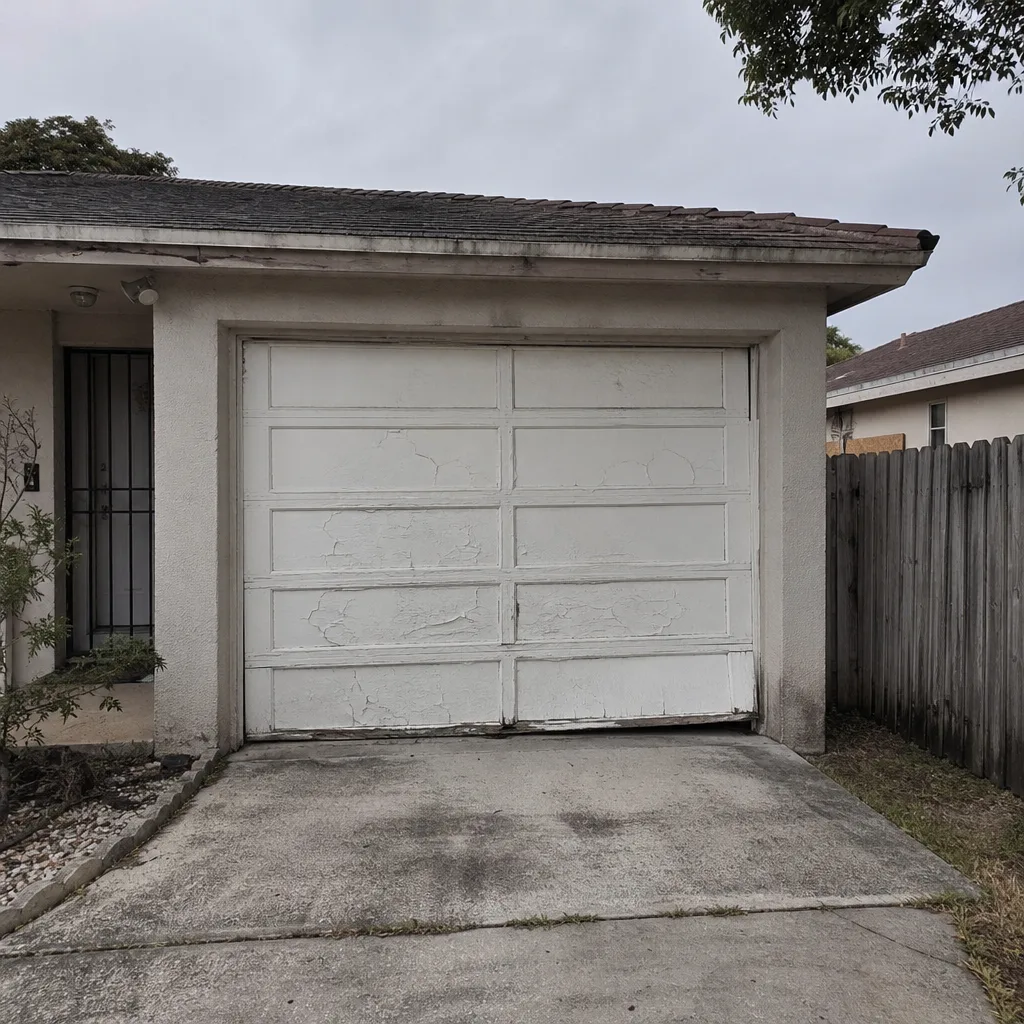 Before
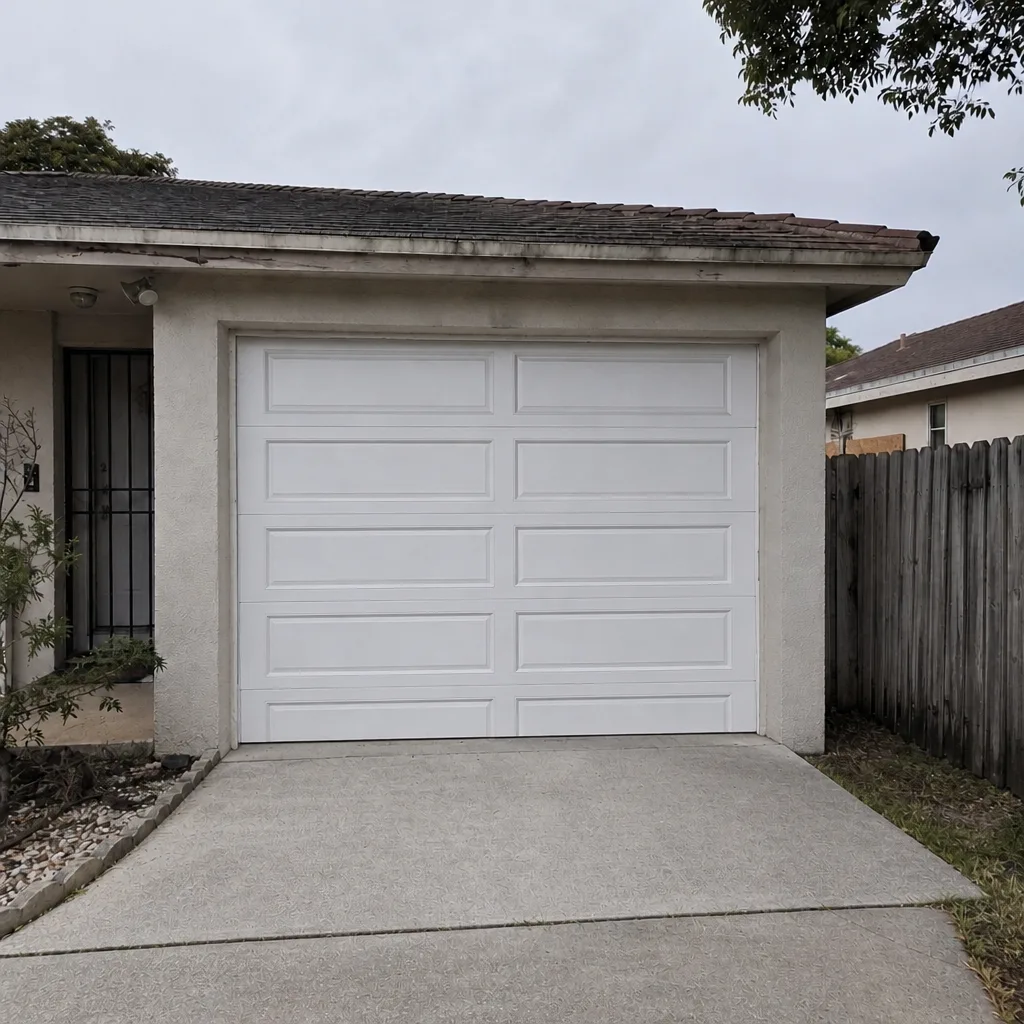 After
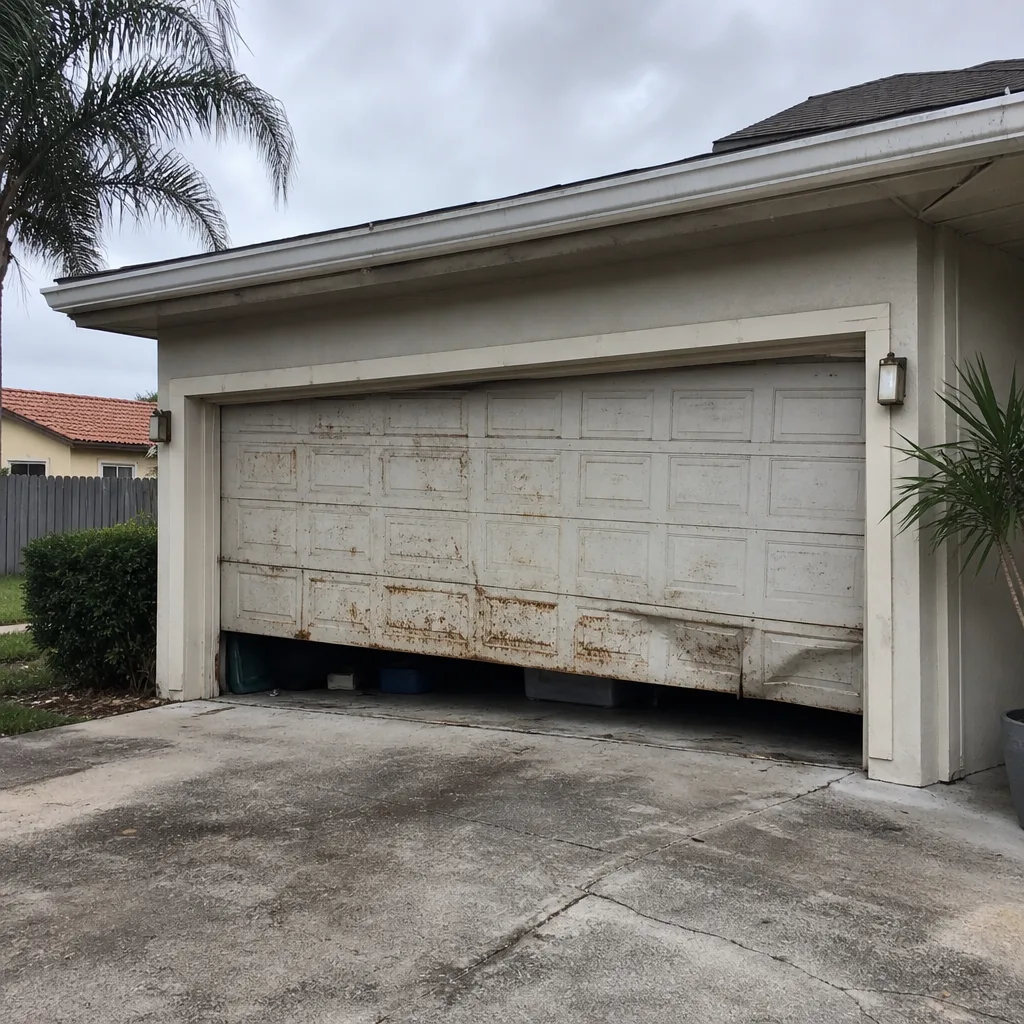 Before
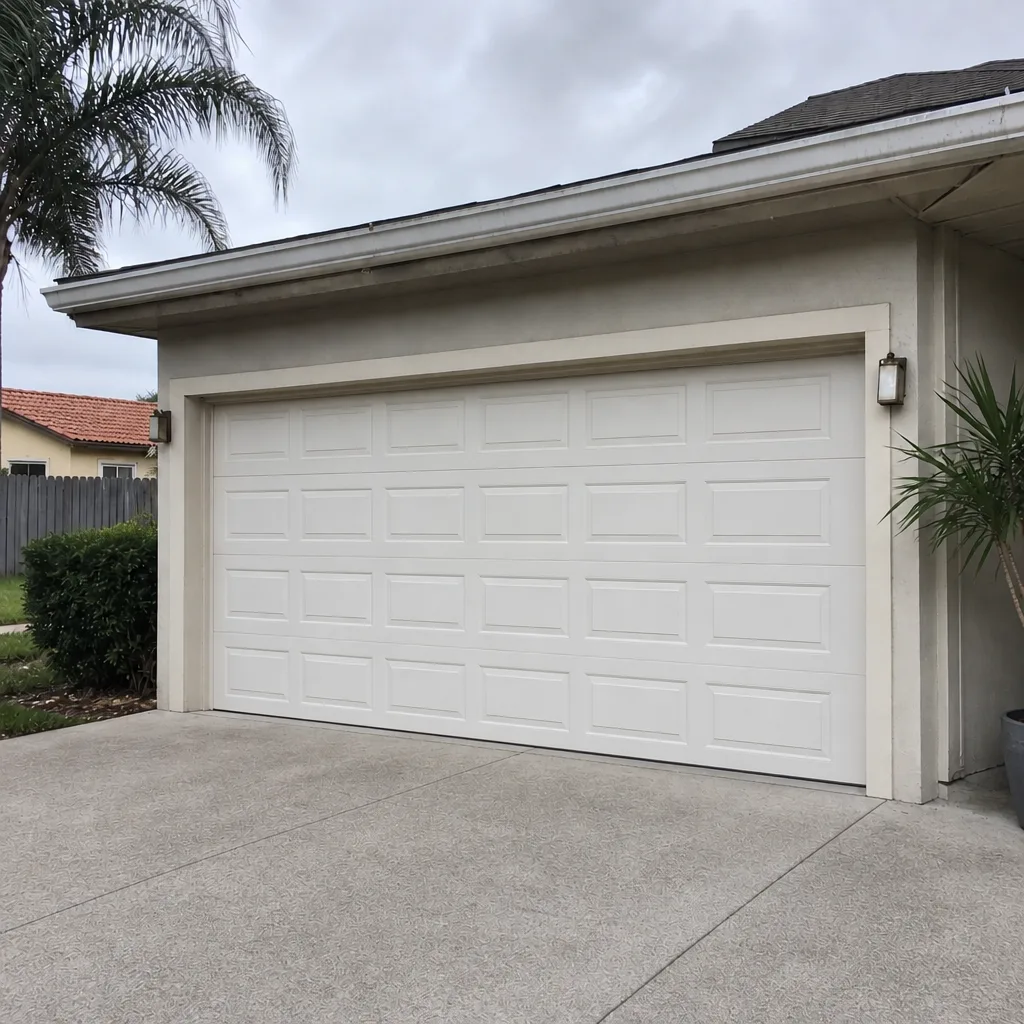 After
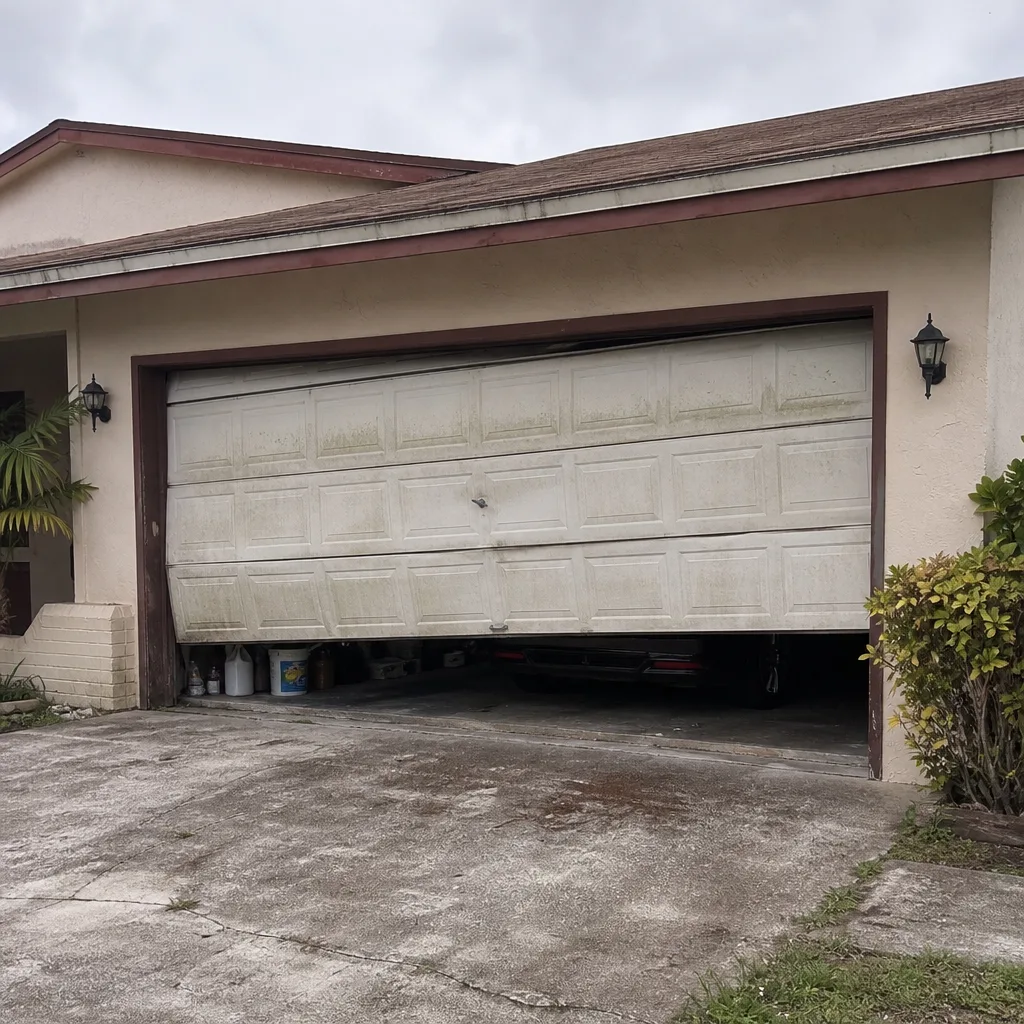 Before
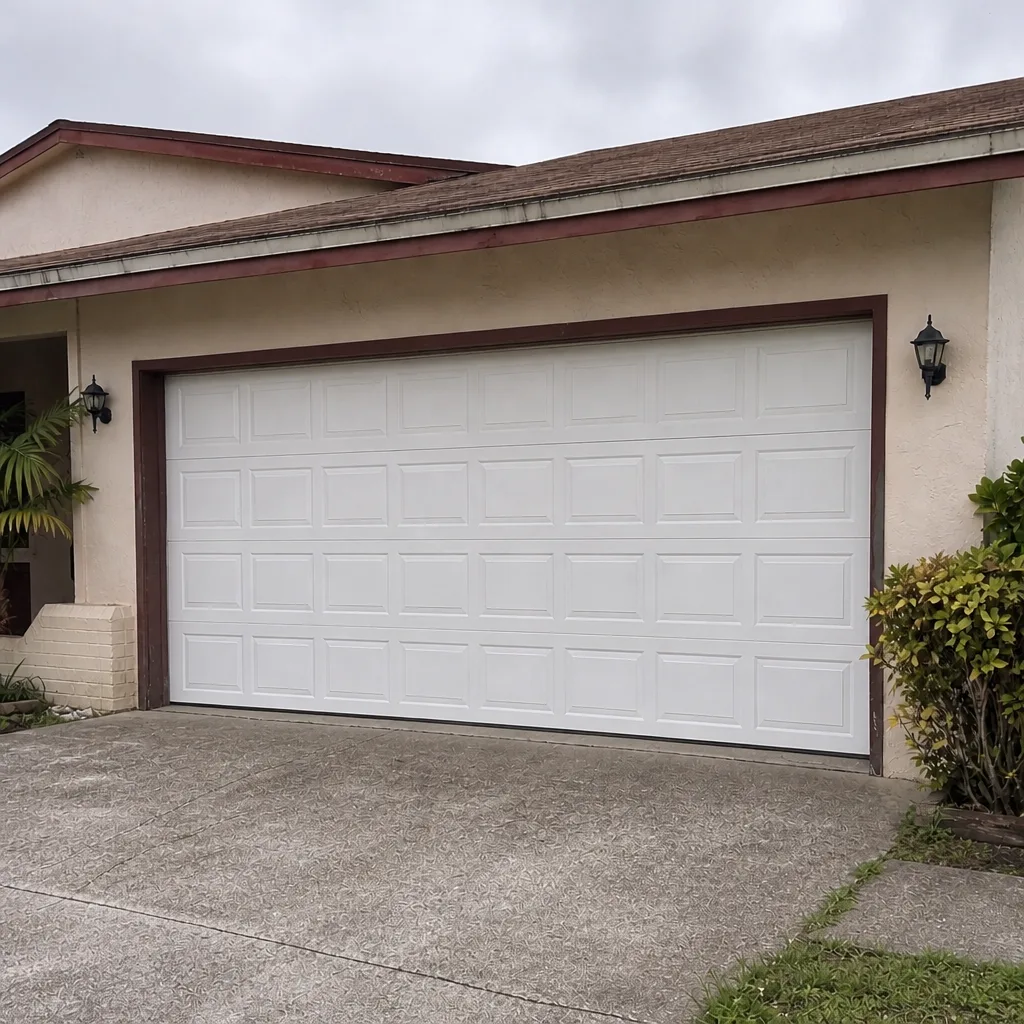 After
When to Call a Professional
Call a professional when the symptom points to the spring assembly, the cables, or the torsion system, when the door won’t stay up on its own, or when it’s come off its track. Those are the repairs where a homeowner’s ladder and a pair of gloves don’t substitute for training and the right tools. Also call when the door fails to close at all, because that’s a security problem as much as a repair. For everyday troubleshooting, we’re happy to talk it through on the phone before you book a visit.
Cutler Bay Garage Door Repair Pros offers free estimates in Cutler Bay and can work with your insurer where that’s relevant. Call (877) 492-2550 for a free estimate and we’ll tell you what the symptom points to and whether it needs a visit.
Frequently Asked Questions
Your safety sensors are misaligned, dirty, or blocked. The photo-eyes on either side of the door tell the opener something is in the way, so it reverses as a safety measure. Wipe the lenses, check that both indicator lights are steady, and clear the path. If the door still reverses, call (877) 492-2550 and a technician can check the sensor wiring and the opener’s travel settings.
A broken spring is replaced, not repaired. Springs fail by design; once the coil breaks, the door has lost its lift, and the only fix is a new spring of the correct size and tension. This is also the most dangerous garage door repair, so it should be handled by a trained technician. Call (877) 492-2550 for a free estimate.
Humidity drives track corrosion and stiffens hinges, so rollers drag and the door shudders or grinds as it moves. Dry or worn rollers, a track that’s out of line, or loose hinges are the usual sources. Lubricating the moving parts helps, but if the sound carries a timing pattern, such as a thump once per cycle, it usually means a roller or hinge needs replacing. Call (877) 492-2550 to have it checked.
Most routine repairs fall in the $150 to $400 range, and a spring replacement is typically $180 to $340 for one spring. A matched pair is usually replaced together, so a pair costs about twice that. The written estimate sets the final price, and the price is quoted and agreed before any work starts. Call (877) 492-2550 for an exact quote; estimates are free.
Often, yes. A door that won’t close is one of our emergency calls, and we dispatch fast between 7am and 7pm. Have the symptom ready when you call, and we’ll tell you whether it’s a visit today or a scheduled repair. Call (877) 492-2550.
We work on the major residential brands, including LiftMaster, Chamberlain, Genie, Clopay, Amarr, Wayne Dalton, Craftsman, and Raynor. That covers both smart, connected openers like LiftMaster’s myQ line and classic openers like Genie and Craftsman. If you’re not sure which you have, the model sticker on the opener or door edge tells us. Call (877) 492-2550 and mention the brand if you know it.
The Bottom Line
The trick to troubleshooting a garage door is matching the symptom to the component instead of guessing. A door that reverses talks to you about sensors and settings. A door that grinds, shudders, or drags talks about rollers, tracks, and hinges. A door that won’t move or opens crooked talks about the springs, and that conversation stops there. Do the two safe checks, keep your hands off the torsion system and the cables, and note what you saw before you call, because good notes shorten the visit. A specialist who works on your exact brand, from Genie to Clopay, will confirm the cause first and give you a written price before any work starts. Your garage door is your home’s largest moving part, and Cutler Bay’s warm, humid air is working on it year-round. Treat the first odd sound as a signal, not a background noise, and the repair stays small.
Need help diagnosing a door that won’t behave? Cutler Bay Garage Door Repair Pros handles repair, springs, openers, new doors, and emergency calls, all from one specialist. One call, one specialist, from broken spring to brand-new door. Call (877) 492-2550 for a free estimate.
Written by the team at Cutler Bay Garage Door Repair Pros.