Last updated November 22, 2026
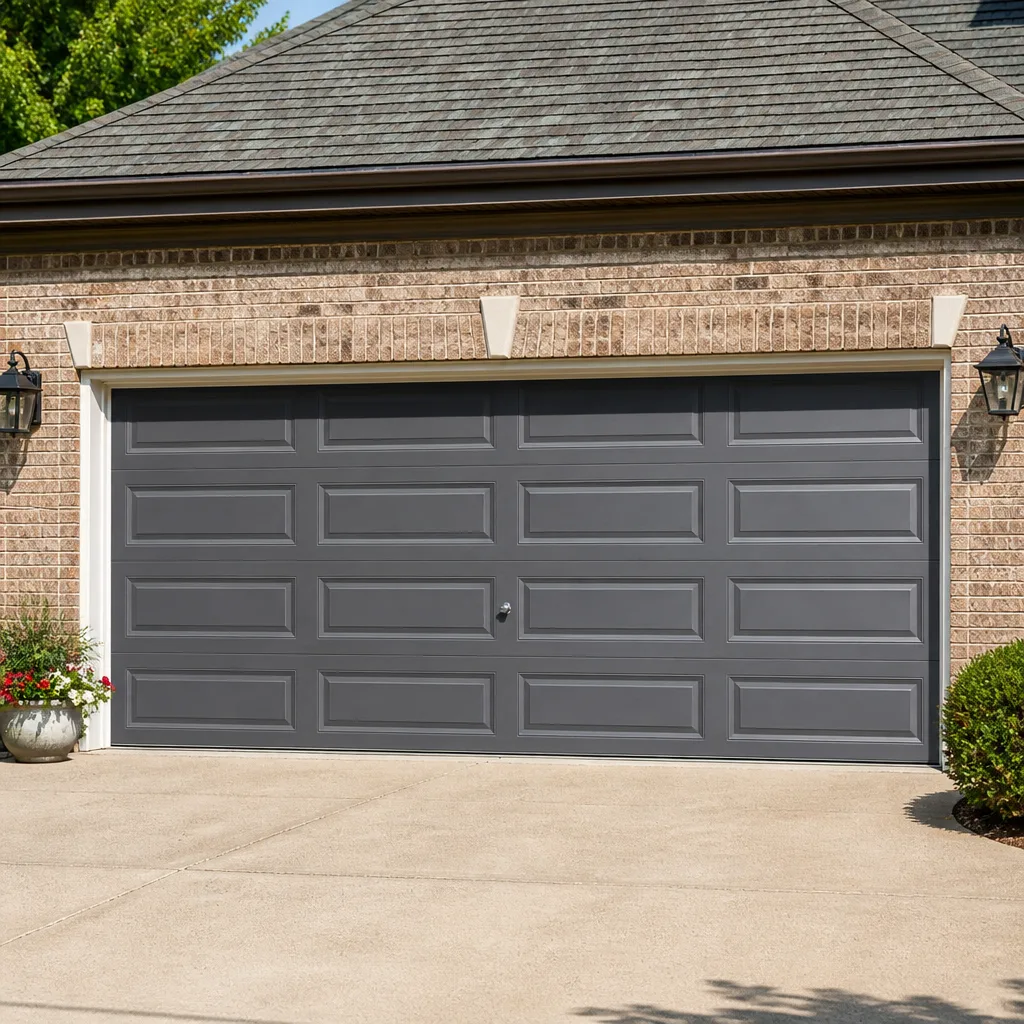 Raised-panel steel
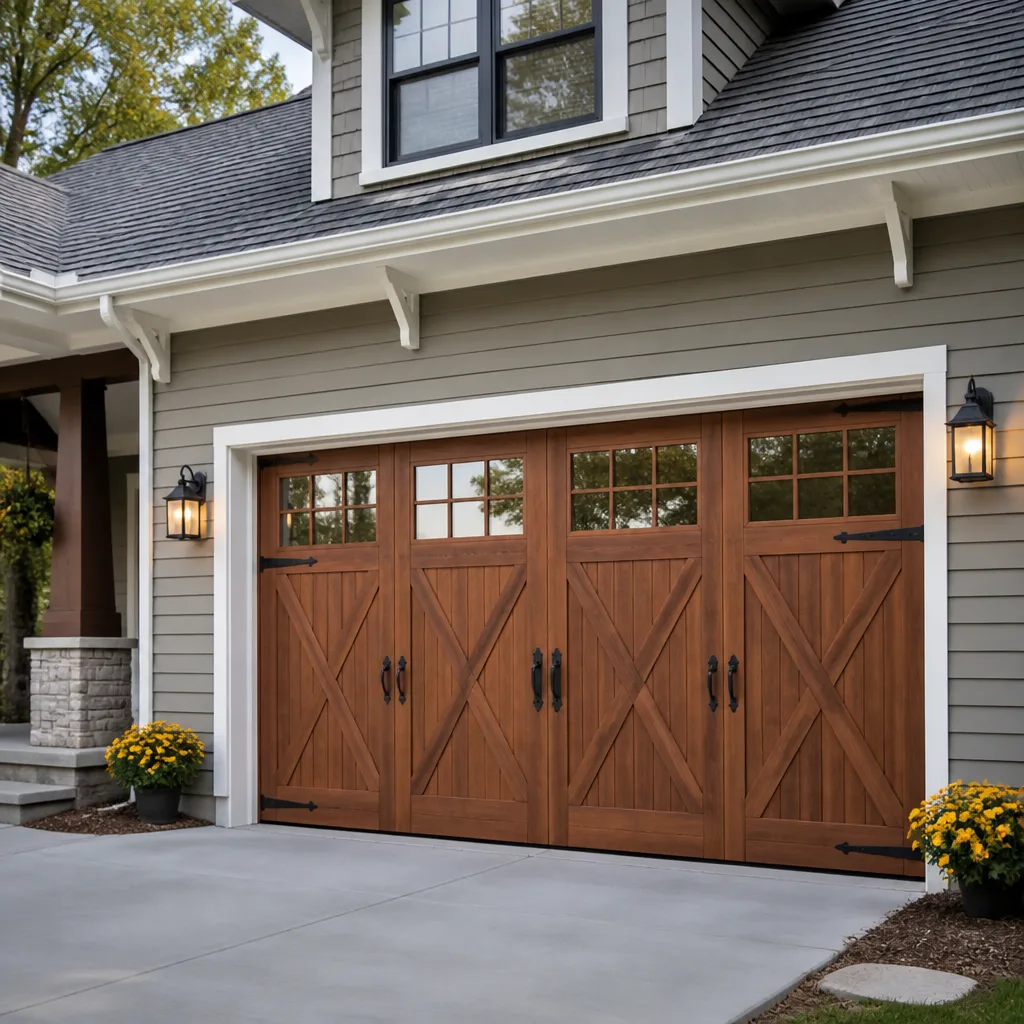 Carriage house
 Modern flush
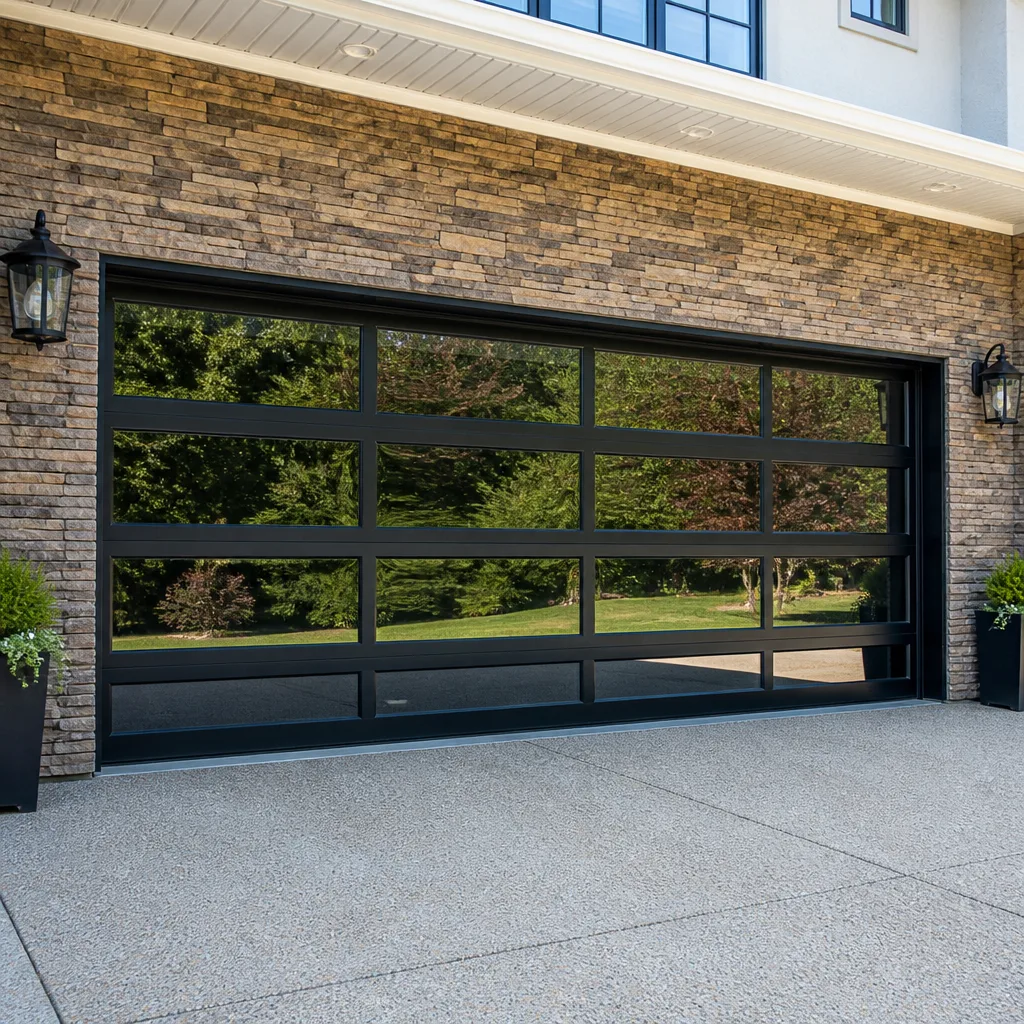 Full-view glass
 LiftMaster openers
 Chamberlain openers
Full 25-point door and opener safety check with every visit - springs, cables, rollers, tracks, and your LiftMaster or Chamberlain opener included
You get a price before we start. It does not change when the pro arrives.
Get your free estimateGarage Door Repair Maintenance Schedule: What to Do and When
The standard advice says lubricate your garage door springs every six months. In Cutler Bay’s humidity, waiting that long can let a spring wear faster than it should. Our hot, wet, storm-prone conditions put different demands on hinges, cables, rollers and openers than a national maintenance guide assumes. A schedule built for a mild four-season climate leaves gaps here. This guide lays out a month-by-month maintenance calendar tuned to Cutler Bay: what to check in May before hurricane season, what to look at after a storm passes, which parts degrade fastest in our damp air, and where to draw the line between what you can safely handle and what belongs with a trained technician.
Quick Answer
The right maintenance schedule for a Cutler Bay garage door runs on a monthly, quarterly, and annual rhythm: a quick visual and balance check every month, lubrication and hardware tightening every three months given our year-round humidity, and a full professional inspection once a year. Add two extra checkpoints that national guides skip: a thorough hardware and manual-release test in May before hurricane season, and a track-alignment and cable inspection after any tropical system passes. Springs, cables and the bottom bracket stay off your DIY list. Everything above the door, on your side of the tracks, is fair game.
Styles & brands we work with
- Raised-panel steel
- Carriage house
- Modern flush
- Full-view glass
- LiftMaster openers
- Chamberlain openers
Table of Contents
- Why a Cutler Bay Garage Door Needs Its Own Maintenance Calendar
- The Monthly Check: Five Minutes That Catch Problems Early
- The Quarterly Routine: Lubrication Done Right in Florida Heat
- The May Pre-Hurricane Checklist
- After the Storm: A Post-Weather Inspection Protocol
- Corrosion Timeline: What Degrades First in Cutler Bay
- What You Can Safely Do vs. What Needs a Technician
- The Annual Professional Inspection
Why a Cutler Bay Garage Door Needs Its Own Maintenance Calendar
Generic garage door advice is written for average conditions. Cutler Bay doesn’t have average conditions. The air is warm and humid most of the year, the humidity pushes metal toward oxidation, and hurricane season adds wind-pressure events that most homeowners in drier climates never deal with. When a national guide says lubricate twice a year, that timing was set for cooler, drier air. Here, the same door cycles through humidity swings that push grease to break down faster and bare metal to start pitting sooner.
There’s a second factor: use. Garages in Cutler Bay often serve as the main entry point to the home, so a door can run up and down a dozen times a day. Every cycle wears the springs a little, wears the rollers, and asks a bit more of the opener. That steady use adds up faster than it would on a door that opens once each morning.
What we see in our work here is that the homeowners who get the longest life out of a door are the ones who check it on a schedule instead of waiting for something to break. The calendar below is our take on what a door in this climate actually needs. It’s the same rhythm we bring to Cutler Bay Garage Door Repair Pros service calls, and it’s what we’d tell a friend to follow between visits.
One more point: our mild winters mean fewer sharp seasonal shifts, but the long humid stretch is the real stressor. That’s why the heaviest activity on this calendar lands in late spring and throughout the wet months, not in a “winterize” push.
The Monthly Check: Five Minutes That Catch Problems Early
Once a month, walk out to the door, open and close it a few times, and watch and listen. This is the highest-value five minutes on the whole calendar because most failures announce themselves well before they happen. You’re looking for what’s changed since last month.
- Listen to the cycle. A door that runs smoothly is quiet and steady. Grinding, squealing or a rhythmic thump signals a worn roller, a dry hinge or a binding track. Note which part makes the noise.
- Watch the balance. The door should rise and fall evenly, with no lurching. If one side lifts before the other, the door is out of balance and the springs or cables need a look.
- Look at the springs. Above the horizontal tracks, a torsion spring is a coiled metal bar. A visible gap in the coil means a broken spring. Never touch it. Call us for garage door spring repair.
- Check the rollers. Worn rollers slosh in their hinges. If a roller looks chipped or sits crooked, it’s time to replace the set.
- Test the safety reverse. Place a roll of paper towels or a brick in the door’s path and close it. The door should reverse on contact. If it keeps pressing down, stop using the door and call a technician.
- Glance at the tracks. They should run straight and parallel. Dents or bends from a bumped car matter.
Do this monthly and you’ll spot trouble while it’s still a small, inexpensive fix rather than a full breakdown.
The Quarterly Routine: Lubrication Done Right in Florida Heat
Lubrication is where most homeowners do the wrong thing for the right reason. The instinct is to grab the can of WD-40 from the garage shelf. Please don’t. Standard WD-40 is a penetrant and solvent, not a lubricant. It cleans and displaces moisture, then evaporates, leaving hinges and rollers drier than before. In Cutler Bay’s heat, that evaporation happens fast, and you end up with a squeaky door a week later and gummed-up residue in the hinges.
What works in this climate is a product that clings and stays put when the air is warm and humid. A silicone-based or white lithium grease formula holds up well. Light machine oil is another option for hinges. Here’s the quarterly order:
- Clean first. Wipe dirt and old grease off the hinges, rollers and spring winding areas with a clean rag. Grit trapped in grease wears metal.
- Lubricate the moving joints. A silicone spray or lithium grease on the hinges, the roller stems and the bearings. A little goes a long way.
- Leave the tracks alone on the metal side. Don’t grease the rolling surface of the track. That attracts dust and grime and makes rollers slide instead of roll. A light wipe with a damp cloth is enough.
- Spray the spring sparingly. A light coat on a torsion spring helps resist rust, but only if it isn’t caked. Wipe off excess.
- Wipe the opener rail. On a chain or belt drive, a thin film of lubricant on the rail keeps the trolley moving quietly.
Three to four times a year is the rhythm in Cutler Bay. Skip the “twice a year is plenty” advice you’ll read elsewhere. The humidity here doesn’t give you the luxury of a longer interval. If the opener itself is the part acting up, that’s a separate job covered by our garage door opener repair service.
The May Pre-Hurricane Checklist
May is when Cutler Bay homeowners start thinking about storm season, and it’s the right time to walk the whole door with a critical eye. Do this before any storm is on the radar. Once tropical weather is approaching, you don’t want to be testing hardware with the wind already rising. Test the manual release now, on a calm day, when you can figure out how it works with time to spare.
- Torque the hardware. With a socket wrench, check that the bolts holding the hinges to the panels and the brackets to the wall are snug. Vibration loosens them over a season. A firm snug is right. Don’t overtighten and strip the hole.
- Inspect the cables. Look along each steel cable for frayed strands, kinks or rust. A cable that’s starting to fray is a failure waiting to happen, and it’s not something to work on yourself. Note it and call a technician.
- Test the manual release. Pull the red release handle (or the cord on a torsion setup) and lift the door by hand. It should move with steady effort and stay up on its own. If it drops or feels like dead weight, the balance is off and the springs need checking before storm season. Re-engage the opener by running it.
- Clear the tracks. Debris and grit reduce smooth operation. Wipe the tracks clean.
- Check the bottom seal. A worn seal lets water and wind-driven rain under the door. Replace a cracked seal before the wet months.
- Confirm the opener’s battery backup. Many modern openers, including LiftMaster and Chamberlain units, include a battery backup that keeps the door operable if the power goes out. Check that the battery is charged and holding.
This May pass is the single most useful thing you can do all year in a storm-prone climate. It’s also a good time to book a professional look, in case you want trained eyes on the springs and cables before the season.
After the Storm: A Post-Weather Inspection Protocol
Once a tropical system has passed through Cutler Bay, the door deserves a careful look before you go back to normal use. High wind creates a pressure difference across the door, and even if nothing looks obviously damaged, the force can knock the door out of alignment. The door may still open, but it could be binding in a way that will grind down the rollers and strain the opener over time.
- Look at the tracks first. A wind event can bend or shift a track. Stand back and sight down each vertical and horizontal track. It should look like a straight, parallel channel. A visible bend means the door is at risk of coming off track. Stop using it and call us.
- Check the panels. Run your hand (not under the door) along the panels for dents or buckling. A buckled panel often means the door’s structure took a hit.
- Watch the balance again. Run the door once and see if it travels evenly. Any lurch or hesitation means the springs or alignment need a look.
- Inspect the weather seal and bottom bracket. Wind-driven rain and debris can work their way under the door. Check that the bottom seal is intact and the bottom bracket hardware is still tight.
- Test the safety reverse as you would in a monthly check, then listen for new noises on the next few cycles.
If anything looks off, hold off on cycling the door repeatedly. A misaligned track can turn a repairable issue into a bent panel. When the door won’t move smoothly after a storm, that’s an emergency garage door situation worth a call rather than a wait-and-see.
Corrosion Timeline: What Degrades First in Cutler Bay
Humidity is the quiet wear factor on a garage door. In Cutler Bay’s warm, damp air, bare metal oxidizes faster than in a dry climate, and the parts that rust first are the ones you’d expect: the small hardware, the fasteners and the steel components. Knowing the order of degradation helps you focus your inspections where they matter. Here’s roughly how the parts tend to go:
- Hinges and hinge bolts. Small steel hinges take the most moisture exposure and show surface rust early. A light coat of grease keeps them working and slows the rust.
- Bottom bracket bolts. The bracket at the base of each side of the door sits near the ground, where moisture collects. These bolts loosen and rust fastest. Under-inspected, they’re also a high-risk part, so leave the inspection and any replacement to a technician.
- Springs. Torsion and extension springs are under constant tension and exposed to the damp air. A spring that shows rust or pitting is closer to failure. Don’t touch it. Rusted springs are one of the most common reasons a door stops working in Cutler Bay.
- Cables. The steel cables run under tension. Surface rust weakens the strands over time, so they should be part of every inspection.
- Rollers and roller stems. These wear down from use and get stiff from dirt and moisture. Worn rollers make the door noisy and hard to move.
- Panels and finish. The painted panels themselves hold up well, but scratched or chipped paint lets moisture reach the steel underneath. Touching up chips is a cheap defense.
Where you live within Cutler Bay matters less than how the door is maintained, but the general rule holds across the community: the closer a door sits to the water and the more shade it gets, the more you want to stay on the quarterly lubrication. A door that runs quietly and moves freely isn’t corroding fast. A door that’s getting stiff is telling you something.
What You Can Safely Do vs. What Needs a Technician
The clearest way to keep anything from falling through the cracks is to draw a hard line between homeowner-safe tasks and technician-only work. Most garage door injuries come from well-meaning homeowners tackling the parts under high tension. A garage door is your home’s largest moving part, and the springs and cables hold hundreds of pounds of force. Here’s the split we recommend:
Safe for you, any quarter
- Visual walk-through and photo of the door for a before-and-after record
- Wiping the tracks clean and checking they run straight
- Lubricating hinges, rollers and the opener rail with silicone or lithium grease
- Testing the safety reverse with a brick or roll of paper towels
- Testing the manual release on a calm day before storm season
- Tightening visible hinge and bracket bolts to a firm snug
- Replacing the opener’s battery backup and cleaning the photo-eye lenses
Technician only, no exceptions
- Spring repair or replacement of any kind, whether torsion or extension
- Cable inspection, replacement or re-tensioning
- Bottom bracket repair
- Track realignment when the door has come off track
- Opener motor, gear or circuit board repair
- Panel replacement on a damaged or buckled door
The reason for the hard line is simple: springs and cables store energy, and releasing it wrong can cause serious injury. A real expert flags that danger every time. Our trained technicians carry the tools and know the safe sequence, which is why spring work is a core specialty for us rather than an afterthought. If a part on the technician side looks wrong, call us. We’d rather look at it early than have you take a risk.
The Annual Professional Inspection
Once a year, a technician should put trained eyes on the parts homeowners can’t safely assess. This is the checkpoint that catches slow wear before it becomes a breakdown, and it’s worth scheduling alongside your May pre-hurricane pass if you can. A proper inspection covers:
- Spring tension and condition. A technician measures the remaining tension and looks for pitting or rust that signals an aging spring.
- Cables and bottom brackets. A close look at the steel cables for fraying and the brackets for tightness and rust, done with the tension released safely.
- Door balance and travel. Testing how evenly the door runs and whether the opener’s limits are set right.
- Opener operation. Checking the force settings, the safety reverse and the photo-eye alignment. A technician familiar with LiftMaster, Chamberlain, Genie and Raynor systems knows what a healthy cycle should sound like on each.
- Hardware and rollers. A full pass on hinges, rollers and fasteners, with any worn parts replaced on the spot.
- Panel and seal condition. Checking that the door is weather-tight going into storm season.
Our technicians have up to 14 years of experience across these systems, and a yearly visit is how you get ahead of the surprises. For a door that’s aging, an inspection might also surface that a new door is the smarter spend, which is where our garage door installation work starts. A written quote from a professional inspection tells you exactly what needs attention and what can wait, and the price is agreed before any work begins.
Common Mistakes to Avoid
- Lubricating on the national twice-a-year schedule. Cutler Bay’s humidity breaks grease down faster, so a longer interval leaves hinges and rollers dry. Stay on the quarterly rhythm.
- Using WD-40 as a lubricant. It’s a solvent and penetrant that evaporates and leaves parts drier. Choose a silicone or lithium grease formula instead.
- Greasing the rolling surface of the tracks. It attracts grit and makes rollers slide instead of roll. Wipe tracks clean and leave them dry.
- Ignoring the May pre-hurricane pass. Testing the manual release during a storm is the wrong time. Do it in May, on a calm day.
- Continuing to use the door after a storm without checking the tracks. A bent track grinds the rollers and strains the opener. A quick alignment look prevents a bigger repair.
- DIY spring work. Springs and cables store deadly force. Never touch a torsion or extension spring. That’s technician work.
- Skipping the annual inspection because the door “seems fine.” Slow wear on springs and cables is invisible until it fails. The yearly visit catches it while it’s still small.
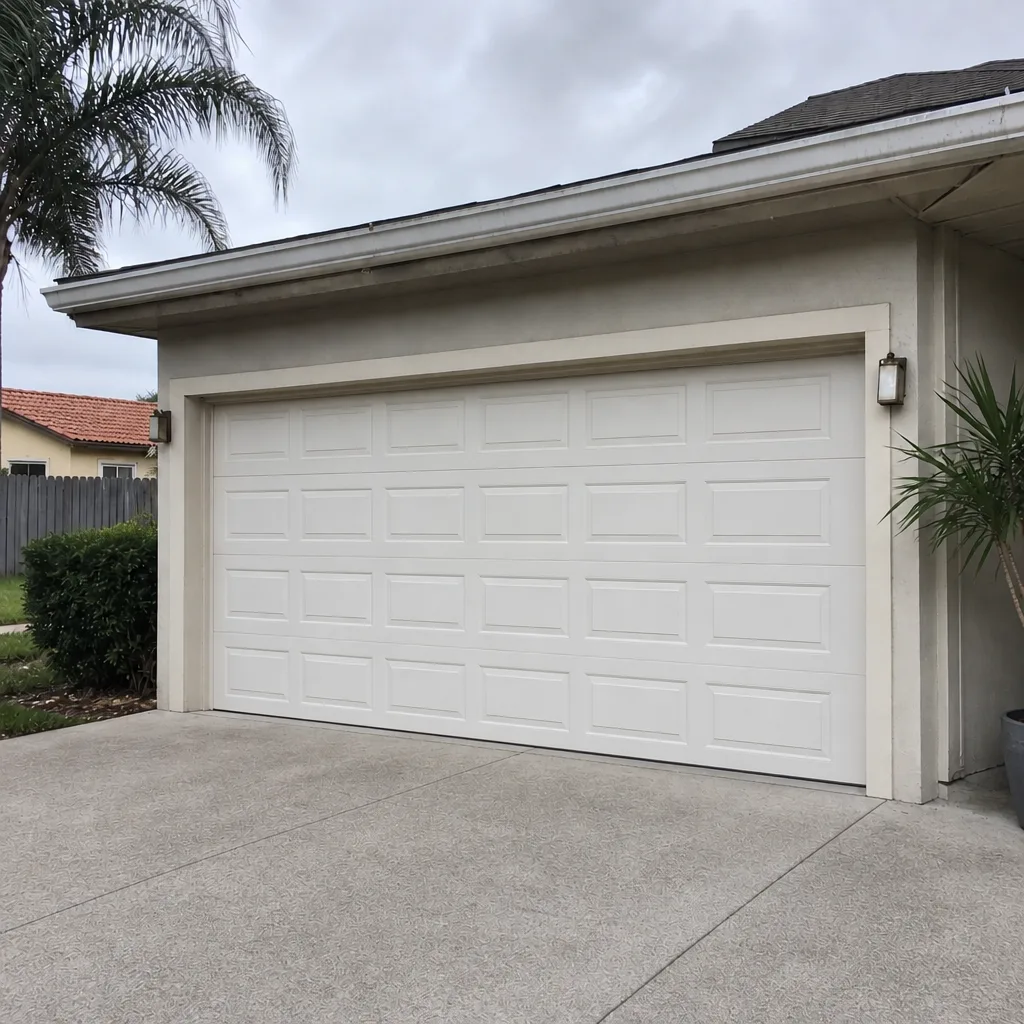
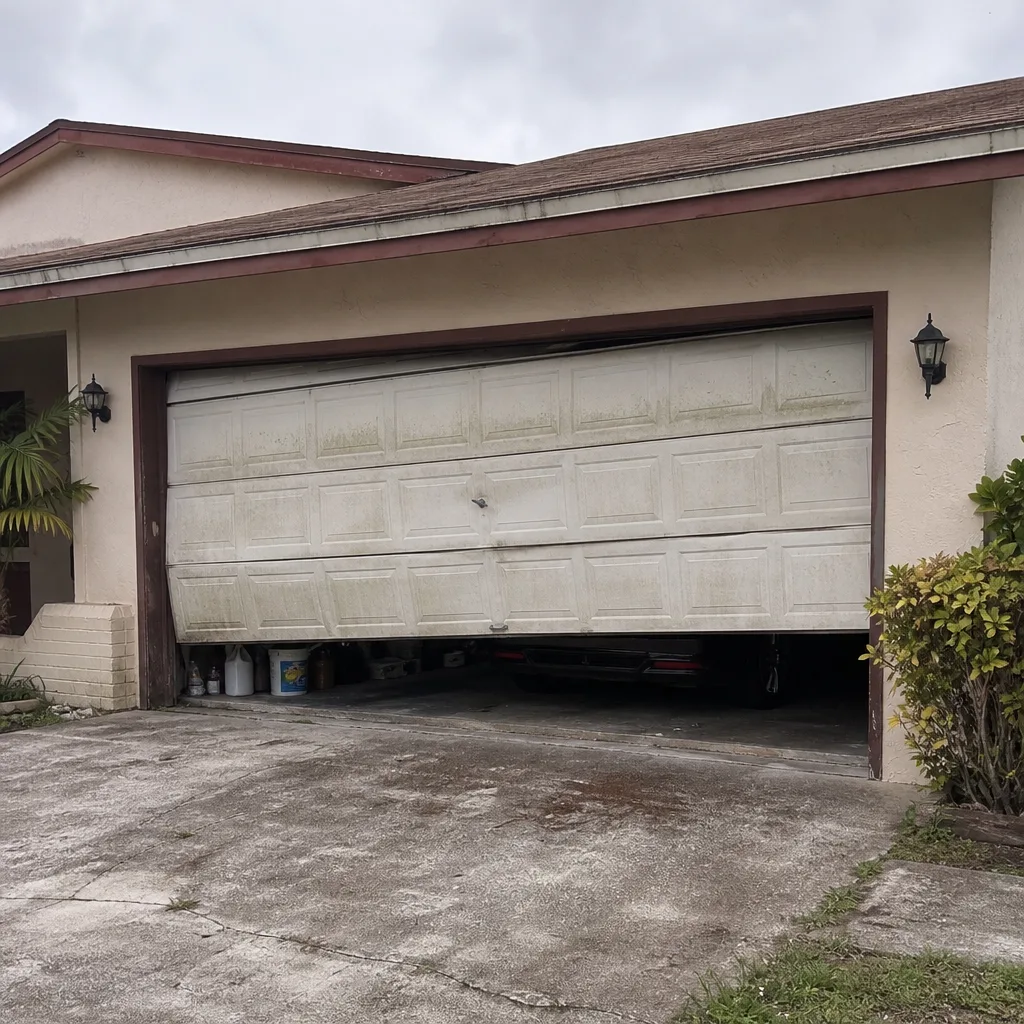
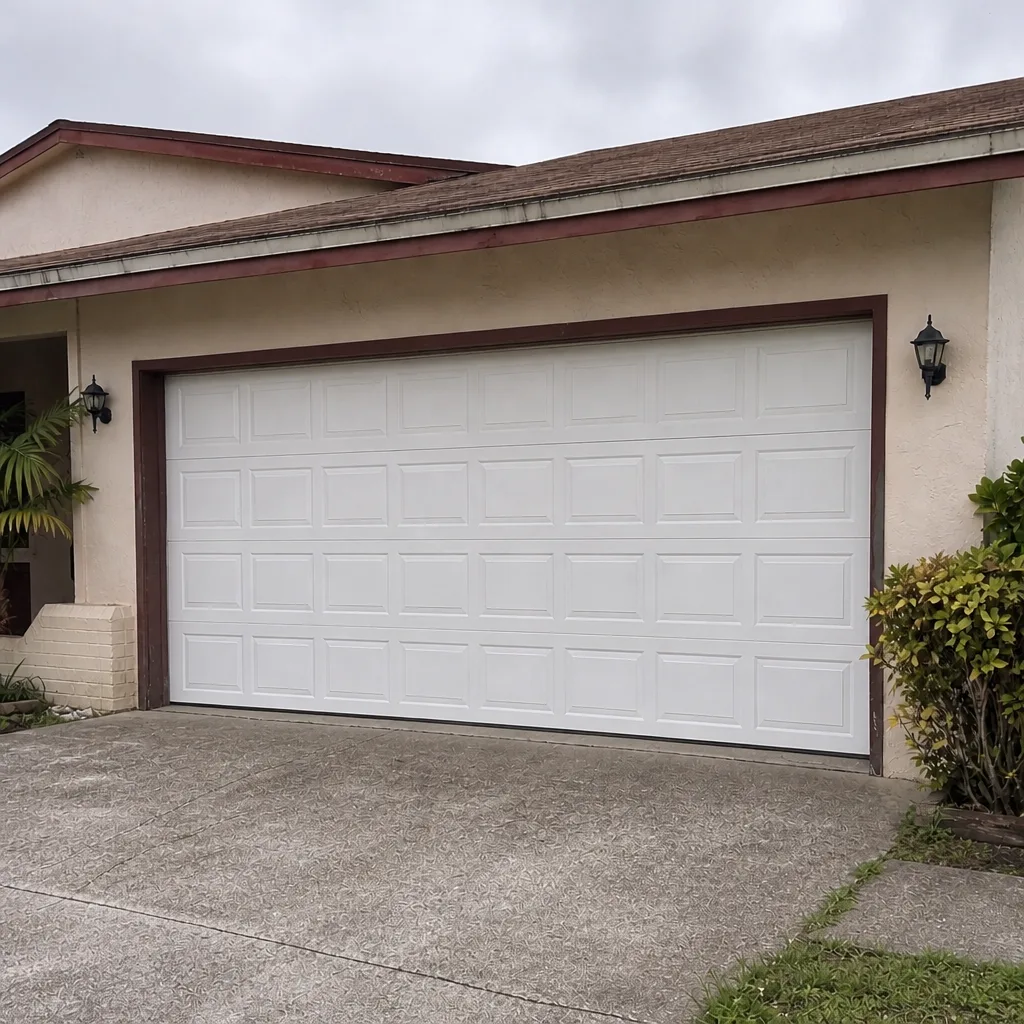
See the difference
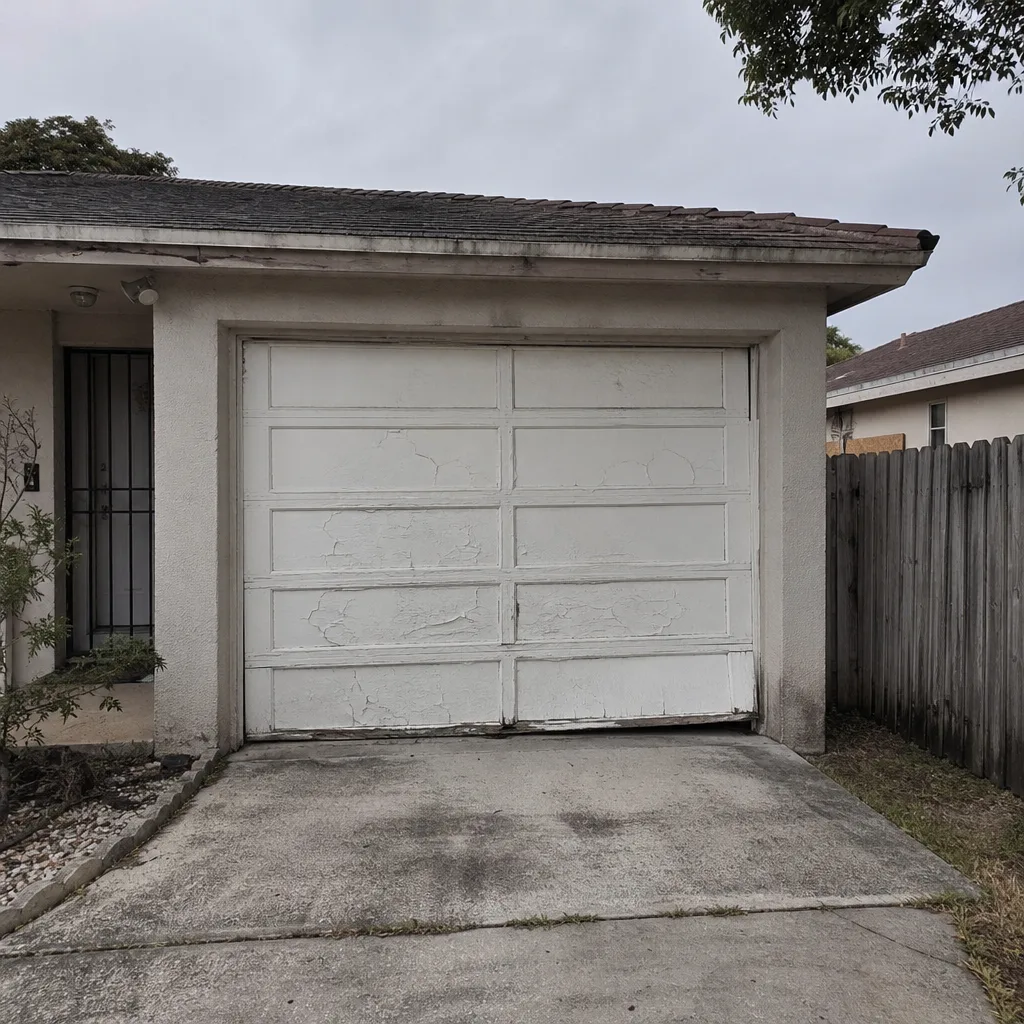 Before
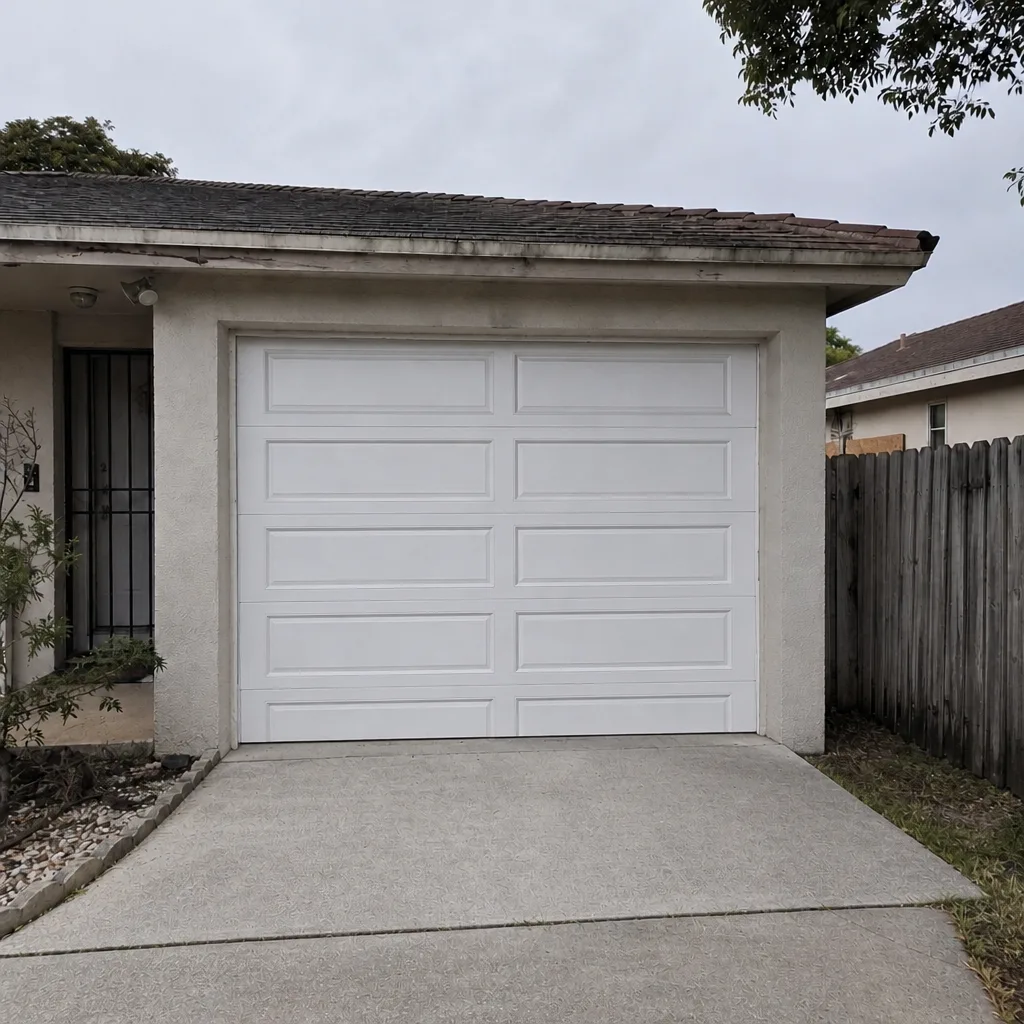 After
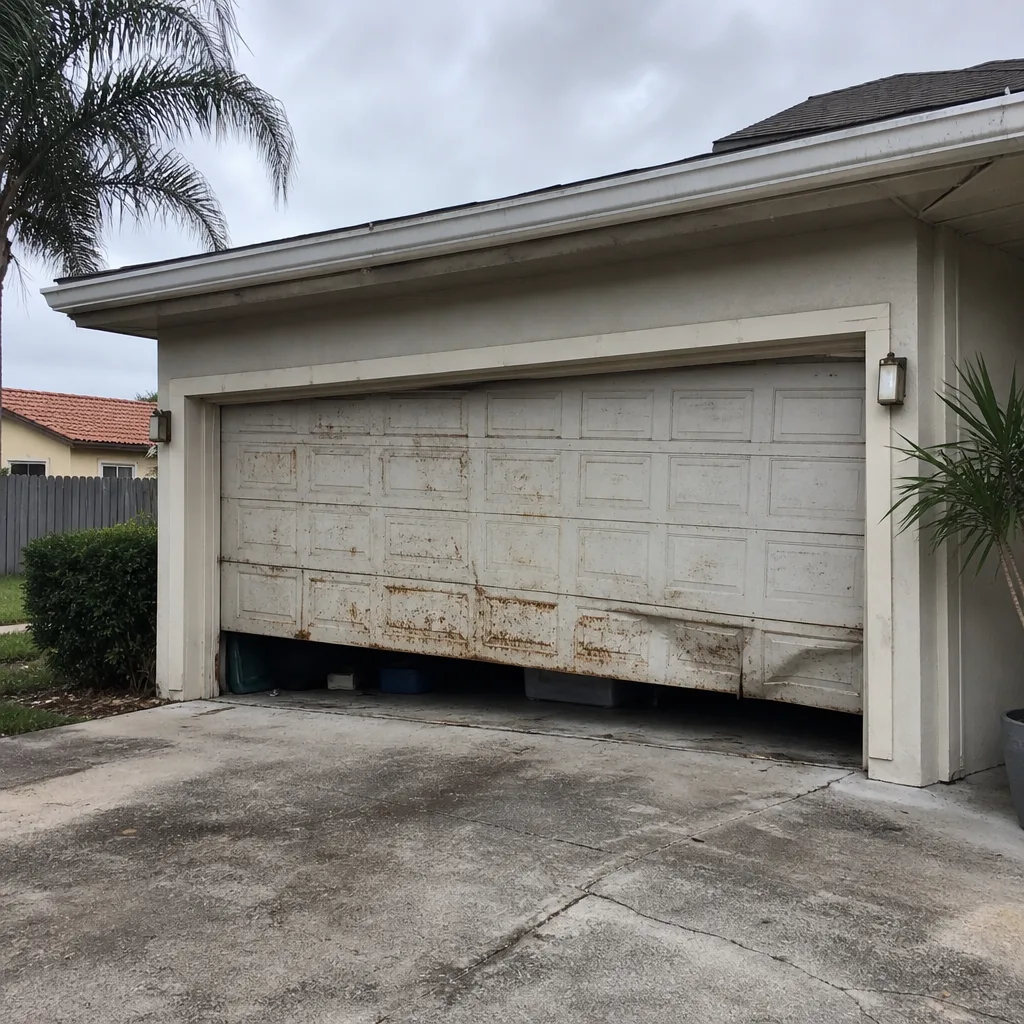 Before
 After
 Before
 After
When to Call a Professional
Some jobs belong with a trained technician, no matter how handy you are. Call us if a spring has snapped (a visible gap in the coil), if a cable looks frayed or kinked, if the door has come off its tracks, or if the door won’t stay up on its own. A grinding opener, a door that reverses for no reason, or one side lifting before the other all point to a professional repair. If the door won’t open at all and you can’t wait, that’s our garage door repair emergency service. When the door won’t move, we move fast. Cutler Bay Garage Door Repair Pros offers free estimates in Cutler Bay. Call (877) 492-2550 to book a visit, and the price is quoted and agreed before any work starts.
Frequently Asked Questions
Every three to four months, not twice a year. Cutler Bay’s warm, humid air dries out grease faster than a cooler climate would, so the national “twice a year” advice leaves hinges and rollers under-lubricated. Use silicone spray or white lithium grease, wipe off old residue first, and skip the rolling surface of the tracks.
A thorough hardware, cable and manual-release test in May, before any storm is on the radar. Torque the hinge and bracket bolts, inspect the cables for frayed strands, test that the door lifts and stays up on the manual release, wipe the tracks clean and confirm the opener’s battery backup holds a charge. If the door feels like dead weight on the manual release, the balance is off and the springs need a professional look.
No. Spring replacement is the most hazardous garage door repair there is, because torsion and extension springs store enormous tension. Releasing that force the wrong way can cause serious injury. Leave it to a trained technician. Our spring repair is a core service for exactly this reason.
A single broken part, a worn roller or a stubborn opener usually means repair, while a heavily rusted or bent door, or one that keeps failing, can point toward a new door. A professional inspection tells you which. If the frame and structure are sound, repair is often the smarter spend, and a new installation from Clopay, Amarr, Wayne Dalton or Raynor can replace a door that’s past saving, with the price quoted in writing first.
Often a broken spring or a disconnected manual release. If the opener runs but the door stays put, check whether the red release handle was left pulled. If it’s engaged and the door still won’t move, a broken spring or seized roller is the likely cause. Don’t keep running the opener; call a technician.
We work on the most widely installed brands, including LiftMaster, Chamberlain, Genie and Raynor. That covers both smart, Wi-Fi-enabled openers and older conventional units. If your opener is on a different brand, call us and we’ll tell you what we can do.
The Bottom Line
A garage door in Cutler Bay does best on a schedule that matches our climate, not the generic twice-a-year advice. Check the door monthly for noise and balance, lubricate with silicone or lithium grease every three to four months, do a full hardware, cable and manual-release pass in May before hurricane season, and inspect the tracks and panels after any storm. Keep springs, cables and the bottom bracket strictly in the technician’s hands. Draw that line clearly, book an annual professional inspection, and the door will run quieter and last longer between surprises. When something sounds wrong, call (877) 492-2550 for a free estimate, and the price is quoted and agreed before any work starts.
Written by the team at Cutler Bay Garage Door Repair Pros.